Hey there! As a beverage bottle supplier, I've seen my fair share of issues when it comes to bottle maintenance. One of the most common problems that both consumers and businesses face is mold growth in beverage bottles. It's not only unappealing but can also pose health risks. So, in this blog, I'm gonna share some tips on how to prevent beverage bottles from getting moldy.
Understanding Why Mold Grows in Beverage Bottles
First things first, let's talk about why mold loves to grow in beverage bottles. Mold thrives in warm, moist, and dark environments, and a dirty beverage bottle can be the perfect breeding ground. When there are leftover beverage residues inside the bottle, especially sugary drinks like juice or soda, it provides a food source for mold. Plus, if the bottle isn't dried properly after washing, the moisture can encourage mold to grow.
Regular Cleaning is Key
The most important step in preventing mold growth is regular cleaning. You should clean your beverage bottles after each use. Here's a simple cleaning routine that you can follow:
- Rinse Immediately: As soon as you finish your drink, give the bottle a quick rinse with warm water. This helps to remove most of the beverage residues.
- Use Dish Soap: Fill the bottle with warm water and add a few drops of mild dish soap. Use a bottle brush to scrub the inside of the bottle, including the cap and the neck. Make sure to reach all the corners and crevices.
- Rinse Thoroughly: After scrubbing, rinse the bottle several times with clean water to remove all the soap. You don't want any soap residue left in the bottle as it can affect the taste of your next drink.
- Dry Completely: Let the bottle air dry upside down on a drying rack. Make sure it's completely dry before you store it or use it again. You can also use a clean towel to dry the inside of the bottle, but make sure the towel is clean and dry to avoid introducing more moisture.
Choose the Right Bottle
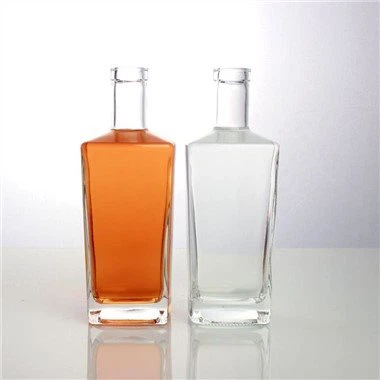
The type of bottle you use can also affect mold growth. At our company, we offer a variety of high - quality beverage bottles, such as the Glass Milk Bottle With Lid. Glass bottles are a great choice because they are non - porous, which means mold is less likely to grow on them compared to plastic bottles. Plastic bottles can have tiny pores where mold can hide and grow.
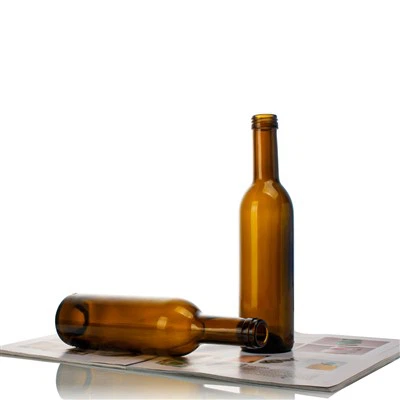
Another option is the 750ml Beverage Bottle With Swing Cap. These bottles are easy to clean and the swing cap design allows for good ventilation, which helps to keep the bottle dry.
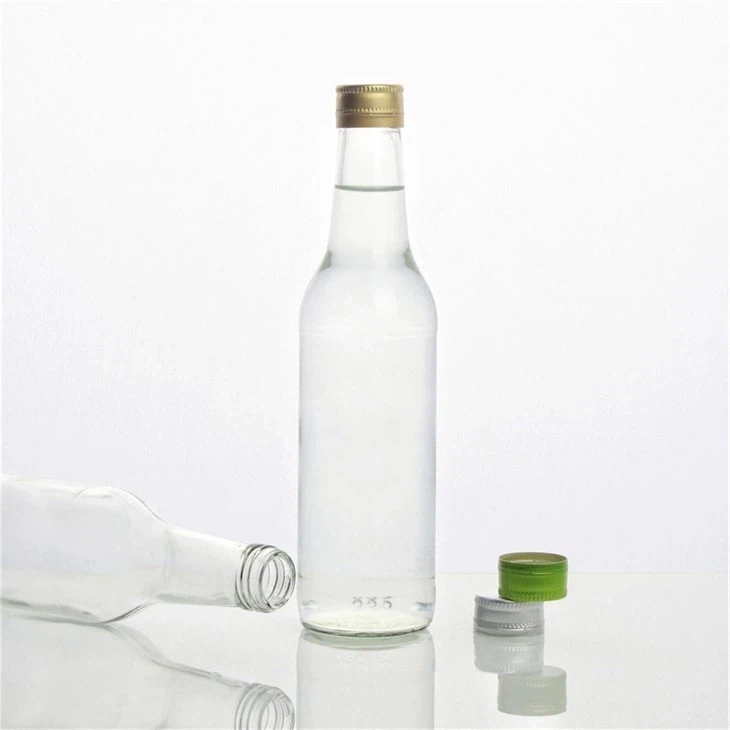
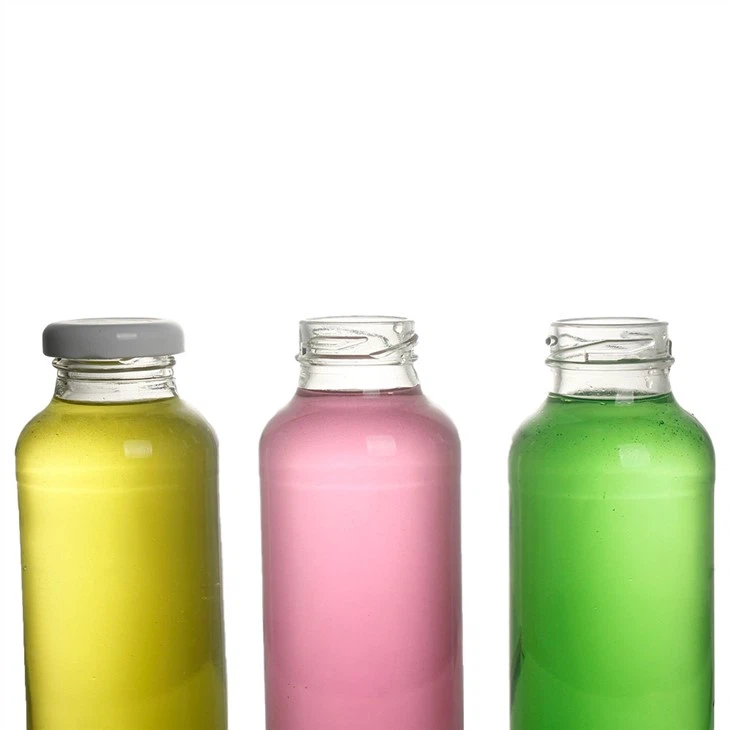
If you're into juice, our 12oz 355ml Juice Glass Bottle is a great pick. It's made of glass, so it's hygienic and resistant to mold.

Proper Storage
How you store your beverage bottles also matters. Here are some storage tips to prevent mold:
- Store in a Dry Place: Keep your bottles in a dry and well - ventilated area. Avoid storing them in damp places like basements or bathrooms, as the high humidity can promote mold growth.
- Don't Stack Wet Bottles: If you have multiple bottles, make sure they are dry before stacking them. Stacking wet bottles can trap moisture and create an ideal environment for mold.
- Keep Caps Off: When storing your bottles, leave the caps off to allow air to circulate inside the bottle. This helps to keep the bottle dry.
Avoid Leaving Beverages in the Bottle for Too Long
Leaving beverages in the bottle for an extended period can increase the risk of mold growth. If you don't finish your drink right away, it's best to transfer it to a refrigerator. Bacteria and mold grow faster at room temperature, so keeping the beverage cold can slow down the growth process.
Use Natural Cleaning Agents
If you prefer to use natural cleaning agents, you can try using vinegar or baking soda. Vinegar has antibacterial and antifungal properties, and baking soda is a great natural cleaner.
- Vinegar Solution: Mix equal parts of water and white vinegar in the bottle. Let it sit for a few hours or overnight. Then, rinse the bottle thoroughly with water.
- Baking Soda Paste: Make a paste by mixing baking soda with a little water. Use the paste to scrub the inside of the bottle with a bottle brush. Rinse well after scrubbing.
Check Your Bottles Regularly
Even if you follow all the above steps, it's still a good idea to check your bottles regularly for any signs of mold. Look for black, green, or white spots inside the bottle or on the cap. If you notice any mold, clean the bottle immediately using the methods mentioned above. If the mold is stubborn and won't come off, it might be time to replace the bottle.
For Businesses
If you're a business that uses beverage bottles, such as a juice bar or a coffee shop, it's crucial to have a proper cleaning and maintenance schedule. Train your staff on how to clean the bottles correctly and make sure they follow the procedures consistently.
You can also consider investing in a commercial bottle washer, which can clean a large number of bottles quickly and efficiently. This can help to ensure that all your bottles are clean and free of mold.
Conclusion
Preventing beverage bottles from getting moldy is not that difficult. By following these simple tips, you can keep your bottles clean, hygienic, and mold - free. Whether you're a consumer or a business, taking good care of your beverage bottles is essential for your health and the quality of your drinks.
If you're interested in purchasing high - quality beverage bottles for your personal use or your business, feel free to reach out to us. We're always happy to help you find the right bottles for your needs. Let's start a conversation about your bottle requirements and see how we can work together!
References
- "The Science of Mold Growth." Journal of Environmental Health.
- "Best Practices for Cleaning and Maintaining Beverage Containers." Food and Beverage Industry Magazine.