Hey there, fellow wine enthusiasts! I'm a supplier of Champagne Bottles, and I've been in this business for quite a while. One of the things that always fascinates me is the information on a champagne bottle label. It's like a little storybook that tells you everything you need to know about the bubbly inside. So, let's dive in and explore what kind of information you can find on a champagne bottle label.
Brand and Producer
The first thing you'll notice on a champagne bottle label is the brand name. This is the name that the producer uses to market their champagne. It's like the face of the product, and it can tell you a lot about the quality and style of the champagne. For example, if you see a well-known brand like Moët & Chandon or Veuve Clicquot, you know you're getting a high-quality champagne that's been produced by a reputable company.
Next to the brand name, you'll usually find the name of the producer. This is the company or individual who actually makes the champagne. Some producers have been making champagne for generations, and their expertise and tradition are reflected in the quality of their products. Others are newer to the game, but they may bring innovative techniques and styles to the table.
Vintage or Non-Vintage
One of the most important pieces of information on a champagne bottle label is whether it's a vintage or non-vintage champagne. A vintage champagne is made from grapes that were all harvested in the same year. This means that the flavor and style of the champagne are influenced by the weather conditions and growing season of that particular year. Vintage champagnes are usually more expensive and are considered to be of higher quality because they offer a unique snapshot of a specific year in the vineyard.
On the other hand, a non-vintage champagne is made from a blend of grapes that were harvested in different years. This allows the producer to create a consistent flavor and style from year to year. Non-vintage champagnes are more widely available and are often more affordable than vintage champagnes. They're a great choice if you're looking for a reliable and delicious champagne that you can enjoy on a regular basis.
Grape Varieties
Another important piece of information on a champagne bottle label is the grape varieties used to make the champagne. Champagne is typically made from three main grape varieties: Chardonnay, Pinot Noir, and Pinot Meunier. Each grape variety brings its own unique flavor and characteristics to the champagne.
Chardonnay grapes are known for their crisp acidity, floral aromas, and flavors of citrus and green apple. They add freshness and elegance to the champagne. Pinot Noir grapes are more full-bodied and have flavors of red fruit, such as cherry and raspberry. They add structure and complexity to the champagne. Pinot Meunier grapes are similar to Pinot Noir, but they're a bit lighter and have more floral and spicy notes. They add a touch of sweetness and fruitiness to the champagne.
Some champagnes are made from a single grape variety, while others are blends of two or more grape varieties. The grape variety information on the label can help you choose a champagne that matches your taste preferences. For example, if you prefer a lighter, more refreshing champagne, you might want to look for a champagne made primarily from Chardonnay. If you like a more full-bodied, complex champagne, you might prefer a blend that includes Pinot Noir.
Appellation Contrôlée
The Appellation Contrôlée (AC) is a French certification that indicates that the champagne was produced in accordance with strict regulations. These regulations govern everything from the grape varieties that can be used to the production methods and aging requirements. The AC logo on a champagne bottle label is a guarantee of quality and authenticity.
There are several different appellations in the Champagne region, each with its own specific characteristics and regulations. The most well-known appellation is Champagne itself, which is divided into several sub-appellations, such as Montagne de Reims, Vallée de la Marne, and Côte des Blancs. Each sub-appellation has its own unique soil and climate conditions, which can influence the flavor and style of the champagne.
Alcohol Content and Volume
The alcohol content and volume of the champagne are also listed on the label. The alcohol content is usually expressed as a percentage by volume (ABV), and it can range from around 11% to 13.5% for most champagnes. The volume is usually expressed in milliliters (ml) or liters (l), and the standard size for a champagne bottle is 750 ml.
Knowing the alcohol content and volume of the champagne can help you determine how much to drink and how many bottles to buy for a party or celebration. It's important to drink champagne in moderation, as it's a high-alcohol beverage.
Sweetness Level
The sweetness level of the champagne is another important factor to consider when choosing a champagne. Champagne can range from very dry to very sweet, and the sweetness level is indicated on the label by a term such as Brut, Extra Dry, Sec, Demi-Sec, or Doux.
Brut is the driest style of champagne, with less than 12 grams of residual sugar per liter. It's a popular choice for those who prefer a dry, crisp champagne. Extra Dry is slightly sweeter than Brut, with between 12 and 17 grams of residual sugar per liter. Sec is even sweeter, with between 17 and 32 grams of residual sugar per liter. Demi-Sec is a semi-sweet champagne, with between 32 and 50 grams of residual sugar per liter. Doux is the sweetest style of champagne, with more than 50 grams of residual sugar per liter.
The sweetness level of the champagne can affect its flavor and how it pairs with food. For example, a Brut champagne is a great choice to pair with seafood or appetizers, while a Demi-Sec or Doux champagne is better suited for desserts.
Tasting Notes and Recommendations
Some champagne bottle labels also include tasting notes and recommendations. These can provide valuable information about the flavor, aroma, and mouthfeel of the champagne, as well as suggestions for food pairings. Tasting notes can help you get a better idea of what to expect from the champagne and can make it easier to choose a champagne that matches your taste preferences.
Special Features and Designations
In addition to the basic information mentioned above, some champagne bottle labels may also include special features and designations. For example, some champagnes are labeled as "Blanc de Blancs," which means they're made from 100% Chardonnay grapes. Blanc de Blancs champagnes are known for their elegance and freshness.
Other champagnes may be labeled as "Blanc de Noirs," which means they're made from 100% Pinot Noir or Pinot Meunier grapes. Blanc de Noirs champagnes are usually more full-bodied and have more fruit flavors.
Some champagnes may also be labeled as "Rosé," which means they have a pink color and a slightly different flavor profile. Rosé champagnes are made by adding a small amount of red wine to the white base wine or by allowing the grape skins to come into contact with the juice for a short period of time.
Conclusion
As you can see, there's a lot of information on a champagne bottle label. By paying attention to these details, you can make an informed decision when choosing a champagne and ensure that you're getting a high-quality product that matches your taste preferences. Whether you're looking for a dry, crisp Brut champagne or a sweet, fruity Demi-Sec champagne, there's a champagne out there for everyone.
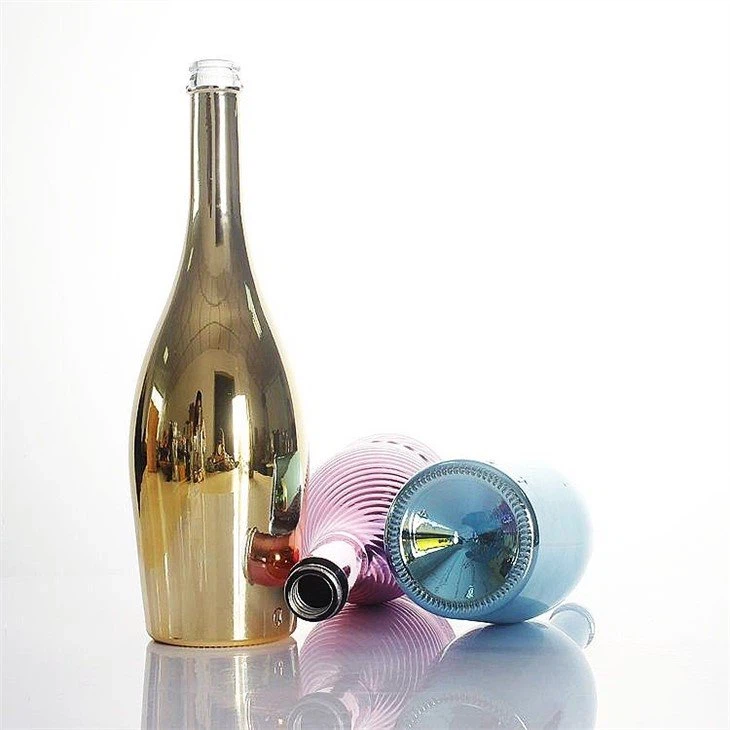
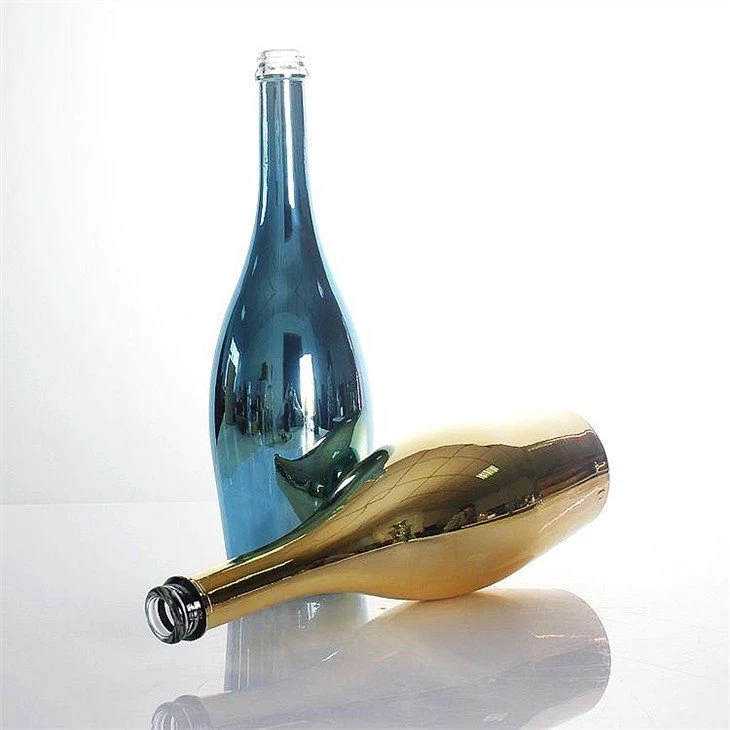
If you're in the market for champagne bottles, I'd love to help. I'm a trusted supplier of Gold Champagne Bottle, Champagne Glass Bottle, and Personalised Champagne Bottle. We offer a wide range of styles and designs to suit your needs and preferences. If you're interested in learning more or placing an order, please don't hesitate to get in touch. I'd be happy to discuss your requirements and help you find the perfect champagne bottles for your business or event.
References
- Champagne Wine Guide. (n.d.). Retrieved from [URL]
- Wine Spectator. (n.d.). Champagne Buying Guide. Retrieved from [URL]
- The Wine Cellar Insider. (n.d.). Champagne Basics. Retrieved from [URL]