Producing beverage bottles involves a complex web of costs that span from raw materials acquisition to the final delivery of the product. As a beverage bottle supplier, I've witnessed firsthand how these costs can fluctuate and impact the overall business. In this blog, I'll delve into the various expenses associated with manufacturing beverage bottles, providing insights into the factors that drive these costs.
Raw Material Costs
The foundation of any beverage bottle is its raw materials. The type of material used significantly influences the cost. The most common materials for beverage bottles are plastic, glass, and aluminum.
Plastic, particularly PET (polyethylene terephthalate), is widely used due to its lightweight, durability, and cost - effectiveness. However, the price of PET resin is subject to market fluctuations. Crude oil prices play a major role here, as PET is derived from petrochemicals. When oil prices rise, the cost of producing PET resin increases, which in turn drives up the cost of plastic beverage bottles. Additionally, the quality and grade of the plastic can also affect the price. Higher - grade plastics with better clarity, strength, and barrier properties are more expensive.
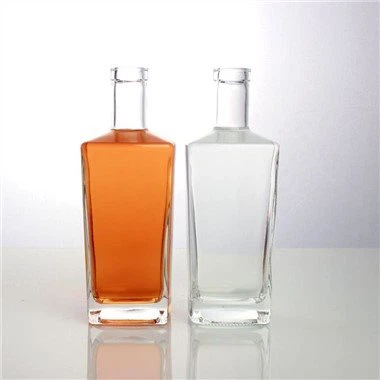
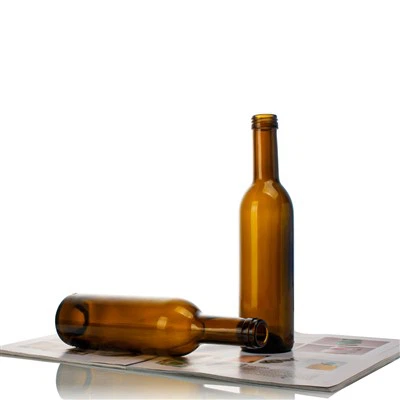
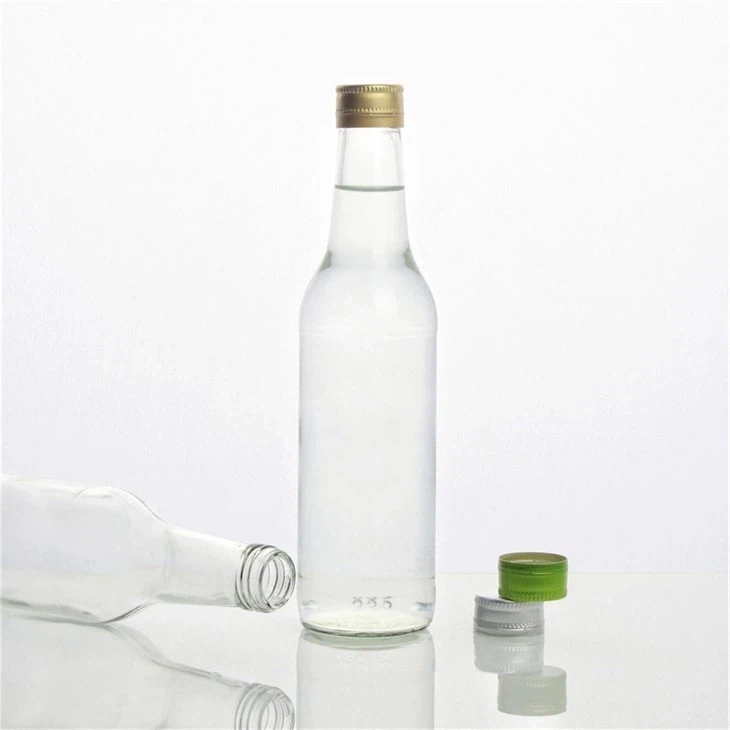
Glass is another popular choice, especially for premium beverages. The raw materials for glass include silica sand, soda ash, and limestone. While these materials are abundant, the energy required to melt and shape the glass is substantial. Energy costs are a major component of glass bottle production. Moreover, the quality of the glass, such as its thickness and color, can impact the cost. For example, clear glass bottles may require more refined raw materials and a more precise manufacturing process compared to colored glass bottles. You can explore our Sparkling Water Glass Bottle options, which are crafted with high - quality glass.
Aluminum is commonly used for carbonated soft drinks and some alcoholic beverages. The primary raw material for aluminum is bauxite, which is refined into alumina and then smelted into aluminum. Similar to glass production, aluminum smelting is an energy - intensive process. The cost of aluminum is also influenced by global supply and demand dynamics. When demand for aluminum in other industries, such as automotive and aerospace, is high, the price of aluminum for beverage bottle production can increase.
Manufacturing Costs
Once the raw materials are acquired, the manufacturing process begins. This stage incurs several costs, including labor, equipment, and energy.
Labor costs are a significant part of the manufacturing process. Skilled workers are required to operate the machinery, monitor the production line, and ensure quality control. The cost of labor varies depending on the location of the manufacturing facility. In regions with higher minimum wages and better labor regulations, labor costs will be higher. Additionally, training and retaining a skilled workforce also add to the overall cost.
Equipment costs are substantial. Beverage bottle manufacturing requires specialized machinery for processes such as blow - molding (for plastic bottles), glass forming, and canning (for aluminum bottles). These machines are expensive to purchase, install, and maintain. Regular maintenance is crucial to ensure the smooth operation of the production line and to prevent breakdowns that can lead to costly production delays.
Energy costs are another major factor in manufacturing. As mentioned earlier, glass and aluminum production are energy - intensive processes. Plastic bottle manufacturing also requires energy for heating, cooling, and operating the machinery. The cost of energy, whether it's electricity, natural gas, or other sources, can vary depending on the region and the market conditions. Fluctuations in energy prices can have a significant impact on the overall manufacturing cost.
Design and Tooling Costs
The design of a beverage bottle is not only important for aesthetics but also for functionality. A well - designed bottle can enhance the brand image, improve the user experience, and even reduce production costs in some cases. However, the design process incurs costs.
Designers need to be hired to create the bottle's shape, label, and packaging. These designers may charge hourly rates or project - based fees. Additionally, market research may be conducted to understand consumer preferences and trends, which also adds to the cost.
Tooling costs are associated with creating the molds and dies required for the manufacturing process. For plastic bottles, injection molds are used in the blow - molding process. These molds are custom - made and can be very expensive, especially for complex bottle designs. Similarly, glass molds and aluminum canning dies also require significant investment. The cost of tooling depends on the complexity of the design, the size of the production run, and the material used for the tooling.
Quality Control Costs
Ensuring the quality of beverage bottles is essential to meet industry standards and customer expectations. Quality control costs include inspection, testing, and compliance with regulations.
Inspection is carried out at various stages of the production process. Visual inspections are done to check for defects such as cracks, scratches, and uneven surfaces. Dimensional inspections are also performed to ensure that the bottles meet the specified size and shape requirements. These inspections require trained personnel and may involve the use of specialized equipment.
Testing is another important aspect of quality control. For example, plastic bottles may be tested for their barrier properties to prevent the leakage of carbonation or the ingress of oxygen. Glass bottles are tested for their strength and resistance to breakage. Aluminum cans are tested for their seal integrity. These tests often require specialized laboratories and equipment, which add to the cost.
Compliance with regulations is a must in the beverage bottle industry. There are strict regulations regarding food safety, environmental protection, and labeling. Meeting these regulations requires additional resources for documentation, certification, and regular audits.
Packaging and Shipping Costs
Once the beverage bottles are manufactured and quality - checked, they need to be packaged and shipped to the customers.
Packaging materials such as cardboard boxes, shrink - wrap, and dividers are used to protect the bottles during transportation. The cost of these packaging materials depends on the type, size, and quantity required. For example, custom - printed packaging may be more expensive than plain packaging.
Shipping costs are influenced by several factors, including the distance to the customer, the weight and volume of the shipment, and the shipping method. Freight charges can be a significant portion of the overall cost, especially for international shipments. Additionally, insurance may be required to protect the goods during transit, which adds to the shipping cost.
Marketing and Sales Costs
As a beverage bottle supplier, marketing and sales are crucial for promoting our products and attracting customers. These activities incur costs.
Marketing costs include advertising, trade shows, and online marketing. Advertising can be done through various channels such as print media, television, and social media. The cost of advertising depends on the reach and frequency of the campaign. Participating in trade shows allows us to showcase our products to potential customers, but it also involves expenses such as booth rental, travel, and promotional materials.
Sales costs include the salaries and commissions of the sales team. Sales representatives need to be trained to understand the products and the market. They also need to travel to meet with customers, which incurs travel and accommodation expenses.
Conclusion
In conclusion, producing beverage bottles involves a wide range of costs, from raw materials and manufacturing to packaging, shipping, and marketing. As a beverage bottle supplier, we need to carefully manage these costs to remain competitive in the market. By understanding the factors that drive these costs, we can make informed decisions to optimize our production processes and offer high - quality products at reasonable prices.

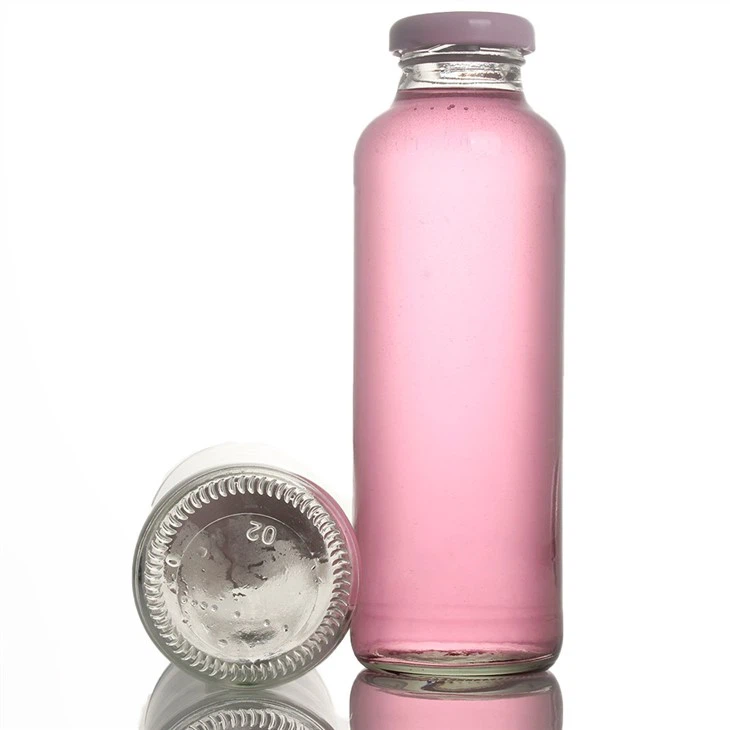
If you're interested in our beverage bottle products, such as the 12oz 355ml Juice Glass Bottle or the Clear Juice Bottle, please feel free to contact us for a detailed quote and to discuss your specific requirements. We're committed to providing excellent products and services to meet your needs.
References
- "The Economics of Beverage Packaging" - Industry Report
- "Raw Material Pricing Trends in the Packaging Industry" - Market Research Study
- "Quality Control in Beverage Bottle Manufacturing" - Technical Journal Article