Hey there, fellow liquor enthusiasts and business owners! As a long - time liquor bottle supplier, I've seen my fair share of bottle - related issues, and one of the most common headaches is liquor bottle leakage. No one wants to deal with a mess of spilled booze, not to mention the potential loss of product and damage to the brand's reputation. So, today I'm going to share some tips on how to prevent a liquor bottle from leaking.
Choose the Right Bottle Material
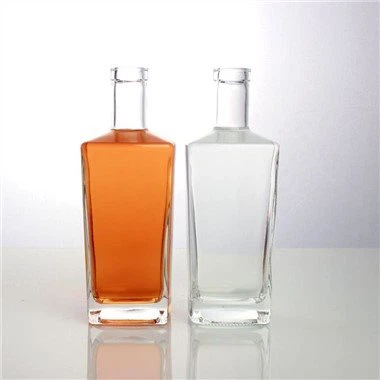
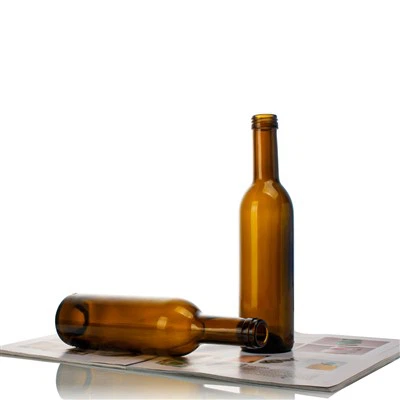
First things first, the material of the bottle matters a whole lot. At our supply, we offer a variety of high - quality bottles, like the Customizable Oxygen Glass Bottles. Glass is a great choice for liquor bottles. It's non - porous, which means it won't absorb the liquor and cause any flavor changes. Also, it's strong enough to withstand normal handling and storage conditions.
Another option is the Colorful High Borosilicate Glass Bottle. Borosilicate glass is even more resistant to thermal shock and mechanical stress compared to regular glass. This is super important if your liquor is going to be shipped in different temperature conditions or if it might get a bit of a rough ride during transportation.
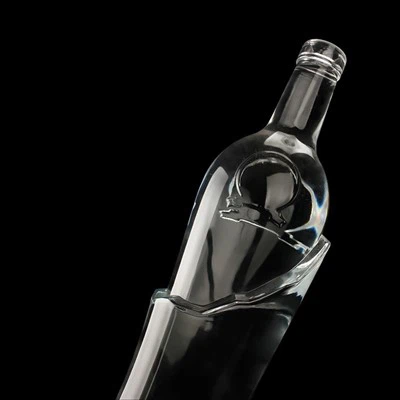
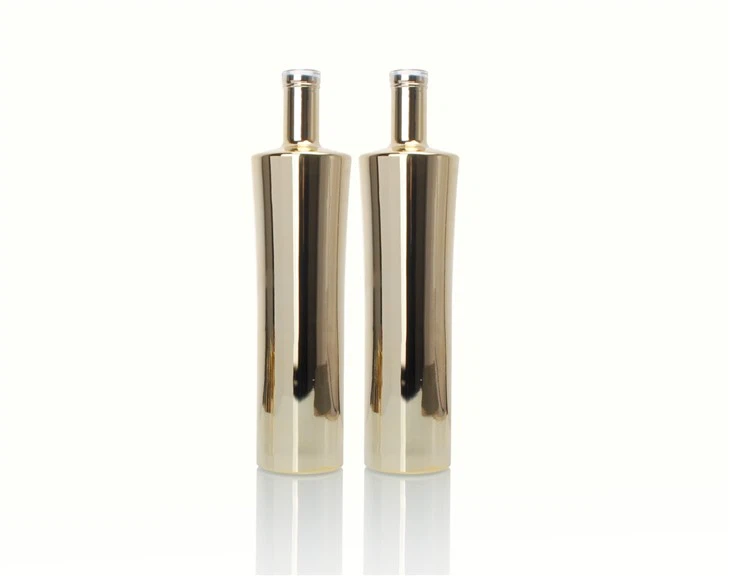
We also have Glectroplate Color Glass Bottle. These bottles not only look cool but also provide good protection for the liquor inside. The electroplated color layer can add an extra level of durability and can also act as a barrier against light, which can sometimes affect the quality of the liquor.
Pay Attention to the Bottle Seal
The seal is the key to preventing leakage. There are different types of seals available, and you need to choose the one that's best for your liquor.
Cork Seals: Cork is a classic choice for wine and some high - end liquors. It gives a traditional look and feel. But it's important to make sure the cork is of good quality. A dry or damaged cork can lead to leakage. You should store the bottles in a cool and humid environment to keep the cork moist and flexible. Also, when inserting the cork, make sure it's properly seated in the bottle neck.
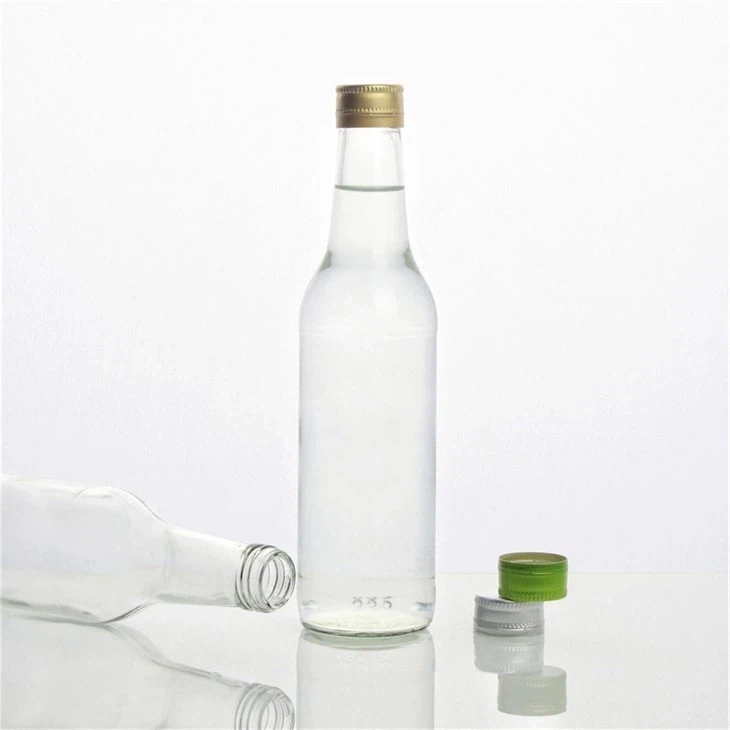
Screw - on Caps: These are more common for everyday liquors. They're easy to use and provide a tight seal. However, you need to ensure that the threads on the bottle neck and the cap match perfectly. If the threads are damaged or misaligned, the cap won't screw on tightly, and leakage can occur.
Snap - on Caps: These are quick and easy to apply. They work well for some types of liquors, especially those in smaller bottles. But like screw - on caps, they need to fit properly. Check for any signs of wear or damage on the snap - on mechanism.
Quality Control During Manufacturing
As a supplier, we have strict quality control measures in place to ensure that every bottle we produce is up to the mark.
Inspect the Bottles: Before they leave the factory, each bottle is inspected for cracks, chips, or any other defects. Even a small crack can lead to leakage over time. We use advanced inspection techniques to detect these issues early on.
Test the Seals: We also test the seals to make sure they're airtight and leak - proof. This involves filling the bottles with a liquid (similar to the liquor in terms of viscosity) and checking for any signs of leakage after a certain period.
Proper Handling and Storage
Once the bottles are filled and sealed, proper handling and storage are crucial to prevent leakage.
During Transportation: Make sure the bottles are packed securely. Use appropriate packaging materials like foam inserts or cardboard dividers to prevent the bottles from knocking against each other. Also, avoid rough handling during loading and unloading.
In Storage: Store the bottles in a stable environment. Avoid extreme temperatures and humidity changes. If the temperature fluctuates too much, it can cause the liquor to expand and contract, which might put pressure on the seal and lead to leakage.
Maintenance and After - sales Service
Even with the best prevention measures, sometimes issues can still arise. That's why we offer great after - sales service. If you notice any leakage problems with the bottles we supply, just let us know. We'll work with you to find a solution, whether it's replacing the bottles or providing advice on how to fix the issue.
We also recommend regular maintenance. Check the bottles periodically for any signs of damage or leakage. If you find a problem early, it's easier to fix and can prevent more serious issues down the road.
Conclusion
Preventing liquor bottle leakage is a multi - step process that involves choosing the right bottle material, ensuring a proper seal, strict quality control during manufacturing, proper handling and storage, and good maintenance. As a liquor bottle supplier, we're committed to providing you with the best products and support to keep your liquor safe and secure.

If you're in the market for high - quality liquor bottles and want to discuss your specific needs, don't hesitate to reach out. We're here to help you find the perfect solution for your business. Whether you're a small craft distillery or a large liquor brand, we have the expertise and the products to meet your requirements.
References
- "Packaging Materials for Liquor: A Comprehensive Guide" - Industry Packaging Journal
- "Best Practices for Liquor Bottle Sealing" - Beverage Packaging Review
- "Quality Control in Glass Bottle Manufacturing" - Glass Industry Magazine