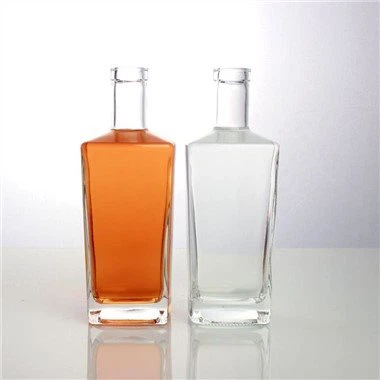
When it comes to the world of wines, ice wine stands out as a unique and luxurious beverage that offers a taste experience unlike any other. As a supplier of high - quality ice wine bottles, I've had the privilege of delving deep into the nuances of ice wine's flavor profile and comparing it to other types of wines. In this blog, I'll take you on a journey through the taste characteristics of ice wine and contrast them with the flavors found in more common wine varieties.
The Basics of Ice Wine
Ice wine is a type of dessert wine produced from grapes that have been frozen while still on the vine. The freezing process concentrates the sugars, acids, and flavors in the grapes, resulting in a wine that is incredibly sweet, rich, and complex. To be officially classified as ice wine, the grapes must reach a certain level of natural sugar content and be harvested at temperatures below freezing, usually around - 7°C to - 10°C.

This unique production method gives ice wine its distinct taste. The high sugar content provides a luscious, syrupy sweetness that is immediately noticeable on the palate. However, ice wine is not just about sweetness; it also has a balanced acidity that cuts through the sugar, preventing the wine from becoming cloying. This acidity gives the wine a refreshing and lively quality, making it a pleasure to drink.
Comparing Sweetness
One of the most obvious differences between ice wine and other wines is the level of sweetness. Most table wines, such as reds and whites, are dry or semi - dry, meaning they have very little residual sugar. For example, a typical dry Chardonnay might have less than 1 gram of residual sugar per liter, while a semi - dry Riesling could have around 10 - 20 grams per liter.
In contrast, ice wine can have a residual sugar content of 100 grams per liter or more. This extreme sweetness makes ice wine a dessert in itself. It's often served in small glasses as a finale to a meal, much like a fine dessert. When compared to other sweet wines like Sauternes or Tokaji, ice wine generally has a more intense and concentrated sweetness. Sauternes, for instance, is made from grapes that are affected by noble rot, which also concentrates the sugars but in a different way. The sweetness in Sauternes is often described as honeyed and floral, while ice wine's sweetness is more straightforward and grape - forward.
Acidity and Balance
As mentioned earlier, acidity is crucial in ice wine. It balances out the high sugar content and gives the wine structure. In comparison to other sweet wines, ice wine typically has a higher acidity level. This is due to the fact that the grapes are harvested late in the season when the natural acidity in the grapes is still relatively high.
In contrast, some other sweet wines, like port, rely more on alcohol to provide structure. Port is a fortified wine, meaning that brandy is added during the fermentation process to stop the yeast from converting all the sugar into alcohol. While port has a rich, sweet flavor, it often lacks the bright acidity found in ice wine. The high acidity in ice wine makes it pair well with a variety of foods, including strong cheeses and rich desserts. The acidity cuts through the fat in the food, cleansing the palate and allowing you to fully enjoy the flavors of both the wine and the food.
Flavor Profiles
Ice wine has a complex flavor profile that is influenced by the grape variety used and the region where it is produced. The most common grape varieties for ice wine are Vidal Blanc, Riesling, and Cabernet Franc. Vidal Blanc ice wines are known for their tropical fruit flavors, such as mango and pineapple, along with notes of honey and citrus. Riesling ice wines, on the other hand, often have a more delicate flavor profile, with flavors of green apple, pear, and floral notes. Cabernet Franc ice wines offer a unique combination of red fruit flavors, like cherry and raspberry, along with a hint of spice.
When compared to red wines, ice wine lacks the tannins that are characteristic of reds. Tannins are compounds found in the skins, seeds, and stems of grapes, and they give red wines a dry, astringent mouthfeel. Ice wine, being made from frozen grapes, has a much smoother and silkier texture. Red wines, such as Cabernet Sauvignon or Merlot, have flavors of dark fruit, like blackcurrant and plum, along with earthy and spicy notes. These flavors are very different from the bright, fruity flavors found in ice wine.
White wines also have a different flavor profile compared to ice wine. Most dry white wines, like Sauvignon Blanc or Pinot Grigio, have flavors of citrus, green apple, and herbaceous notes. They are often light - bodied and refreshing, with a focus on acidity. Ice wine is much heavier - bodied and has a more intense flavor profile. The concentrated sugars in ice wine give it a thick, syrupy texture that is not found in dry white wines.
Aroma and Bouquet
The aroma of a wine is an important part of the tasting experience, and ice wine does not disappoint in this regard. The nose of an ice wine is often filled with intense, sweet fruit aromas, similar to the flavors you'll find on the palate. These aromas can be so powerful that they can be detected from across the room.
In comparison, other wines have different aromatic profiles. Red wines often have complex aromas of dark fruits, leather, tobacco, and spices. The aroma of a young red wine might be dominated by fresh fruit, while an aged red wine can develop more complex, earthy notes. White wines, depending on the variety, can have aromas of citrus, tropical fruits, or floral scents. The aroma of an ice wine is more one - dimensional in terms of its focus on sweet fruits, but the intensity of these aromas is what sets it apart.
Pairing Possibilities
The unique taste of ice wine also affects its pairing possibilities. As a sweet wine, it pairs well with desserts that have a similar flavor profile. For example, an ice wine made from Vidal Blanc would pair beautifully with a mango sorbet or a pineapple upside - down cake. The sweet, tropical flavors of the wine would complement the fruit in the dessert.
Riesling ice wine pairs well with cheeses, especially blue cheeses. The acidity in the ice wine cuts through the richness of the cheese, while the sweetness of the wine complements the saltiness of the cheese. This is a classic pairing that is loved by many wine enthusiasts.
In contrast, red wines are often paired with red meats, such as steak or lamb. The tannins in the red wine help to cut through the fat in the meat, while the flavors of the wine complement the savory flavors of the dish. White wines, on the other hand, are commonly paired with seafood or poultry. The light - bodied and refreshing nature of white wines makes them a great match for these types of dishes.
Our Ice Wine Blue Bottle
If you're interested in experiencing the unique taste of ice wine, I'd like to introduce you to our Ice Wine Blue Bottle. Our ice wine is made from carefully selected grapes that are harvested at the perfect time to ensure the highest quality and most intense flavor. The blue bottle not only looks elegant but also helps to protect the wine from light, preserving its flavor and aroma.
Contact Us for Purchase and Collaboration
If you're a wine retailer, a restaurant owner, or simply a wine lover looking to add a touch of luxury to your collection, I invite you to contact us for more information on purchasing our ice wine bottles. We offer competitive prices, high - quality products, and excellent customer service. Whether you're interested in a small quantity for personal use or a large order for commercial purposes, we're here to work with you to meet your needs.
References
- Jackson, H. (2018). The World of Wine. HarperCollins.
- Robinson, J. (2015). The Oxford Companion to Wine. Oxford University Press.