As a liquor bottle supplier, I've spent years immersed in the world of glassware, understanding the nuances that make each bottle unique. One question that often arises is, "What is the typical thickness of a liquor bottle wall?" This seemingly simple query delves into a complex interplay of factors, from aesthetics and functionality to safety and durability. In this blog post, I'll explore the various elements that influence liquor bottle wall thickness and provide insights into the typical ranges you might encounter in the industry.
Factors Influencing Liquor Bottle Wall Thickness
1. Material Composition
The type of glass used in liquor bottles significantly impacts wall thickness. Most liquor bottles are made from soda-lime glass, a common and cost-effective material known for its transparency and workability. However, some high-end or specialty bottles may be crafted from borosilicate glass, which offers superior thermal resistance and durability. Borosilicate glass bottles often have thinner walls compared to soda-lime glass bottles while maintaining the same level of strength.
2. Bottle Shape and Design
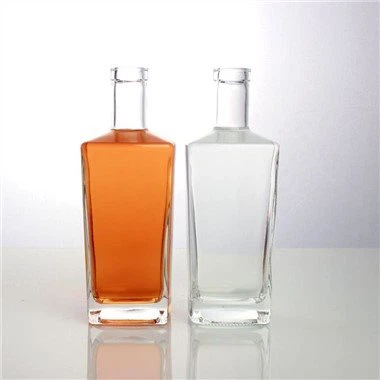
The shape and design of a liquor bottle play a crucial role in determining wall thickness. Bottles with complex shapes, such as those with curves, ridges, or embossed patterns, may require thicker walls to maintain structural integrity during the manufacturing process and transportation. On the other hand, simple, straight-sided bottles can often have thinner walls without sacrificing strength. For example, a classic rectangular Cubic Printing Bottles may have a more consistent wall thickness compared to a bottle with an elaborate hourglass shape.

3. Liquor Type and Volume
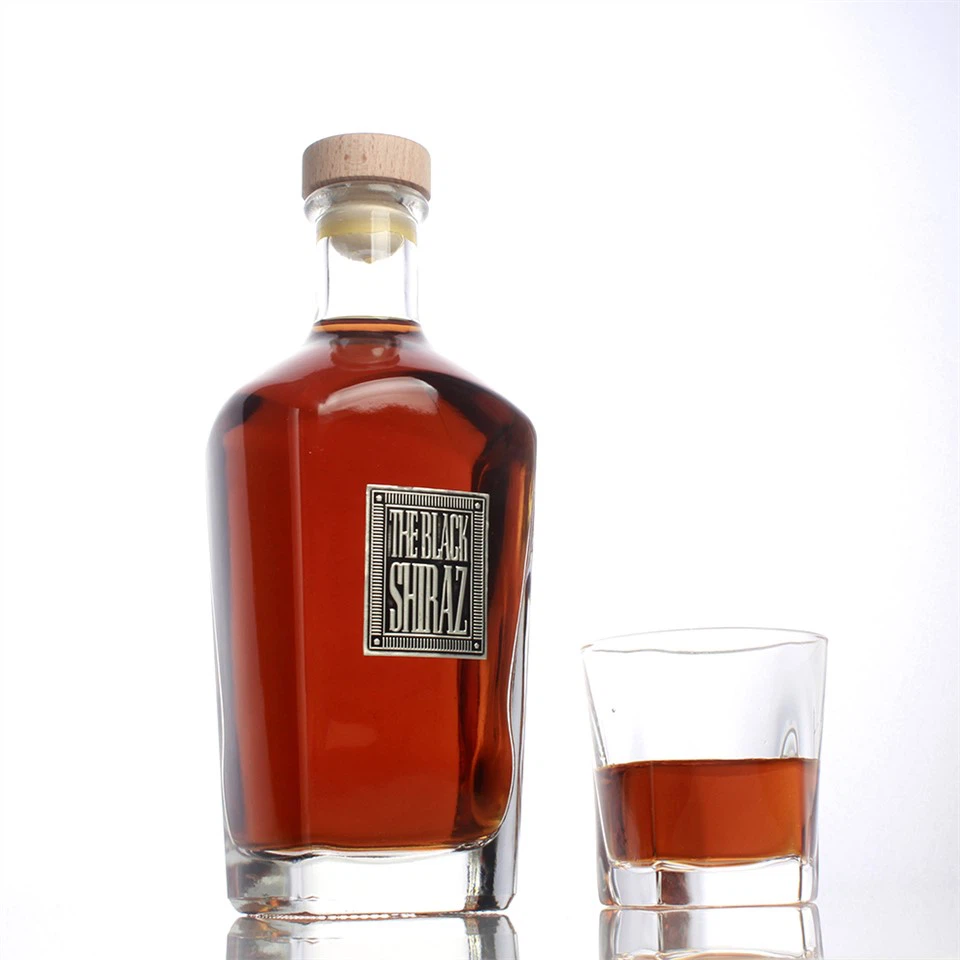
The type of liquor and its volume also influence wall thickness. Spirits with higher alcohol content, such as whiskey, vodka, and rum, typically require thicker walls to prevent breakage and leakage. Additionally, larger volume bottles, such as 750ml Liquor Glass Bottle, may need thicker walls to support the weight of the liquid and withstand the pressure exerted during filling and handling.
4. Transportation and Storage Conditions
The conditions under which liquor bottles are transported and stored can impact wall thickness requirements. Bottles that are shipped long distances or stored in harsh environments may need thicker walls to protect the contents from damage. For example, bottles that are shipped overseas or stored in warehouses with fluctuating temperatures and humidity levels may require additional reinforcement to prevent breakage.
Typical Thickness Ranges
The typical thickness of a liquor bottle wall can vary widely depending on the factors mentioned above. However, in general, the wall thickness of a standard 750ml liquor bottle made from soda-lime glass ranges from 2 to 4 millimeters. Thinner walls, around 2 millimeters, are often used for lightweight bottles or those with a more delicate design, while thicker walls, up to 4 millimeters, are common for heavy-duty bottles or those intended for high-alcohol spirits.
It's important to note that these are just general guidelines, and the actual wall thickness of a liquor bottle may vary depending on the specific requirements of the manufacturer or brand. Some high-end or specialty bottles may have even thicker walls, while others may be designed with ultra-thin walls for a more modern and minimalist look.
Customization Options
As a liquor bottle supplier, we understand that every brand has unique requirements when it comes to bottle design and functionality. That's why we offer a wide range of customization options to meet the specific needs of our clients. Whether you're looking for a custom bottle shape, size, or wall thickness, our team of experts can work with you to create a bottle that perfectly reflects your brand identity.
In addition to standard customization options, we also offer Customizable Oxygen Glass Bottles that are designed to provide superior oxygen barrier properties. These bottles are ideal for spirits that are sensitive to oxidation, such as wine and champagne, as they help to preserve the flavor and aroma of the liquor over time.
Importance of Wall Thickness
The wall thickness of a liquor bottle is not just a matter of aesthetics; it also has a significant impact on the safety and functionality of the bottle. Thicker walls provide greater protection against breakage and leakage, reducing the risk of product damage and waste. Additionally, thicker walls can help to maintain the integrity of the bottle during the filling and capping process, ensuring a consistent and reliable seal.
On the other hand, thinner walls can offer a more lightweight and cost-effective solution for some brands. Thinner bottles are often easier to handle and transport, which can reduce shipping costs and improve overall efficiency. However, it's important to balance the benefits of thinner walls with the potential risks of breakage and leakage, especially when dealing with high-value or fragile products.
Conclusion
In conclusion, the typical thickness of a liquor bottle wall is influenced by a variety of factors, including material composition, bottle shape and design, liquor type and volume, and transportation and storage conditions. While the wall thickness of a standard 750ml liquor bottle made from soda-lime glass ranges from 2 to 4 millimeters, the actual thickness may vary depending on the specific requirements of the manufacturer or brand.
As a liquor bottle supplier, we offer a wide range of customization options to meet the unique needs of our clients. Whether you're looking for a standard bottle design or a custom solution, our team of experts can work with you to create a bottle that perfectly reflects your brand identity and meets your specific requirements.
If you're interested in learning more about our liquor bottle products or discussing your customization options, please don't hesitate to contact us. We'd be happy to provide you with more information and answer any questions you may have. Let's work together to create a bottle that will make your brand stand out in the market.
References
- "Glass Packaging Institute: Understanding Glass Properties." Glass Packaging Institute.
- "Beverage Industry Magazine: The Science of Bottle Design." Beverage Industry Magazine.
- "International Journal of Packaging Science and Technology: Factors Affecting the Strength of Glass Bottles." International Journal of Packaging Science and Technology.