

Hey there! As a bottle cap supplier, I've been getting a lot of questions lately about the durability of bottle caps. People want to know how long these little guys can last and what factors affect their lifespan. So, I thought I'd take a deep dive into this topic and share some insights with you.
First off, let's talk about what we mean by "durability" when it comes to bottle caps. Essentially, durability refers to the ability of a bottle cap to maintain its integrity and functionality over time. This includes things like resisting damage from external forces, such as being dropped or squeezed, as well as withstanding the effects of environmental factors, like humidity and temperature changes.
One of the key factors that affects the durability of a bottle cap is the material it's made from. There are several different materials commonly used to make bottle caps, each with its own unique properties and characteristics.
Plastic Bottle Caps
Plastic bottle caps are probably the most common type of bottle cap out there. They're lightweight, inexpensive, and easy to manufacture. However, they're also relatively less durable compared to other materials. Plastic can become brittle over time, especially when exposed to extreme temperatures or sunlight. This can cause the cap to crack or break, which can lead to leakage and spoilage of the contents inside the bottle.
Metal Bottle Caps
Metal bottle caps, on the other hand, are generally more durable than plastic caps. Aluminum is a popular choice for metal bottle caps because it's lightweight, corrosion-resistant, and has good strength. Aluminum bottle caps can withstand a fair amount of pressure and impact without cracking or breaking. They're also less likely to be affected by environmental factors, such as humidity and temperature changes.
For example, check out our Wine Aluminum Screw Cap. It's designed specifically for wine bottles and offers excellent durability. The screw design provides a tight seal, which helps to keep the wine fresh and prevents oxidation.
Glass Bottle Caps
Glass bottle caps are another option, although they're less common than plastic or metal caps. Glass is a very strong and durable material, but it's also heavy and fragile. Glass bottle caps are often used for high-end or specialty products because they give a more premium look and feel. However, they require careful handling to avoid breakage.
Now, let's talk about some of the other factors that can affect the durability of a bottle cap.
Design
The design of a bottle cap can also play a role in its durability. A well-designed cap will have features that help to prevent leakage and damage. For example, a cap with a tight-fitting seal or a tamper-evident band will be more durable than a cap without these features.
Manufacturing Process
The manufacturing process used to make the bottle cap can also affect its durability. Caps that are made using high-quality materials and advanced manufacturing techniques are generally more durable than caps that are made using lower-quality materials and less precise manufacturing processes.
Storage and Handling
How the bottle cap is stored and handled can also have an impact on its durability. Caps that are stored in a cool, dry place and handled carefully are less likely to be damaged than caps that are stored in a hot, humid environment or subjected to rough handling.
Let's take a closer look at some specific types of bottle caps and their durability.

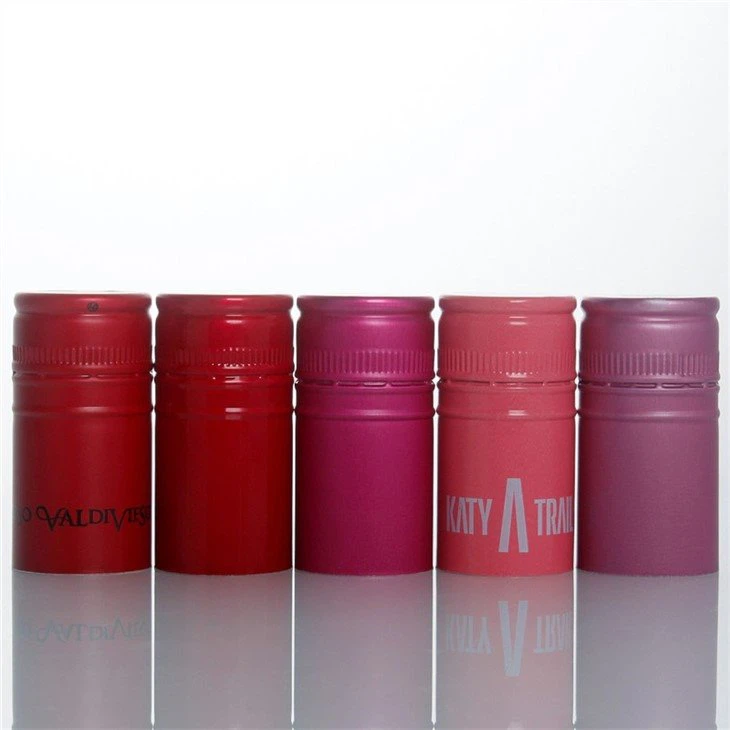
30*60mm Wine Aluminum Screw Cap
This type of cap is commonly used for wine bottles. The 30*60mm size is a standard size for many wine bottles. The aluminum material provides good durability, and the screw design allows for easy opening and closing. These caps are designed to provide a tight seal, which helps to keep the wine fresh and prevent oxidation. They can withstand normal handling and storage conditions without significant damage.
GPI 400/28 Aluminum Screw Cap
The GPI 400/28 Aluminum Screw Cap is another popular option. It's often used for a variety of beverage bottles, including soft drinks and juices. The aluminum construction makes it durable and resistant to corrosion. The screw design ensures a secure fit, which helps to prevent leakage. These caps are also designed to be easy to open and close, making them convenient for consumers.
In conclusion, the durability of a bottle cap depends on several factors, including the material it's made from, the design, the manufacturing process, and how it's stored and handled. As a bottle cap supplier, we strive to provide our customers with high-quality, durable bottle caps that meet their specific needs.
If you're in the market for bottle caps and want to learn more about our products, or if you have any questions about the durability of our bottle caps, please don't hesitate to reach out. We're here to help you find the perfect bottle caps for your products and ensure that they meet your quality and durability requirements. Let's start a conversation and see how we can work together to get the best bottle caps for your business!
References
- "Bottle Cap Materials and Their Properties" - Industry Report on Packaging Materials
- "The Impact of Design on Bottle Cap Durability" - Journal of Packaging Science
- "Best Practices for Storing and Handling Bottle Caps" - Packaging and Storage Guidelines
