Yo, what's up wine lovers and industry peeps! I'm a wine bottle supplier, and today I wanna chat about the difference between a new world and an old world wine bottle. It might seem like just a container for some delicious vino, but trust me, there's a lot more to it than meets the eye.
The Basics: Old World vs New World
First off, let's clarify what we mean by "old world" and "new world" wines. The old world refers to the traditional wine - producing regions in Europe, places like France, Italy, Spain, and Germany. These areas have been making wine for centuries, and their winemaking practices are deeply rooted in history and tradition.
On the other hand, the new world includes countries like the United States, Australia, New Zealand, South Africa, and Argentina. These regions started serious winemaking much later, often influenced by the old - world techniques but also adapting them to their own unique climates, soils, and consumer demands.
Shape and Design
One of the most noticeable differences between old and new world wine bottles is their shape. Old - world wine bottles tend to have more standardized shapes based on the region they come from.
For example, Bordeaux bottles are tall and have high, straight shoulders. They're typically used for Cabernet Sauvignon, Merlot, and other red blends from the Bordeaux region in France. The high shoulders help to catch sediment as the wine ages. Burgundy bottles, on the other hand, are more rounded with sloping shoulders. They're used for Pinot Noir and Chardonnay wines from the Burgundy region.
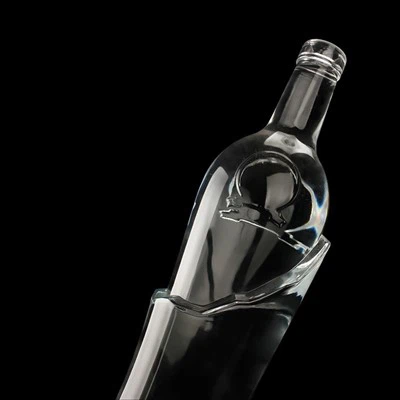
In the new world, while you can still find bottles in these classic shapes, there's a lot more flexibility. Winemakers here are often more focused on branding and marketing, so you'll see a wider variety of bottle shapes. Some new - world wineries even come up with custom - designed bottles to stand out on the shelf. For instance, a winery might use a sleek, modern - looking bottle to appeal to a younger, more contemporary audience.
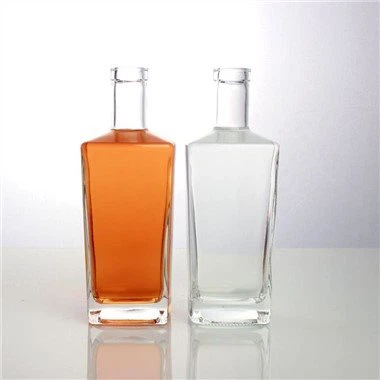
If you're looking for some great wine bottles for your new - world wines, check out our 750ml Highborosilicate Spirits Bottles. They offer a modern and durable option for your wine.
Labeling
Labeling is another area where old and new - world wine bottles differ significantly. Old - world labels are usually more focused on the place of origin. They'll prominently display the name of the region, the appellation, and sometimes the specific vineyard. The grape variety might be listed, but it's not always the main focus. For example, a French wine label might say "Châteauneuf - du - Pape," which is a well - known appellation in the Rhône Valley, and then mention the grape varieties in smaller print.
New - world labels, in contrast, often put the grape variety front and center. Consumers in new - world markets are often more interested in knowing exactly what kind of grape they're getting. So, you'll see big, bold letters on the label saying "Cabernet Sauvignon" or "Sauvignon Blanc." Along with the grape variety, new - world labels also tend to include more information about the taste profile, food pairings, and sometimes even the winemaking process.
Color and Material
The color of the glass is also a factor. Old - world wine bottles are commonly made of green or amber glass. Green glass is great for protecting the wine from sunlight, which can cause off - flavors and spoilage. Amber glass is even better at blocking out harmful UV rays, and it's often used for wines that need extra protection, like fortified wines.
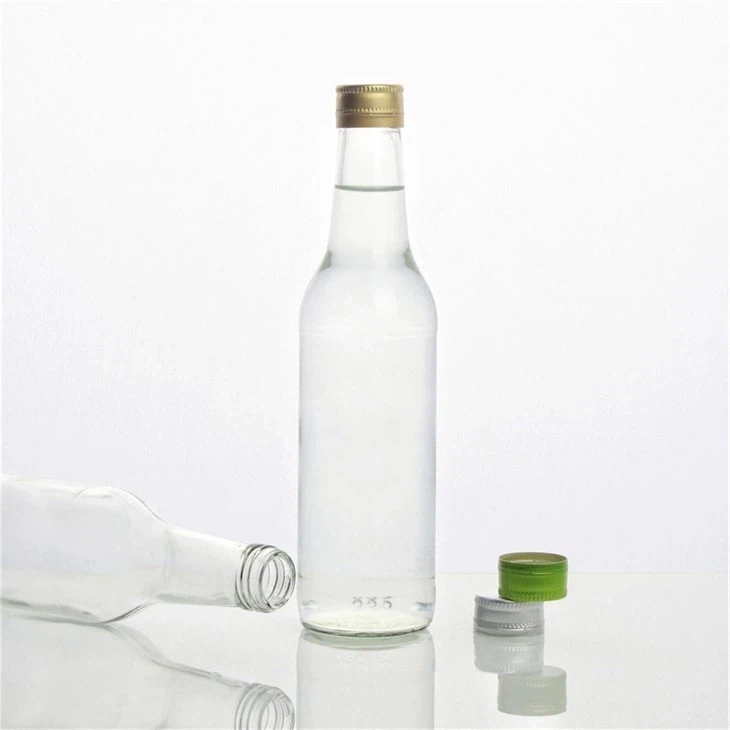
In the new world, while green and amber glass are still popular, there's also more experimentation with clear glass. Clear glass allows consumers to see the color of the wine, which can be appealing, especially for younger consumers who might be more visually oriented. However, clear glass doesn't offer the same level of protection as colored glass, so winemakers using clear glass need to be more careful about how they store and display their wines.
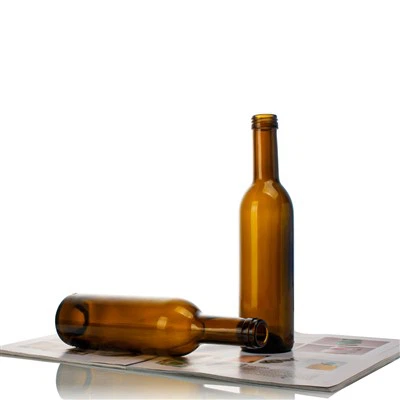
We offer Amber Glass 750ml Wine Bottles, which are perfect for those old - world style wines that need that extra protection from the sun.


Size and Capacity
When it comes to size, old - world wines have a long - standing tradition of using the standard 750ml bottle. This size has been around for ages and is deeply ingrained in the wine industry. It's a convenient size for consumers to purchase and share, and it's also easy for winemakers to produce and transport.
In the new world, while the 750ml bottle is still very common, there's a growing trend towards smaller and larger sizes. Miniature bottles, like our 187ml Mini Capacity Wine Bottles, are becoming popular for tastings, flights, and single - serving options. On the other hand, larger formats like 1.5 - liter magnums and even bigger sizes are also in demand for special occasions and collectible wines.
Cultural Significance
Old - world wine bottles carry a lot of cultural and historical significance. They're part of a long - standing tradition that has been passed down through generations. For example, the shape of a Champagne bottle is iconic and is associated with celebration and luxury. The way these bottles are made and labeled is a reflection of the rich winemaking heritage of the region.
New - world wine bottles, on the other hand, are more about innovation and adaptation. They represent the spirit of exploration and the willingness to break away from tradition to create something new. This is in line with the new - world approach to winemaking, which is often more dynamic and responsive to changing consumer trends.
Conclusion
So, there you have it - the main differences between new - world and old - world wine bottles. Whether you're a winemaker looking for the perfect bottle for your wine or a consumer interested in the story behind the bottle, understanding these differences can enhance your appreciation of wine.
If you're in the market for high - quality wine bottles, whether for old - world or new - world wines, I'd love to chat. We have a wide range of options to suit your needs. Reach out to us to start a conversation about your wine - bottle requirements. Let's work together to find the best solution for your wine business!
References
- Robinson, J., Harding, J., & Vouillamoz, J. (2012). Wine Grapes: A Complete Guide to 1,368 Vine Varieties, Including Their Origins and Flavours. Allen & Unwin.
- Jackson, H. (2008). The World Atlas of Wine. Mitchell Beazley.