In the realm of spirits, the container plays a pivotal role in preserving, presenting, and even enhancing the essence of the liquid within. As a dedicated spirit bottle supplier, I've witnessed firsthand the significance of understanding the capacity of spirit bottles. This knowledge not only impacts the product's marketability but also influences consumer behavior and industry standards.
Understanding Standard Capacities
The capacity of a spirit bottle is a fundamental characteristic that varies widely across the industry. Standard capacities have emerged over time, driven by consumer preferences, regulatory requirements, and historical practices. In many parts of the world, the 700 ml and 750 ml sizes are the most common for spirits such as vodka, whiskey, and rum.
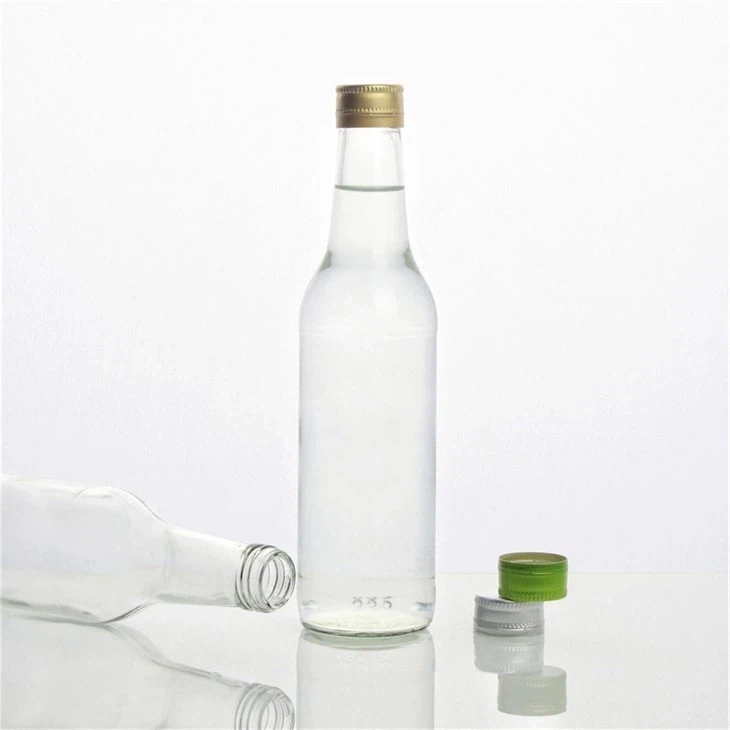
The 700 Ml Vodka Glass Bottles are a popular choice for many vodka producers. This size strikes a balance between affordability and quantity, making it accessible to a wide range of consumers. It's also a practical option for bars and restaurants, as it allows for easy portioning and inventory management.
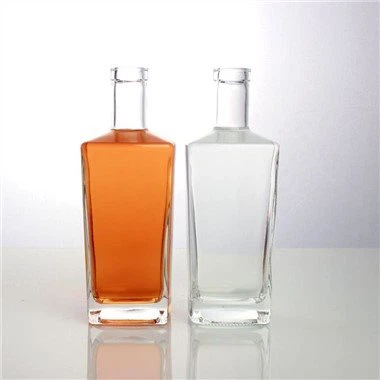
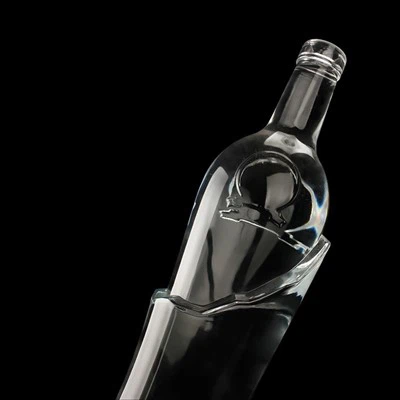
On the other hand, the 750 ml capacity is perhaps the most iconic in the spirits industry. It has become the standard size for many premium and luxury spirits, symbolizing quality and sophistication. The Irregularly Shaped 750ml Borosilicate Bottle is a prime example of how this capacity can be combined with unique design elements to create a standout product.
Factors Influencing Capacity Selection
Several factors come into play when determining the appropriate capacity for a spirit bottle. One of the primary considerations is the target market. Different regions and consumer demographics have varying preferences when it comes to bottle sizes. For example, in some countries, larger bottle sizes are more popular for home consumption, while smaller sizes are preferred for on-the-go or gift-giving purposes.
Another important factor is the type of spirit being bottled. Some spirits, such as high-proof liquors, may be more commonly available in smaller sizes due to their potency. Conversely, liqueurs and flavored spirits may be offered in larger sizes to accommodate their lower alcohol content and broader appeal.
Brand positioning also plays a significant role in capacity selection. Premium brands often opt for larger bottle sizes to convey a sense of luxury and exclusivity. In contrast, budget-friendly brands may choose smaller sizes to offer a more affordable option to price-sensitive consumers.
The Impact of Capacity on Packaging and Design
The capacity of a spirit bottle has a direct impact on its packaging and design. Larger bottles typically require more substantial packaging materials to ensure proper protection during transportation and storage. This can include custom-made boxes, foam inserts, and protective sleeves.
In addition to practical considerations, the capacity of a bottle can also influence its aesthetic appeal. Designers often use the bottle's size and shape to create a unique visual identity for the brand. For example, a tall, slender bottle may convey elegance and sophistication, while a short, stout bottle may suggest a more robust and hearty spirit.
The Black Spraying 750ml Liquor Glass Bottle is a great example of how capacity and design can work together to create a striking product. The 750 ml capacity provides a generous amount of liquor, while the black spraying adds a touch of mystery and allure.
Meeting Consumer Needs and Preferences
As a spirit bottle supplier, it's essential to stay attuned to consumer needs and preferences. This means offering a diverse range of bottle capacities to meet the demands of different markets and consumers. In addition to standard sizes, we also offer custom-sized bottles to accommodate specific brand requirements.
We understand that consumers are increasingly looking for unique and innovative packaging solutions. That's why we're constantly exploring new materials, designs, and technologies to create spirit bottles that stand out from the competition. Whether it's a sleek and modern design or a traditional and classic look, we have the expertise and resources to bring your vision to life.
The Future of Spirit Bottle Capacities
The spirits industry is constantly evolving, and so are the trends in spirit bottle capacities. As consumer preferences continue to change, we can expect to see new and innovative bottle sizes emerge. For example, there may be an increased demand for smaller, single-serve bottles for on-the-go consumption, as well as larger, family-sized bottles for home entertaining.
In addition to changing consumer preferences, regulatory requirements and environmental concerns are also likely to influence the future of spirit bottle capacities. For example, some countries may introduce stricter regulations on packaging waste, which could lead to a shift towards more sustainable bottle sizes and materials.
Contact Us for Your Spirit Bottle Needs
If you're in the market for high-quality spirit bottles, look no further. As a leading spirit bottle supplier, we offer a wide range of capacities, designs, and materials to meet your specific needs. Whether you're a small craft distillery or a large multinational brand, we have the expertise and resources to provide you with the perfect solution.


Contact us today to discuss your spirit bottle requirements and learn more about our products and services. We look forward to working with you to create a unique and memorable packaging solution for your spirits.
References
- "The Art of Packaging: How to Design a Bottle That Sells" by Packaging Digest
- "Spirits Industry Trends and Insights" by IWSR Drinks Market Analysis
- "Consumer Preferences in Spirit Packaging" by Mintel