Bottle caps, those small yet essential components of our daily lives, often go unnoticed in terms of their environmental impact. As a bottle cap supplier, I've had the opportunity to closely examine the lifecycle of these products and understand the various ways they interact with the environment. In this blog, I'll delve into the environmental implications of bottle caps, exploring both the negative and positive aspects, and discuss how we can mitigate their impact.
The Negative Environmental Impacts of Bottle Caps
1. Plastic Pollution
Plastic bottle caps are a significant contributor to plastic pollution. They are small, lightweight, and easily lost or discarded. Once in the environment, they can take hundreds of years to decompose. Many plastic bottle caps end up in our oceans, where they pose a serious threat to marine life. Sea turtles, for example, often mistake floating plastic bottle caps for jellyfish and ingest them, which can lead to internal injuries, blockages, and even death.
According to a report by the Ocean Conservancy, plastic bottle caps are among the top ten most commonly found items in beach clean - ups around the world. Their small size makes them difficult to clean up, and they can accumulate in large numbers in coastal areas and the open ocean.
2. Resource Depletion
The production of bottle caps, especially those made from non - renewable resources like plastic and aluminum, contributes to resource depletion. Plastic is derived from petroleum, a finite resource. Extracting and refining petroleum to make plastic bottle caps requires a significant amount of energy and water. Similarly, aluminum production is energy - intensive, as it involves mining bauxite ore and then refining it through a complex process.
The high demand for bottle caps means that large quantities of these resources are being used up at an unsustainable rate. This not only depletes natural resources but also has a significant carbon footprint due to the energy consumed during the production process.
3. Landfill Accumulation
When bottle caps are discarded, they often end up in landfills. Since they are small and do not break down easily, they take up space in landfills for a long time. Landfills are a major source of greenhouse gas emissions, as the decomposition of organic waste in landfills produces methane, a potent greenhouse gas. Although bottle caps are not organic, their presence in landfills adds to the overall waste volume, which can exacerbate the environmental problems associated with landfilling.


Positive Environmental Aspects of Bottle Caps
1. Recycling Potential
One of the positive aspects of bottle caps is their recycling potential. Aluminum bottle caps, in particular, are highly recyclable. Recycling aluminum requires only about 5% of the energy needed to produce new aluminum from bauxite ore. This means that recycling aluminum bottle caps can significantly reduce energy consumption and greenhouse gas emissions.
Plastic bottle caps can also be recycled, although the process is more complex. Some types of plastic bottle caps can be recycled into new plastic products, such as furniture, outdoor decking, and even new bottle caps. Recycling helps to conserve resources and reduce the amount of waste going to landfills.
2. Preservation of Contents
Bottle caps play a crucial role in preserving the contents of bottles. They prevent leakage, contamination, and spoilage, which can reduce food and beverage waste. By keeping products fresh and usable for longer periods, bottle caps indirectly contribute to environmental sustainability by reducing the amount of wasted resources associated with producing, transporting, and disposing of spoiled products.
Mitigating the Environmental Impact of Bottle Caps
1. Design for Recycling
As a bottle cap supplier, we can play a key role in promoting recycling by designing bottle caps that are easier to recycle. This includes using materials that are more compatible with existing recycling systems and ensuring that bottle caps can be easily separated from bottles. For example, some bottle caps are now designed to be attached to the bottle during use and recycling, which reduces the likelihood of them being lost and increases the chances of them being recycled.
2. Promote Sustainable Materials
We can also promote the use of more sustainable materials in bottle cap production. For example, biodegradable plastics made from plant - based materials are becoming more popular. These plastics break down more quickly in the environment, reducing the risk of long - term pollution. Another option is to use recycled materials in the production of bottle caps, which helps to close the loop and reduce the demand for virgin resources.
3. Educate Consumers
Educating consumers about the environmental impact of bottle caps and the importance of recycling is crucial. We can provide information on how to properly recycle bottle caps and encourage consumers to make more sustainable choices. For example, we can include recycling instructions on product packaging or launch awareness campaigns to promote the recycling of bottle caps.
Our Product Offerings and Their Environmental Considerations
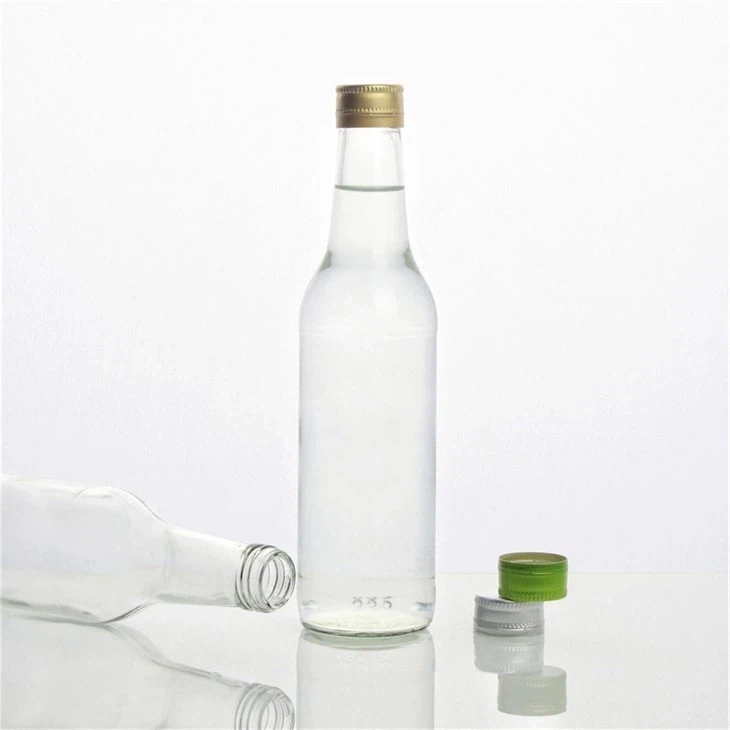
At our company, we offer a wide range of bottle caps, including Wine Aluminum Screw Cap, GPI 400/28 Aluminum Screw Cap, and 30*60mm Wine Aluminum Screw Cap. Our aluminum screw caps are not only durable and functional but also highly recyclable. By choosing our aluminum bottle caps, customers can contribute to reducing the environmental impact associated with bottle cap production and disposal.
We are also constantly exploring new materials and designs to make our bottle caps even more sustainable. We are committed to working with our customers to find the best solutions for their packaging needs while minimizing the environmental impact.
Conclusion
Bottle caps have both negative and positive environmental impacts. While they contribute to plastic pollution, resource depletion, and landfill accumulation, they also have the potential for recycling and play a role in preserving the contents of bottles. As a bottle cap supplier, we have a responsibility to minimize the negative environmental impacts of our products and maximize their positive contributions.
By designing for recycling, promoting sustainable materials, and educating consumers, we can make a significant difference. We encourage our customers to consider the environmental impact of their packaging choices and to work with us to find more sustainable solutions. If you are interested in learning more about our bottle cap products or have any questions about their environmental impact, please feel free to contact us for a procurement discussion.
References
- Ocean Conservancy. (Year). State of the Ocean Report.
- Aluminum Association. (Year). Recycling Aluminum: Energy and Environmental Benefits.
- Plastic Recycling Association. (Year). Guide to Plastic Bottle Cap Recycling.