Is ice wine in a bottle high in sugar?

As a supplier of Ice Wine Bottles, I've heard many inquiries about the sugar content of ice wine. Ice wine is a unique and exquisite beverage that has gained popularity worldwide. In this blog, I'll explore the sugar aspects of ice wine in a bottle and provide you with scientific and practical knowledge.
First, let's understand what ice wine is. Ice wine is a type of dessert wine made from grapes that have been frozen while still on the vine. The freezing process concentrates the sugars and flavors in the grapes. When these frozen grapes are pressed, a small amount of highly concentrated juice is obtained, which is then fermented to produce ice wine.
The sugar content in ice wine is typically much higher compared to regular table wines. Regular table wines usually have a residual sugar level of around 0.1% - 1%. In contrast, ice wine can have a residual sugar content ranging from 120 grams per liter to over 200 grams per liter. This high sugar content is a result of the natural concentration of sugars during the freezing of the grapes.
The high sugar in ice wine also gives it a distinct taste profile. Ice wine is known for its sweet, rich, and intense flavor. You can often taste notes of ripe fruits such as apricots, peaches, and tropical fruits, along with floral and honey - like undertones. The sweetness is balanced by the wine's acidity, which prevents it from being overly cloying. This balance between sweetness and acidity is what makes ice wine so appealing to wine enthusiasts.
However, not all ice wines have the exact same sugar level. There are several factors that can influence the sugar content in a bottle of ice wine. The grape variety is one of them. Different grape varieties have different natural sugar levels. For example, Riesling and Vidal Blanc are two popular varieties used to make ice wine. Riesling - based ice wines may have a slightly different sugar and flavor profile compared to those made from Vidal Blanc. In general, Vidal Blanc often produces ice wines with a bit more robust sugar and flavor concentration.
The region where the grapes are grown also matters. Climate conditions play a crucial role in grape ripening and the freezing process. Colder regions like Canada (especially Ontario) and some parts of Germany are well - known for ice wine production. The cold climate in these areas allows the grapes to freeze at the right time, ensuring a proper concentration of sugars. In regions with milder winters, it might be more challenging to achieve the ideal freezing conditions, which could potentially affect the sugar content and quality of the ice wine.
Another important factor is the winemaking process. The length of fermentation can impact the final sugar level. If the fermentation is stopped early, more residual sugar will remain in the wine. Winemakers carefully control the fermentation process to achieve the desired balance between alcohol, sugar, and acidity.
As a supplier of Ice Wine Blue Bottle, we understand that the packaging is just as important as the wine inside. The bottle is designed not only to preserve the quality of the ice wine but also to enhance its visual appeal. The blue bottle, for instance, can help protect the wine from harmful UV rays, which can degrade the wine's flavor and quality over time.
When it comes to the consumption of ice wine, the high sugar content should be considered. Ice wine is often served in smaller quantities, typically in dessert wine glasses. This is not only because of its high - end nature but also due to its rich and sweet taste. A small amount can go a long way in terms of flavor enjoyment. Moreover, ice wine is typically paired with desserts or various types of cheeses. The sweetness of the wine can complement the richness of the dessert, creating a harmonious flavor combination. For example, a glass of ice wine can pair beautifully with a slice of fruit tart or a piece of creamy blue cheese.
If you're concerned about the sugar in ice wine from a health perspective, it's important to note that moderation is key. While the high - sugar content means that ice wine contains more calories compared to regular table wines, enjoying it occasionally as part of a balanced diet can still be a part of a healthy lifestyle.
For those in the wine business or individuals interested in ice wine for personal consumption, understanding the sugar content in a bottle of ice wine is essential. Whether you're a retailer, a sommelier, or a wine enthusiast, knowing the details about the sugar level can help you make informed decisions when it comes to purchasing, serving, and pairing ice wine.
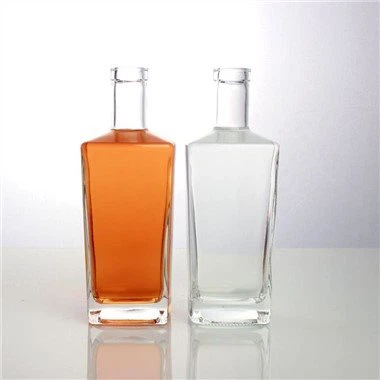
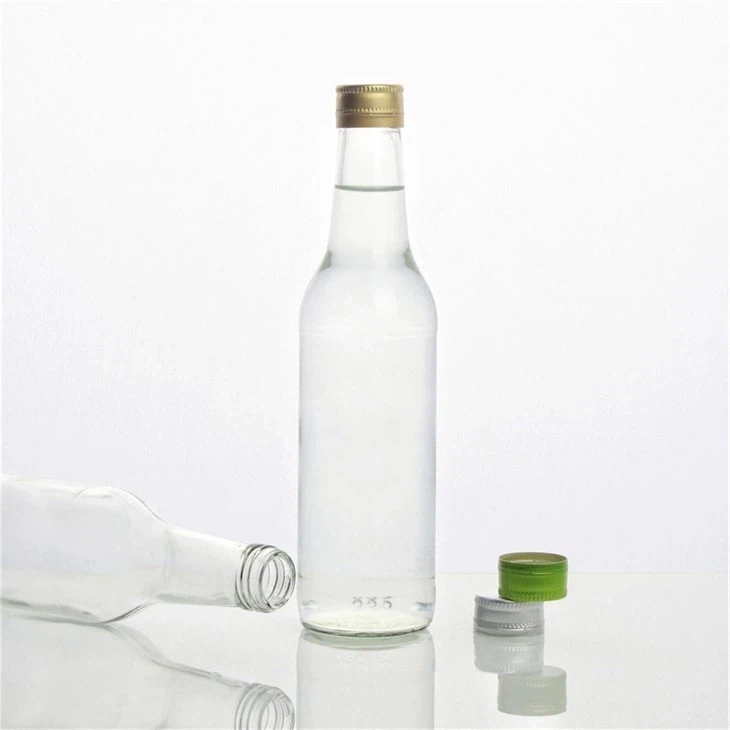
At our company, we are committed to providing high - quality Ice Wine Bottles to meet the diverse needs of the wine industry. Our bottles are designed to ensure the best preservation of ice wine, maintaining its unique flavor and aroma. If you're in the market for Ice Wine Bottles or have any questions about our products, we'd love to have a conversation with you. Whether you're just starting out in the ice wine business or looking to upgrade your current packaging, we can offer professional advice and solutions tailored to your specific requirements.
In conclusion, ice wine in a bottle is indeed high in sugar, which is a characteristic that contributes to its unique and delicious taste. With proper understanding and handling, ice wine can be a wonderful addition to any wine collection or a memorable beverage for special occasions. If you're interested in discussing ice wine bottle procurement further, please don't hesitate to reach out to us for a detailed discussion.
References
- Jackson, H. W. The World Atlas of Wine. Mitchell Beazley, 2005.
- Robinson, J. The Oxford Companion to Wine. Oxford University Press, 2006.
- Tyson, S. Ice Wine: The Definitive Guide. ECW Press, 2010.