Hey there! As a supplier of champagne bottles, I often get asked about the fermentation process of champagne and how long it takes. Well, let's dive right into it.
The Basics of Champagne Fermentation
Champagne is a sparkling wine that goes through a unique double - fermentation process. The first fermentation is similar to that of still wines. It starts with the grapes. Champagne is typically made from a blend of Chardonnay, Pinot Noir, and Pinot Meunier grapes. These grapes are harvested and then crushed to extract the juice.
The juice, or must, is then transferred to fermentation tanks. Yeast is added to the must, and it starts to convert the sugars in the grape juice into alcohol and carbon dioxide. This first fermentation usually takes about 1 to 2 weeks. During this time, the winemakers closely monitor the temperature, sugar levels, and alcohol content. A proper temperature is crucial as it affects the yeast activity. If it's too cold, the yeast might become dormant, and if it's too hot, the yeast can die, ruining the fermentation process.
After the first fermentation, the wine is called the "base wine." It has an alcohol content of around 10 - 12% ABV (alcohol by volume). This base wine is then blended. Blending is an art in champagne production. Winemakers combine different base wines from various grape varieties, vineyards, and harvests to create a consistent flavor profile year after year.
The Second Fermentation: In - Bottle Magic
Now, here comes the really interesting part - the second fermentation. This is what gives champagne its famous bubbles. The blended base wine is bottled, and a mixture called the "liqueur de tirage" is added. The liqueur de tirage consists of yeast, sugar, and some nutrients.
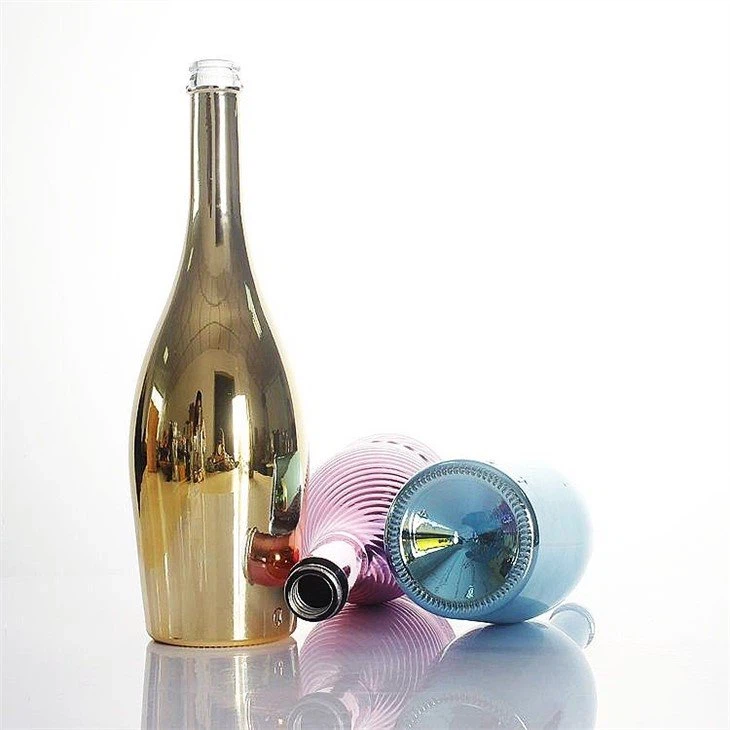
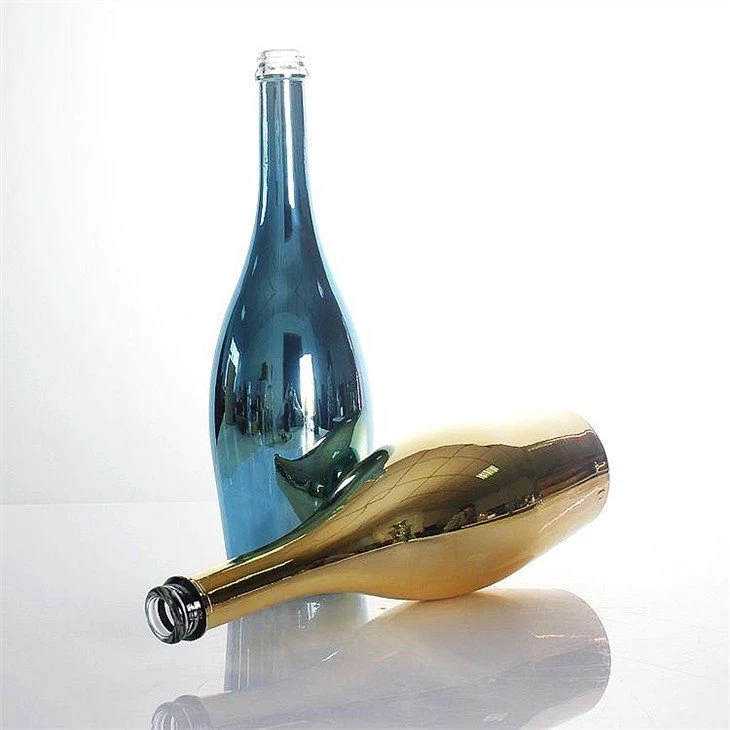
Once the bottle is sealed with a crown cap (similar to a beer bottle cap), the yeast in the liqueur de tirage starts to work its magic again. It ferments the added sugar, producing more alcohol and carbon dioxide. But this time, since the wine is in a sealed bottle, the carbon dioxide has nowhere to go. It gets dissolved in the wine, creating those tiny bubbles we love.
The second fermentation is a much slower process compared to the first one. The minimum time for this in - bottle fermentation, according to the Champagne AOC (Appellation d'Origine Contrôlée) regulations, is 15 months for non - vintage champagnes. However, most producers let their champagnes age for much longer.
For vintage champagnes, which are made from grapes harvested in a single year, the minimum aging requirement is 3 years. But many high - end champagne houses age their vintage champagnes for 5, 7, or even 10 years. The longer the aging, the more complex the flavors become. During this aging period, the yeast cells break down and release various compounds that give champagne its rich, toasty, and nutty flavors.
Factors Affecting Fermentation Time
There are several factors that can affect how long the fermentation process takes. One of the main factors is the temperature. As I mentioned earlier, yeast is very sensitive to temperature. In general, a cooler temperature will slow down the fermentation process, while a warmer temperature will speed it up. However, winemakers usually aim for a relatively cool and stable temperature during the second fermentation to ensure a slow and controlled process.
The type of yeast used also plays a role. Different strains of yeast have different fermentation rates. Some yeasts are known for producing a more rapid fermentation, while others work more slowly. Winemakers choose the yeast based on the flavor profile they want to achieve and the desired fermentation time.
The amount of sugar in the liqueur de tirage can also impact the fermentation time. More sugar means more food for the yeast, which can lead to a longer fermentation as the yeast has more to consume.
Why the Long Wait?
You might be wondering why champagne producers go through all this trouble and wait so long. Well, the long fermentation and aging process are what make champagne so special. The extended time in the bottle allows the flavors to develop and meld together. It gives the champagne its characteristic complexity, depth, and smoothness.
When you pop open a well - aged champagne, you're not just drinking a fizzy wine. You're experiencing the result of months or even years of careful craftsmanship. The bubbles are finer, the flavors are more intense, and the overall drinking experience is much more enjoyable.
Our Champagne Bottles
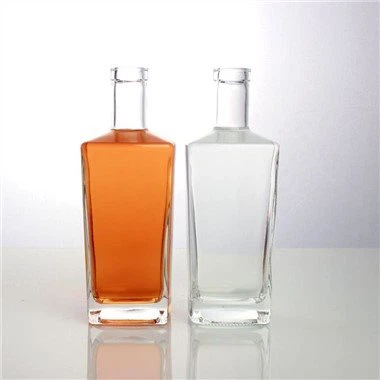
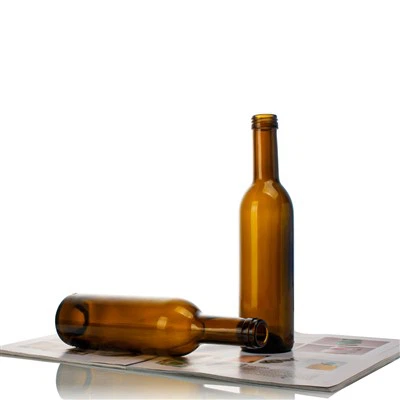
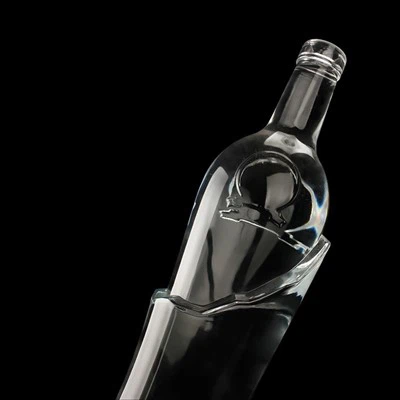
At our company, we understand the importance of high - quality bottles for champagne. We offer a wide range of options, including Personalised Champagne Bottle, Champagne Glass Bottle, and Gold Champagne Bottle. Our bottles are designed to withstand the pressure of the second fermentation and preserve the quality of the champagne inside.
Whether you're a small - scale champagne producer or a large - scale winery, we have the right bottle for you. Our bottles are made from high - quality materials and are available in different sizes and styles.
Contact Us for Your Champagne Bottle Needs
If you're in the market for champagne bottles, we'd love to hear from you. Whether you have questions about our products, need a custom order, or just want to learn more about champagne bottle production, don't hesitate to reach out. We're here to help you find the perfect bottles for your champagne.
References
- Robinson, J., Harding, J., & Vouillamoz, J. (2012). Wine Grapes: A complete guide to 1,368 vine varieties, including their origins and flavors. Allen & Unwin.
- Jackson, H. (2008). The World Encyclopedia of Wine. DK Publishing.