Hey there! As a food bottle supplier, I've seen my fair share of food sticking issues in bottles. It's a common problem that can be a real pain in the neck, whether you're a home cook or a big - time food producer. But don't worry, I'm here to share some tips on how to prevent food from sticking in a food bottle.
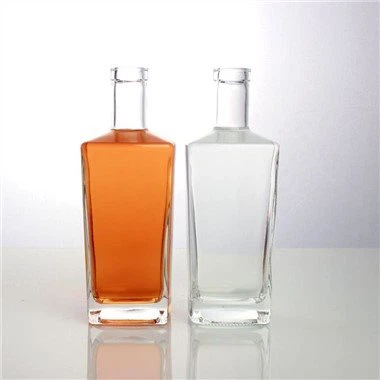
First off, let's talk about the type of bottle you're using. We offer a wide range of bottles, like the Olive Oil Glass Bottle. Glass bottles are a great choice because they're non - reactive and easy to clean. They don't absorb flavors or odors, which means your food will stay fresh and won't stick as easily. The smooth surface of glass also makes it harder for food particles to cling on.
Another option is the Essential Oil Dropper Bottle. These bottles are often used for liquid or semi - liquid foods. Their design, with a dropper, can help control the flow of the food, reducing the chances of spills and sticking. The narrow opening also means there's less surface area for the food to come into contact with and stick to.


Now, onto the preparation before filling the bottle. Make sure the bottle is clean and dry. Any leftover residue or moisture can cause the food to stick. You can wash the bottle with warm, soapy water and then rinse it thoroughly. After that, let it air - dry completely. If you're in a hurry, you can use a clean towel to dry it, but make sure the towel is lint - free so no fibers get left behind in the bottle.
For some types of food, like thick sauces or pastes, you can coat the inside of the bottle with a thin layer of oil. This creates a barrier between the food and the bottle surface. You can use cooking oil, like olive oil, for this purpose. Just pour a little bit into the bottle, swirl it around to cover all the inner surfaces, and then pour out the excess. This simple step can make a huge difference in preventing sticking.
When filling the bottle, be careful not to overfill it. Leave some headspace at the top. This gives the food room to move around a bit without getting squeezed against the sides of the bottle. If the food is packed too tightly, it's more likely to stick. You can use a funnel to make the filling process neater and more controlled.
If you're storing the bottle for a long time, consider the temperature. Extreme temperatures can cause the food to expand or contract, which might lead to sticking. Try to store the bottles in a cool, dry place. Avoid direct sunlight and areas with high humidity.
For foods that tend to settle and harden over time, like honey or jam, you can gently heat the bottle in a warm water bath. This will soften the food and make it easier to pour out. Just make sure the water isn't too hot, or you might damage the bottle.
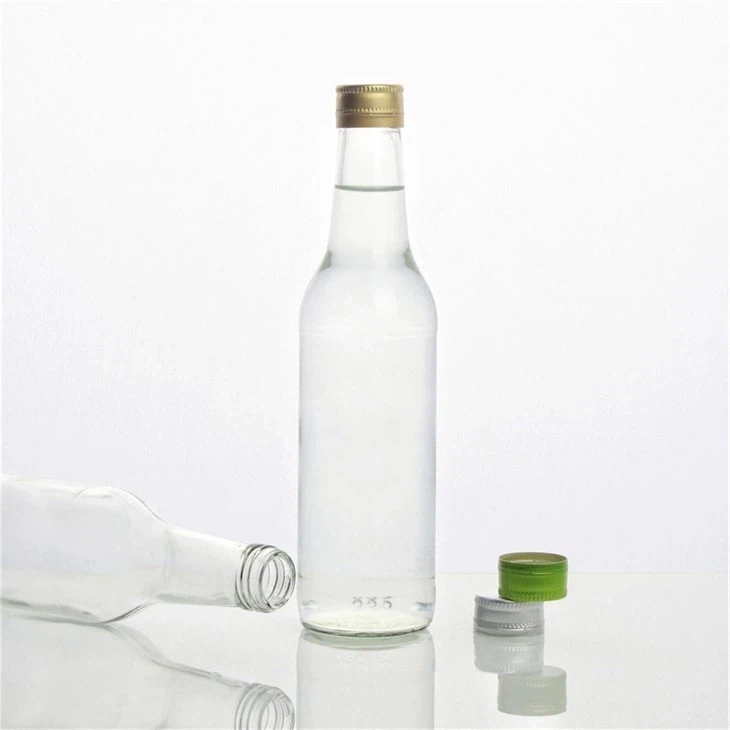
Let's also talk about the Transparent Multi - Size Olive Oil Glass Bottle. The transparency of these bottles is great because you can easily see how much food is left inside. The multi - size option means you can choose the right bottle for the amount of food you have. A well - sized bottle reduces the chances of the food being too loose or too tight inside.
Cleaning the bottle after use is crucial to prevent future sticking. If food is left to dry and harden in the bottle, it will be much more difficult to remove later. As soon as you've emptied the bottle, start the cleaning process. If the food is stubborn, you can soak the bottle in warm, soapy water for a while. For really tough stains, you can use a bottle brush to scrub the inside.
In some cases, you can add anti - sticking agents to the food itself. There are some food - grade additives available that can reduce the stickiness of the food. However, make sure to check the regulations and safety guidelines before using any additives, especially if you're producing food for sale.
If you're dealing with a bottle that already has stuck food, don't panic. You can try soaking the bottle in a mixture of vinegar and water. The acidic nature of vinegar can help break down the food particles. Let the bottle soak for a few hours or overnight, and then try to wash it again.
To sum it up, preventing food from sticking in a food bottle involves choosing the right bottle, proper preparation, careful filling, and good storage. By following these tips, you can make your life easier when it comes to using and cleaning food bottles.
If you're in the market for high - quality food bottles, we've got you covered. Our bottles are designed to meet the needs of different types of food and users. Whether you're a home cook looking for a small bottle for your homemade sauce or a business owner in need of bulk orders, we can provide the right solutions. Contact us to start a procurement discussion and find out how our food bottles can work for you.
References
- "Food Packaging: Principles and Practice" by Yam, K. L., & Lee, S. Y.
- "The Science of Food Packaging" - Various industry research papers on food - bottle interactions.