Hey there! I'm a supplier of beverage bottles, and today I wanna chat about how these bottles prevent leakage. It's a crucial aspect, especially when you're dealing with all sorts of beverages, from milk to water and beyond.
The Basics of Leak - Prevention
Let's start with the fundamental design elements. The first thing that comes to mind is the bottle's shape. A well - designed bottle should have a smooth and consistent wall thickness. If there are thin spots in the bottle wall, it can lead to weak points where leakage might occur. For example, during the manufacturing process, if the plastic or glass isn't evenly distributed, it can create areas that are more prone to cracking or breaking.
The material of the bottle also plays a huge role. For plastic bottles, high - quality polymers are used. These polymers are chosen for their strength and flexibility. They can withstand the pressure changes that might happen inside the bottle, like when the beverage is carbonated. Glass bottles, on the other hand, are known for their durability. They don't react with most beverages, and their solid structure provides a good barrier against leakage.
The Role of Caps and Seals
Caps and seals are like the guardians of a beverage bottle. They are the first line of defense against leakage. There are different types of caps available, and each has its own way of preventing liquid from escaping.
Screw - on Caps
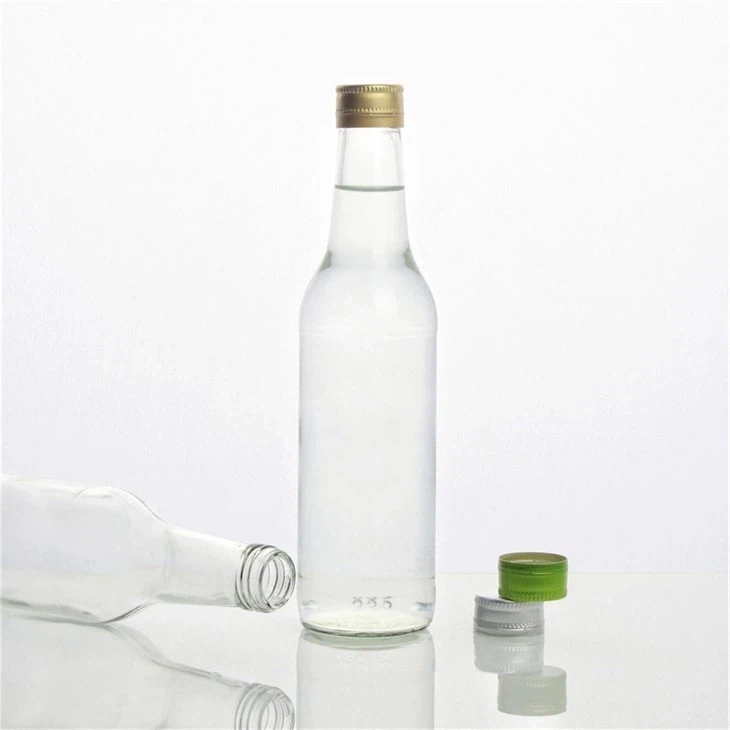
Screw - on caps are one of the most common types. They work by creating a tight seal when screwed onto the bottle neck. The threads on the cap and the bottle neck are designed to fit together perfectly. When you screw the cap on tightly, it compresses a sealing ring inside the cap against the bottle opening. This compression creates a barrier that stops the beverage from leaking out. For example, our Small Milk Bottle often comes with a screw - on cap. The cap is designed to fit snugly, and the sealing ring ensures that the milk stays fresh and doesn't leak.
Swing Caps
Swing caps are another interesting option. They are convenient for on - the - go use. The 750ml Beverage Bottle With Swing Cap is a great example. These caps are attached to the bottle with a hinge, and they can be easily opened and closed. To prevent leakage, swing caps have a rubber or silicone seal that presses against the bottle opening when closed. This seal forms a tight fit, keeping the beverage inside the bottle.
Corks and Stoppers
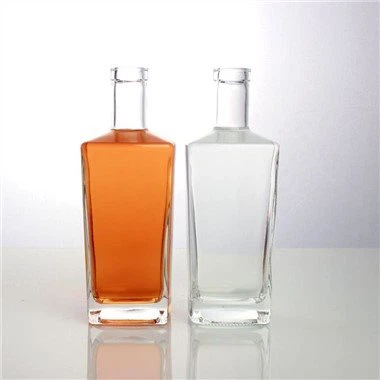
For some glass bottles, like our 750ml Water Glass Bottle, corks or stoppers are used. Corks are made from natural materials and have a porous structure that can expand slightly when inserted into the bottle neck. This expansion creates a tight seal. Stoppers, on the other hand, can be made from rubber or plastic. They are designed to fit tightly into the bottle opening, preventing any liquid from seeping out.
Testing for Leakage
As a beverage bottle supplier, we take leakage prevention very seriously. We conduct various tests to ensure that our bottles are leak - proof.
Pressure Testing
Pressure testing is a common method. We place the filled bottles in a pressure chamber and increase the pressure inside. If there are any weak points or leaks in the bottle, the liquid will start to escape under the increased pressure. This test helps us identify and fix any potential problems before the bottles are sent out to customers.
Drop Testing
Drop testing is another important test. We drop the filled bottles from a certain height onto a hard surface. This simulates the real - world scenario of a bottle being dropped accidentally. If the bottle can withstand the impact without leaking, it means it has a good design and structure.


Environmental Factors and Leakage
Environmental factors can also affect a bottle's ability to prevent leakage. Temperature changes, for example, can cause the beverage inside the bottle to expand or contract. If the bottle and its cap aren't designed to handle these changes, it can lead to leakage.
High - temperature environments can soften plastic bottles, making them more prone to deformation and leakage. On the other hand, low - temperature environments can make the materials more brittle, increasing the risk of cracking. To combat these issues, we use materials that have a wide temperature tolerance. Our bottles are designed to withstand a range of temperatures without losing their integrity.
Quality Control in Production
Quality control is essential at every stage of the production process. From the raw materials to the finished product, we have strict quality control measures in place.
We carefully select the raw materials based on their quality and suitability for beverage packaging. During the manufacturing process, we monitor every step to ensure that the bottles are made to the highest standards. This includes checking the wall thickness, the shape of the bottle, and the fit of the caps.
Once the bottles are finished, they go through a final inspection. We check for any visible defects, such as cracks, scratches, or misaligned caps. Only bottles that pass our strict quality control tests are sent out to customers.
Conclusion
So, there you have it! That's how beverage bottles prevent leakage. From the design of the bottle itself to the caps and seals, and the rigorous testing and quality control measures, every aspect plays a crucial role.
If you're in the market for high - quality beverage bottles that are leak - proof, we'd love to hear from you. Whether you need small milk bottles, bottles with swing caps, or glass water bottles, we've got you covered. Reach out to us for a chat about your specific needs and let's work together to find the perfect beverage bottle solution for you.
References
- Packaging Technology Handbook, Third Edition by Wilmer A. Hall
- Food Packaging: Principles and Practice by Yanyun Zhao