Do liquor bottles affect the taste of the liquor? This is a question that has intrigued many in the world of spirits, from casual drinkers to connoisseurs and industry professionals. As a liquor bottle supplier, I've had countless discussions with clients about the role of the bottle in the overall liquor experience. In this blog, we'll explore the scientific and practical aspects of how liquor bottles can potentially influence the taste of the liquor they hold.
The Material of the Liquor Bottle
One of the most significant factors is the material of the bottle. The most common materials for liquor bottles are glass and plastic. Glass has long been the preferred choice for high - end and premium liquors. It is inert, meaning it does not react chemically with the liquor inside. This is crucial because any chemical reaction could alter the flavor profile of the liquor.
For example, glass is impermeable to oxygen, which is both a friend and a foe to liquor. A small amount of oxygen can help in the aging process of some liquors, like whiskey. It allows the flavors to mellow and develop over time. However, too much oxygen can lead to oxidation, which can cause the liquor to lose its freshness and develop off - flavors. Glass bottles, especially those with a good seal, can control the amount of oxygen that enters the bottle, thus preserving the taste of the liquor.
On the other hand, plastic bottles are more permeable to oxygen and other gases. They can also potentially leach chemicals into the liquor. Some lower - cost liquors are packaged in plastic bottles, and while they are convenient for certain applications, they may not offer the same level of taste preservation as glass bottles. If you're interested in high - quality glass bottles for your liquor, you can check out our Glass Liquor Bottle collection.
The Shape of the Liquor Bottle
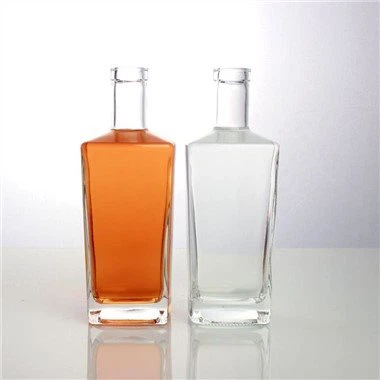
The shape of the liquor bottle can also have an impact on the taste, although in a more indirect way. Different bottle shapes can affect the amount of surface area of the liquor that is exposed to the air inside the bottle. For instance, Flat Shape Bottles have a larger surface area compared to round bottles of the same volume. This means that there is more contact between the liquor and the air, which can accelerate the oxidation process.
In some cases, this can be beneficial. If you're looking to age a liquor more quickly, a flat - shaped bottle might be a good choice. However, if you want to preserve the original flavor of the liquor for a longer time, a round bottle with a smaller surface - to - volume ratio might be more suitable.
The shape of the bottle can also affect the way the liquor is poured. Some bottles are designed with a narrow neck, which can slow down the pour and allow the drinker to savor the aroma of the liquor as it is being poured. This can enhance the overall sensory experience and, in a way, influence the perception of the taste.
The Color of the Glass
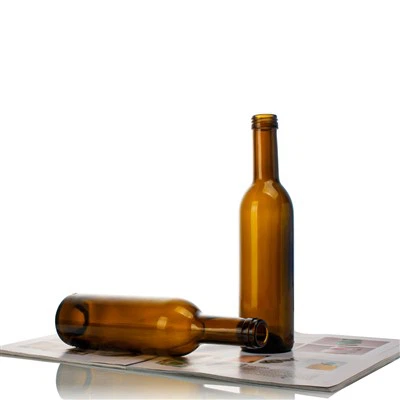
When it comes to glass liquor bottles, the color of the glass is another important factor. Dark - colored glass, such as amber or green, can protect the liquor from sunlight. Sunlight contains ultraviolet (UV) rays, which can break down the chemical compounds in the liquor and cause it to develop off - flavors. This is particularly important for liquors that are sensitive to light, like beer and some types of white wine.
Clear glass bottles, while aesthetically pleasing, offer no protection from UV rays. Therefore, if a liquor is stored in a clear glass bottle and exposed to sunlight for an extended period, its taste can be negatively affected. Many high - quality liquors are stored in dark - colored glass bottles to ensure the preservation of their flavor. Our 750 Classic Glass Bottle comes in various colors, allowing you to choose the one that best suits the needs of your liquor.
The Seal of the Bottle
The seal of the liquor bottle is perhaps the most critical factor in preserving the taste of the liquor. A good seal prevents oxygen and other contaminants from entering the bottle. There are different types of seals, including corks, screw - caps, and synthetic stoppers.
Corks have been used for centuries and are still popular for high - end wines and some liquors. They allow a very small amount of oxygen to enter the bottle, which can be beneficial for aging. However, corks can also be prone to cork taint, a musty off - flavor caused by a chemical compound called trichloroanisole (TCA).
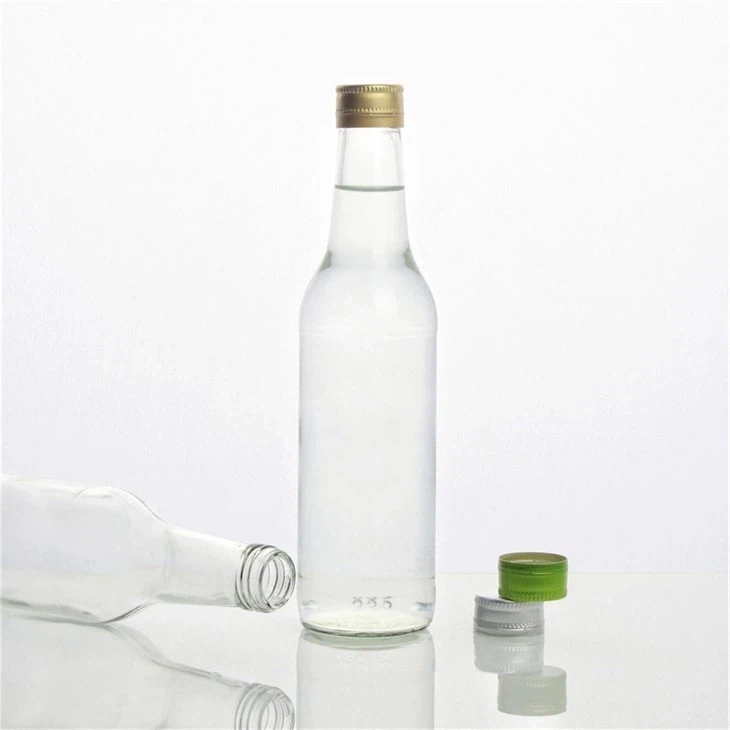
Screw - caps are becoming more popular, especially for wines and some liquors. They provide an airtight seal, preventing oxidation and other forms of spoilage. Synthetic stoppers are a middle - ground option, offering a good seal while avoiding the risk of cork taint.
Practical Considerations for Liquor Producers
As a liquor bottle supplier, I understand the importance of choosing the right bottle for your product. Liquor producers need to consider the type of liquor they are producing, its intended aging process, and its target market. For example, if you're producing a premium whiskey that is meant to be aged for a long time, a dark - colored glass bottle with a good cork seal might be the best choice.


If you're targeting a younger, more casual market, a plastic bottle or a unique - shaped glass bottle might be more appealing. However, you still need to ensure that the bottle preserves the taste of the liquor. It's also important to consider the cost of the bottle, as this can have a significant impact on the overall production cost.
Conclusion
In conclusion, liquor bottles can indeed affect the taste of the liquor. The material, shape, color, and seal of the bottle all play a role in preserving or altering the flavor of the liquor. As a liquor bottle supplier, we offer a wide range of options to meet the diverse needs of liquor producers. Whether you're looking for a classic glass bottle or a unique - shaped container, we have the expertise and products to help you showcase your liquor in the best possible way.
If you're interested in discussing your liquor bottle needs, we'd love to hear from you. Contact us to start a conversation about how we can help you choose the perfect bottle for your liquor and ensure that your product tastes its best.
References
- Jackson, H. (2018). The Science of Wine and Spirits. Wine Press.
- Smith, R. (2019). Packaging and Preservation of Liquors. Beverage Industry Journal.
- Brown, A. (2020). The Impact of Bottle Design on Liquor Taste. Spirits Review Magazine.