Hey there, fellow champagne enthusiasts! As a champagne bottle supplier, I've seen it all when it comes to handling these precious vessels of bubbly goodness. One question that often pops up is, "What happens if you over - chill a champagne bottle?" Well, let's dive right in and find out.
First off, let's talk about why we chill champagne in the first place. Champagne is a sparkling wine, and the cold temperature helps to preserve its carbonation. When champagne is cold, the carbon dioxide gas that gives it those lovely bubbles is more soluble in the liquid. This means that the bubbles stay in the wine longer, and you get a fizzier, more refreshing drink. Plus, a cold champagne just tastes better—it's crisper and more refreshing, especially on a hot day or during a celebration.
But what happens when you take this chilling to the extreme? Over - chilling a champagne bottle can lead to a few different issues.
The Science Behind Over - Chilling
Champagne is a complex mixture of water, alcohol, sugars, acids, and other compounds. When you over - chill it, the physical properties of these components start to change. The solubility of carbon dioxide in water decreases as the temperature drops, but in champagne, the alcohol and other substances can affect this relationship.
At very low temperatures, the champagne can start to freeze. Champagne typically freezes at around - 5°C to - 7°C (23°F to 19°F), depending on its alcohol content. As the champagne freezes, the water in it expands. Since water expands when it turns to ice, this can put a lot of pressure on the glass bottle.
The Risks to the Bottle
One of the most obvious risks of over - chilling a champagne bottle is that the bottle could break. The expanding ice can cause the glass to crack or shatter. This is not only a waste of a good bottle of champagne but can also be dangerous. Broken glass can cause cuts, and if the bottle explodes, it can send shards flying in all directions.
Even if the bottle doesn't break, over - chilling can still damage the seal. The cork in a champagne bottle is designed to keep the carbon dioxide inside. When the champagne freezes and expands, it can push the cork out slightly. This can allow air to enter the bottle, which can oxidize the champagne and ruin its flavor.
The Impact on the Champagne's Flavor
Over - chilling can also have a negative impact on the flavor of the champagne. When champagne is too cold, our taste buds are less sensitive to its flavors. The delicate notes of fruit, floral, and yeast that make champagne so special can be masked. You might end up with a drink that just tastes cold and fizzy, without the complex flavors that you expect from a good champagne.
In addition, if the champagne has been over - chilled and then thawed, the carbonation can be affected. The ice crystals that form during freezing can disrupt the carbon dioxide bubbles. When the champagne thaws, it might not have the same level of fizz as it did before. The bubbles might be larger and less numerous, giving the champagne a flatter mouthfeel.
How to Avoid Over - Chilling
So, how can you make sure you don't over - chill your champagne? The ideal serving temperature for champagne is between 6°C and 8°C (43°F and 46°F). To achieve this, you can place the champagne in a bucket of ice and water for about 20 - 30 minutes before serving. This will cool the champagne down quickly without risking over - chilling.
If you're in a hurry, you can also put the champagne in the freezer for about 10 - 15 minutes, but make sure you set a timer. It's easy to forget about it in the freezer and end up with an over - chilled bottle.
Our Champagne Bottles
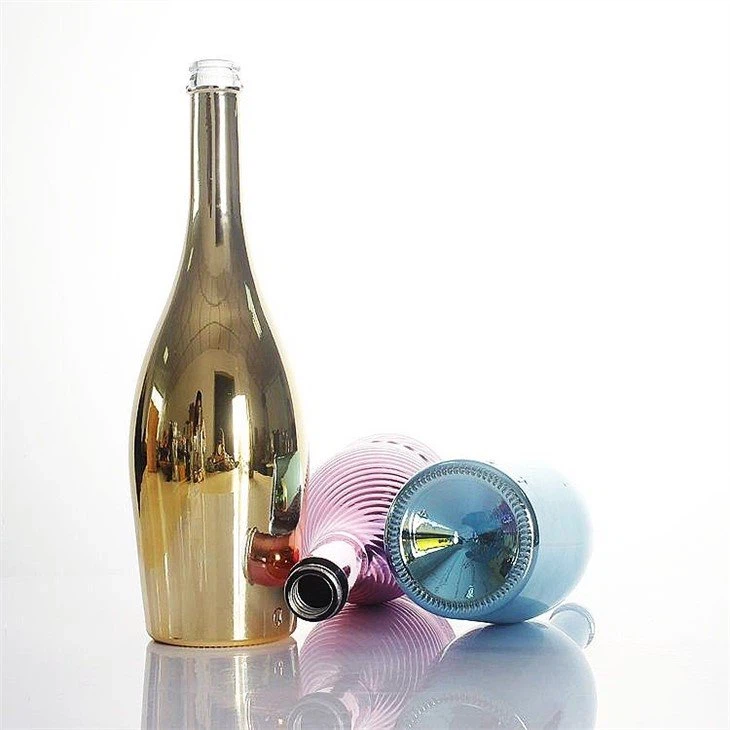
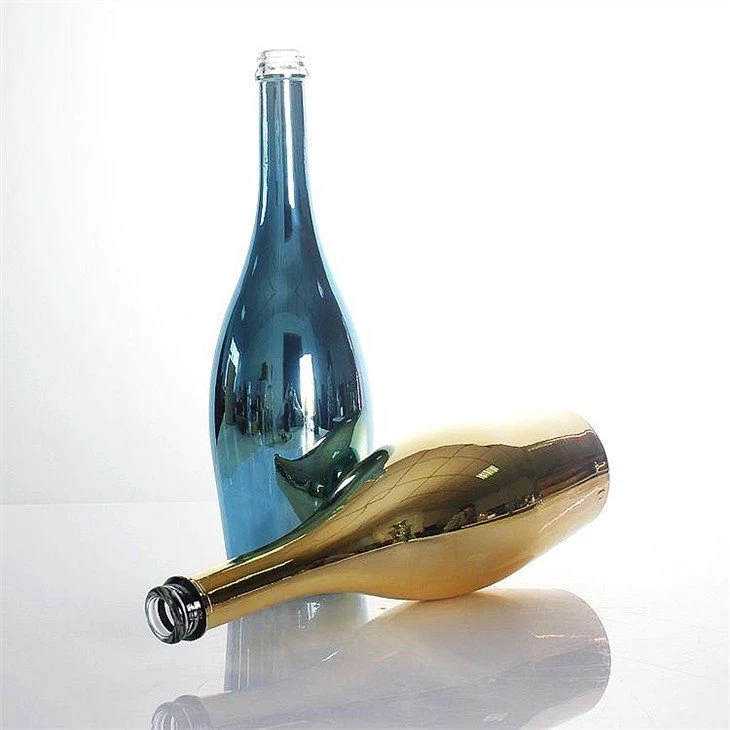
As a champagne bottle supplier, we offer a wide range of high - quality bottles to suit your needs. Whether you're looking for a Gold Champagne Bottle for a special occasion, a Personalised Champagne Bottle to add a personal touch, or a classic Champagne Glass Bottle, we've got you covered.
Our bottles are designed to withstand the rigors of champagne storage and transportation. They are made from high - quality glass that is strong and durable, and they have a perfect seal to keep your champagne fresh and fizzy.
Conclusion
In conclusion, over - chilling a champagne bottle can lead to a variety of problems, from broken bottles to ruined flavor. By understanding the science behind it and taking the right precautions, you can ensure that your champagne is always served at the perfect temperature.
If you're in the market for champagne bottles, we'd love to hear from you. Whether you're a small winery or a large distributor, we can provide you with the bottles you need at competitive prices. Contact us to start a discussion about your champagne bottle needs, and let's work together to make sure your champagne is presented in the best possible way.
References
- Jackson, H. (2018). The Science of Champagne. Wine Science Press.
- Smith, L. (2020). Champagne: A Guide to Storage and Serving. Beverage Books.