When it comes to choosing an ice wine bottle, there are several crucial factors that one should take into consideration. As an ice wine bottle supplier, I have witnessed firsthand the diverse needs and preferences of clients, and I am more than happy to share some insights on this matter.
Material Quality
The material of the ice wine bottle is of utmost importance. Typically, glass is the primary choice for ice wine bottles due to its excellent properties. High - quality glass provides a stable environment for the wine, protecting it from external influences such as oxygen and light. For ice wine, which is often a premium product, borosilicate glass can be an ideal option. It has a low coefficient of thermal expansion, which means it can withstand temperature changes without cracking. This is particularly important for ice wine, as it is usually stored at relatively low temperatures.
Another aspect of material quality is the thickness of the glass. A thicker glass bottle not only gives a more substantial and luxurious feel but also offers better protection for the precious ice wine inside. Thicker glass can buffer against minor impacts during transportation and storage, reducing the risk of bottle breakage.
Design and Aesthetics
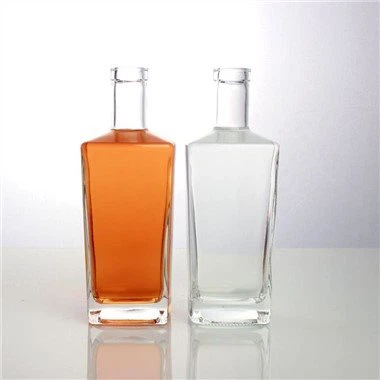
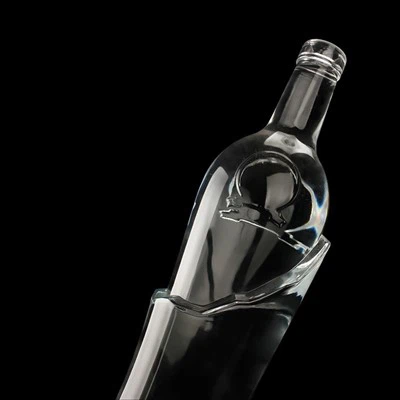
Design plays a significant role in the appeal of an ice wine bottle. The shape of the bottle can vary, from classic, slender designs to more unique and contemporary shapes. Classic shapes often evoke a sense of tradition and elegance, which can be very appealing to consumers who appreciate the heritage of wine. On the other hand, modern and eye - catching designs can attract younger consumers or those who are looking for something different.
Labels and branding on the bottle are also key elements. They should be clear, well - printed, and durable. The label should convey important information about the ice wine, such as the vintage, grape variety, and origin. A good label design can enhance the overall aesthetic of the bottle and make it stand out among competitors on the shelves.
For example, our Ice Wine Blue Bottle features a beautiful blue - tinted glass that not only looks stunning but also provides some protection against harmful UV rays. The label is carefully designed to showcase the key features of the wine, making it an attractive option for both producers and consumers.
Closure Type
The closure of an ice wine bottle is another critical factor. The most common types of closures for ice wine are corks and screw caps.
Cork has long been associated with high - quality wines. It is a natural material that allows a small amount of oxygen to enter the bottle over time, which can contribute to the aging and development of the wine. A good cork should fit tightly into the bottle neck to prevent leakage and excessive oxygen ingress. However, corks also have some drawbacks, such as the risk of cork taint, which can spoilage the wine.
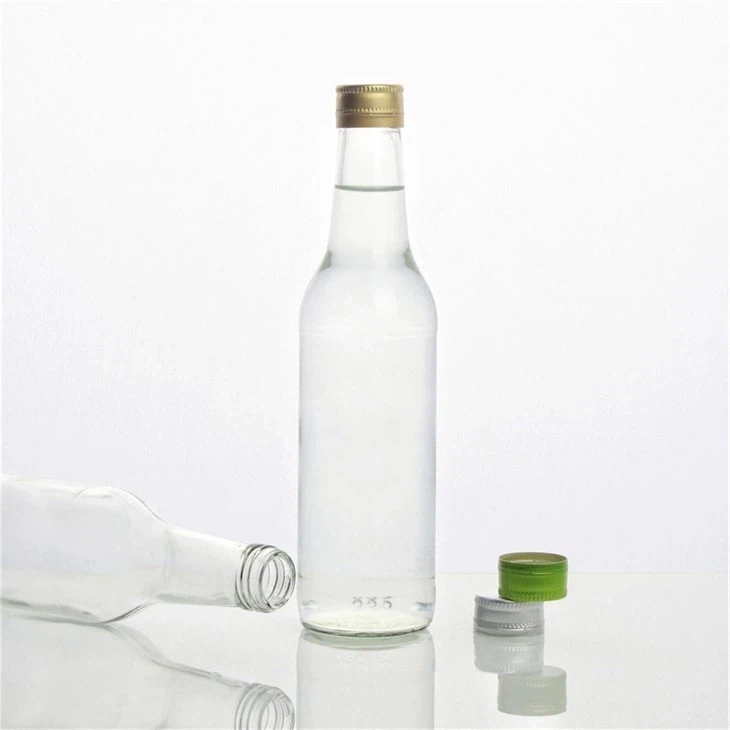
Screw caps, on the other hand, are becoming increasingly popular. They provide a more reliable seal, eliminating the risk of cork taint. Screw caps are also more convenient for consumers, as they are easy to open and close. For ice wine, which is often consumed relatively soon after purchase, a screw cap can be a practical choice.
Size and Capacity
The size and capacity of the ice wine bottle can vary depending on market demand and consumer preferences. Standard sizes for ice wine bottles include 375 ml (half - bottle) and 750 ml (full - bottle). Half - bottles are popular because ice wine is typically a very sweet and intense wine, and a smaller serving size is often sufficient for one person or for sharing between a few people.

Larger bottles, such as 1.5 - liter magnums, can be a great choice for special occasions or for wine collectors. They also have the advantage of aging more gracefully, as the larger volume of wine has a smaller surface - to - volume ratio, which means slower oxygen exchange.
Compatibility with Wine Production
When choosing an ice wine bottle, it is essential to consider its compatibility with the wine production process. For example, the shape of the bottle should allow for easy filling and bottling operations. The neck of the bottle should be of an appropriate size and shape to accommodate the bottling equipment.
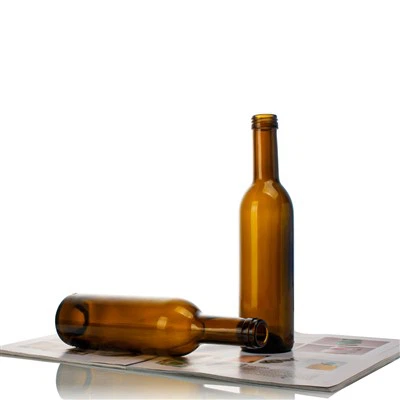
The color of the glass can also affect the wine. As mentioned earlier, darker - colored glass, such as the blue glass of our Ice Wine Blue Bottle, can protect the wine from UV light, which can cause chemical reactions in the wine and affect its flavor and aroma.
Price and Cost - Effectiveness
Price is always a consideration when choosing an ice wine bottle. While high - quality materials and designs often come at a higher price, it is important to find a balance between quality and cost. As a supplier, we understand the need for cost - effective solutions, especially for small - and medium - sized wineries.
We offer a range of ice wine bottles at different price points, allowing wineries to choose the bottles that best suit their budget and quality requirements. Our goal is to provide high - quality products that offer value for money, so that wineries can focus on producing excellent ice wine without breaking the bank.
Hygiene and Safety
Hygiene and safety are non - negotiable when it comes to ice wine bottles. The bottles should be thoroughly cleaned and sterilized before they are filled with wine. This ensures that the wine remains free from contaminants and bacteria, which can spoil the wine and pose a health risk to consumers.
The glass should be free from any defects, such as cracks or chips, which could compromise the integrity of the bottle and pose a safety hazard during handling and transportation.
In conclusion, choosing the right ice wine bottle involves a careful consideration of multiple factors, including material quality, design and aesthetics, closure type, size and capacity, compatibility with wine production, price, and hygiene and safety. As an experienced ice wine bottle supplier, we are committed to providing high - quality products that meet the diverse needs of our clients.
If you are interested in learning more about our ice wine bottles or have any questions regarding your ice wine packaging needs, we encourage you to get in touch. Whether you are a large winery or a small - scale producer, we can work with you to find the perfect bottles for your ice wine. Start a conversation with us today to explore how our products can enhance your ice wine brand and delight your customers.
References
- Jackson, H. (2018). The Complete Guide to Wine Bottles. Wine Press Publications.
- Smith, L. (2020). Wine Packaging Trends: Ice Wine Bottles. Beverage Industry Journal.
- Thompson, R. (2019). The Role of Glass in Wine Preservation. Journal of Wine Science and Technology.