Vodka, a beloved spirit worldwide, is not only known for its smooth taste but also for the variety of bottles it comes in. As a leading vodka bottle supplier, I've had the privilege of working with a diverse range of materials to create the perfect vessels for this popular drink. In this blog post, I'll explore the different materials commonly used to make vodka bottles, their unique characteristics, and why they are chosen for this purpose.
Glass
Glass is by far the most popular material for vodka bottles, and for good reason. It is non - porous, which means it won't absorb the flavor of the vodka or react with its chemical components. This ensures that the vodka retains its original taste and quality over time.
Flint Glass
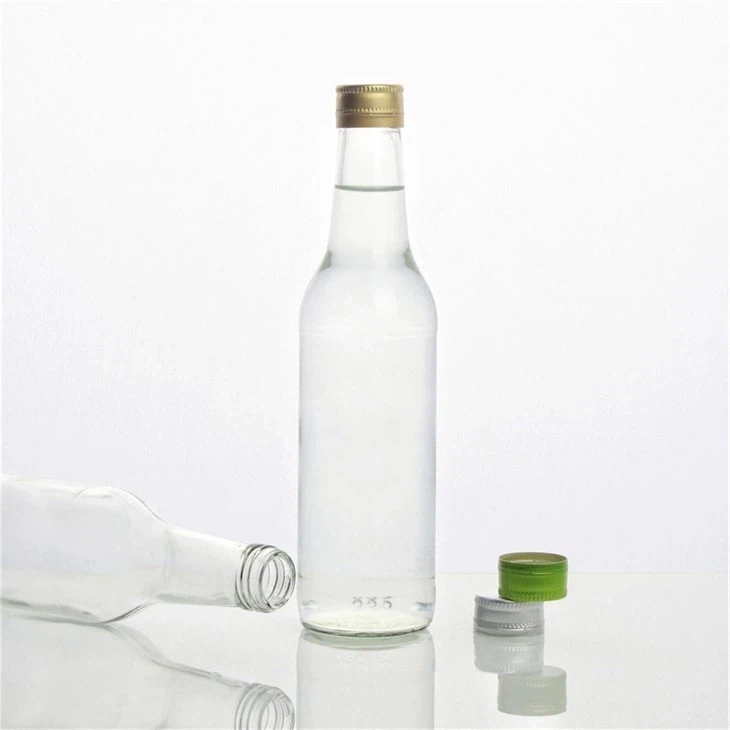
Flint glass is a type of clear glass that is known for its high clarity and brilliance. It is made from silica sand, soda ash, and limestone, with the addition of small amounts of lead oxide in traditional flint glass. However, modern flint glass used for vodka bottles is usually lead - free for safety reasons.
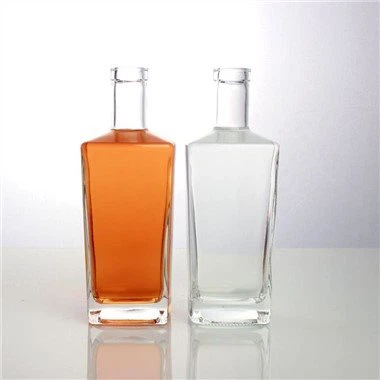
Our 750ml Extra Flint Heavy Vodka Glass Bottle is a prime example of the use of flint glass. The heavy - duty construction of this bottle not only gives it a substantial feel in the hand but also provides excellent protection for the vodka inside. The clear flint glass allows the beautiful color of the vodka to be on full display, enhancing the overall aesthetic appeal of the product.
Amber Glass
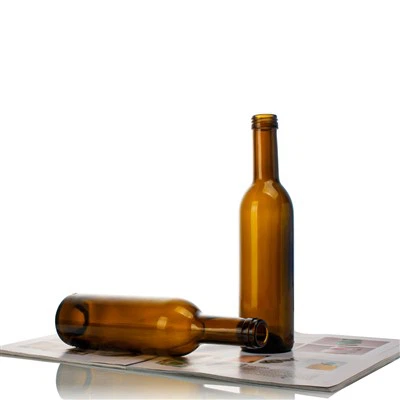
Amber glass is another option for vodka bottles, although it is less common than flint glass. It contains iron oxide and sulfur, which gives it its characteristic amber color. The main advantage of amber glass is its ability to block out a significant amount of ultraviolet (UV) light. UV light can cause chemical reactions in vodka, leading to a degradation of its flavor and quality. By using amber glass, the vodka is better protected from these harmful rays.
Colored Glass
In addition to clear and amber glass, colored glass can also be used to make vodka bottles. Colored glass can add a unique and eye - catching element to the packaging. For example, blue or green glass can give the bottle a more premium or exotic look. However, when using colored glass, it's important to ensure that the color does not interfere with the consumer's ability to see the vodka inside.
Plastic
Plastic is a lightweight and cost - effective alternative to glass for vodka bottles. It is commonly made from materials such as polyethylene terephthalate (PET) or high - density polyethylene (HDPE).
PET
PET is a thermoplastic polymer that is widely used in the packaging industry. It is strong, lightweight, and has good barrier properties against oxygen and moisture. PET vodka bottles are often used for lower - cost or portable vodka products. They are also recyclable, which makes them an environmentally friendly option.
However, one of the drawbacks of PET is that it is more permeable to light than glass. This means that the vodka may be more susceptible to flavor degradation over time if exposed to light. To mitigate this issue, some PET vodka bottles are coated with a light - blocking layer.
HDPE
HDPE is a more rigid and durable plastic than PET. It is resistant to chemicals and has good impact strength. HDPE vodka bottles are often used for products that require a more robust container, such as vodka that is sold in larger volumes or in environments where the bottle may be subject to rough handling.
Ceramics
Ceramics are a less common but highly distinctive material for vodka bottles. Ceramic bottles are made from clay that is fired at high temperatures to create a hard, durable material.
Ceramic vodka bottles offer a unique aesthetic appeal. They can be hand - crafted with intricate designs and patterns, giving each bottle a one - of - a - kind look. The thick walls of ceramic bottles also provide good insulation, which can help to keep the vodka at a more stable temperature.
However, ceramic bottles are heavier and more fragile than glass or plastic bottles. They are also more expensive to produce, which makes them more suitable for premium or limited - edition vodka products.
Metal
Metal, particularly aluminum, is occasionally used for vodka bottles. Aluminum is lightweight, corrosion - resistant, and has excellent barrier properties against oxygen, moisture, and light.
Aluminum vodka bottles are often used for products that are targeted at the outdoor or on - the - go market. They are easy to carry and can be resealed, making them convenient for consumers who want to enjoy their vodka in different settings.
One of the challenges with using aluminum for vodka bottles is the need to ensure that the vodka does not react with the metal. To prevent this, the inside of the aluminum bottle is usually coated with a food - grade polymer lining.
Choosing the Right Material
When it comes to choosing the material for a vodka bottle, several factors need to be considered. These include the type of vodka, the target market, the brand image, and the budget.
For high - end or premium vodka brands, glass is often the preferred choice. Flint glass, in particular, is associated with quality and sophistication. The clear glass allows the consumer to see the purity of the vodka, which is an important selling point for many premium products.
For more budget - friendly or portable vodka products, plastic may be a better option. Plastic bottles are lightweight, inexpensive, and easy to transport. They are also suitable for products that are sold in large quantities.
If the vodka is being marketed as a unique or artisanal product, a ceramic or metal bottle could be used to create a distinctive and memorable packaging. These materials can help the brand stand out in a crowded marketplace.
As a vodka bottle supplier, we understand the importance of choosing the right material for your product. We offer a wide range of vodka bottles made from different materials to meet the diverse needs of our customers. Whether you're looking for a classic glass bottle, a lightweight plastic option, or a unique ceramic or metal container, we have the expertise and resources to provide you with the perfect solution.
If you're interested in discussing your vodka bottle requirements or would like to place an order, please don't hesitate to contact us. We're here to help you create the ideal packaging for your vodka brand.


Conclusion
In conclusion, the materials used to make vodka bottles are diverse, each with its own set of advantages and disadvantages. Glass remains the most popular choice due to its ability to preserve the flavor and quality of the vodka while providing an elegant and visually appealing packaging. Plastic offers a cost - effective and lightweight alternative, while ceramics and metals can add a touch of luxury and uniqueness.
As a vodka bottle supplier, we are committed to providing our customers with high - quality bottles made from the best materials. We work closely with our clients to understand their specific needs and develop customized solutions that meet their brand's requirements.
If you're in the market for vodka bottles, we invite you to explore our product range and get in touch with us to start the procurement process. We look forward to the opportunity to work with you and contribute to the success of your vodka brand.
References
- Packaging World. "Materials for Beverage Packaging."
- The Institute of Packaging Professionals. "Packaging Materials Handbook."
- American Chemical Society. "Properties of Glass and Plastic Polymers."