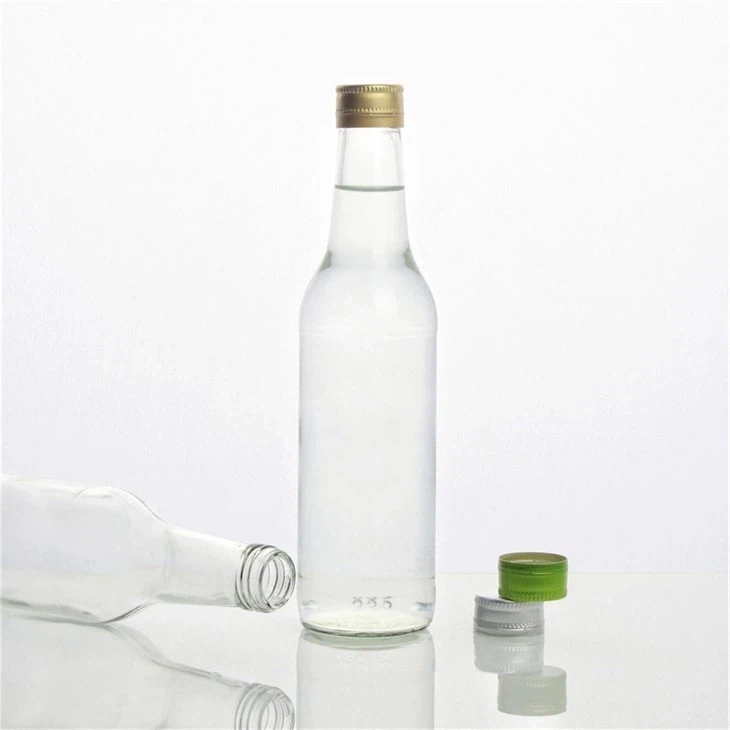
As a long - standing bottle cap supplier in the industry, I've been asked countless times about the various components of our products. One question that frequently pops up is: "What is the purpose of the liner in a bottle cap?" In this blog, I'll delve deep into the significance of bottle cap liners, exploring their functions, types, and how they contribute to the overall quality of our 30*60mm Wine Aluminum Screw Cap, Wine Aluminum Screw Cap, GPI 400/28 Aluminum Screw Cap and other offerings.
Sealing Integrity
The primary function of a bottle cap liner is to create an airtight and watertight seal between the cap and the bottle. This is crucial for maintaining the freshness and quality of the product inside the bottle. Whether it's a carbonated beverage that needs to retain its fizz, a fine wine that requires protection from oxidation, or a pharmaceutical product that must remain sterile, a proper seal is non - negotiable.
When a bottle cap is tightened onto a bottle, the liner is compressed against the bottle's rim. This compression deforms the liner slightly, filling in any microscopic irregularities on the rim's surface. As a result, it prevents air, moisture, and other contaminants from entering the bottle. For instance, in the case of carbonated drinks, a good seal ensures that the carbon dioxide gas stays inside the bottle, keeping the drink fizzy until it's opened by the consumer.
Product Protection
Beyond just sealing, the liner acts as a protective barrier for the product. It shields the contents from external factors that could degrade or spoil them. For example, in the food and beverage industry, liners can prevent the ingress of light, which can cause certain products to lose their flavor, color, or nutritional value over time.
In the pharmaceutical field, liners play an even more critical role. They help maintain the stability of drugs by protecting them from humidity, oxygen, and other environmental factors that could alter their chemical composition. A well - designed liner can extend the shelf life of medications, ensuring that they remain effective and safe for use.
Compatibility
Another important aspect of bottle cap liners is their compatibility with the product inside the bottle. Different products have different chemical properties, and the liner must be made from materials that won't react with them. For example, acidic beverages like fruit juices or vinegar require liners that are resistant to corrosion.
We, as a bottle cap supplier, carefully select liner materials based on the specific requirements of our customers' products. This ensures that there is no leaching of harmful substances from the liner into the product, which could pose a health risk to consumers. For instance, for food - grade products, we use liners made from FDA - approved materials that meet strict safety standards.
Types of Liners
There are several types of liners available, each with its own unique properties and applications.
Foam Liners
Foam liners are commonly used in the beverage industry. They are made from materials like polyethylene or polyurethane foam. Foam liners are known for their excellent sealing properties, as they can conform easily to the shape of the bottle's rim. They are also relatively inexpensive, making them a popular choice for mass - produced products.
Plastic Liners
Plastic liners, such as polypropylene or polyethylene, are widely used in various industries. They offer good chemical resistance and can be customized to meet specific requirements. Plastic liners are often used for products that require a high - level of protection, such as chemicals or high - value pharmaceuticals.
Paper - Based Liners
Paper - based liners are typically used for products that don't require a high - level of moisture or gas barrier. They are often used in the packaging of dry goods, such as spices or powdered products. Paper liners can be coated with a thin layer of wax or plastic to improve their sealing and protective properties.
Foil Liners
Foil liners are highly effective at blocking light, oxygen, and moisture. They are commonly used in the packaging of premium products, such as fine wines and high - end cosmetics. Foil liners can also provide a tamper - evident feature, as they are often sealed to the bottle's rim using heat or induction technology.
Quality Control
As a bottle cap supplier, we understand the importance of quality control when it comes to liners. We have strict quality assurance processes in place to ensure that every liner meets our high standards.
We start by carefully sourcing our liner materials from reputable suppliers. Before using any new material, we conduct extensive testing to ensure its compatibility with our customers' products. During the manufacturing process, we monitor the production of liners closely, checking for factors such as thickness, density, and sealing performance.
Once the liners are installed in the bottle caps, we perform additional tests to verify the overall sealing integrity of the caps. This includes pressure testing for carbonated products and oxygen transmission rate (OTR) testing for products that are sensitive to oxidation.
Customization
We recognize that every customer has unique needs, and that's why we offer customized liner solutions. Whether it's a specific shape, size, or material, we can work with our customers to develop liners that meet their exact requirements.
For example, if a customer has a unique bottle design with an irregularly shaped rim, we can create a custom - cut liner that fits perfectly. Or, if a customer needs a liner with a special property, such as enhanced chemical resistance or a specific level of adhesion, we can formulate a liner to meet those specifications.
Environmental Considerations
In today's world, environmental sustainability is a major concern. As a responsible bottle cap supplier, we are committed to using environmentally friendly liner materials whenever possible.


We are constantly researching and developing new liner materials that are biodegradable, recyclable, or made from renewable resources. For example, we are exploring the use of plant - based polymers as an alternative to traditional petroleum - based plastics. These materials not only reduce our environmental impact but also meet the growing demand from consumers for more sustainable packaging solutions.
Conclusion
In conclusion, the liner in a bottle cap is far more than just an accessory. It is a crucial component that plays a vital role in product quality, protection, and safety. From creating a tight seal to protecting the product from external factors, liners are essential for ensuring that our customers' products reach consumers in the best possible condition.
As a leading bottle cap supplier, we are dedicated to providing high - quality bottle caps with top - notch liners. Our extensive range of products, including 30*60mm Wine Aluminum Screw Cap, Wine Aluminum Screw Cap, and GPI 400/28 Aluminum Screw Cap, is designed to meet the diverse needs of our customers across various industries.
If you're in the market for reliable bottle caps with excellent liners, we'd love to have a conversation with you. Whether you're looking for standard products or customized solutions, our team of experts is ready to assist you. Contact us today to discuss your requirements and let's work together to find the perfect bottle cap and liner combination for your products.
References
- "Packaging Technology and Science" by Owen R. Fennema
- "Beverage Packaging Technology" by John R. Brazell
- Industry reports from the Food and Drug Administration (FDA) and relevant packaging associations.