Vodka, a spirit with a rich and diverse history, has seen its bottle designs evolve significantly over the centuries. As a vodka bottle supplier, I've witnessed firsthand how these designs not only reflect cultural shifts but also play a crucial role in brand identity and consumer appeal. In this blog, we'll explore the fascinating journey of vodka bottle design, from its humble beginnings to the modern, innovative creations we see today.


Early Origins of Vodka Bottles
The history of vodka dates back to the Middle Ages, with its exact origins debated between Russia and Poland. In the early days, vodka was often stored and transported in simple containers made from materials readily available at the time. These included leather skins, wooden barrels, and clay pots. These vessels were primarily functional, designed to preserve the vodka and make it easy to carry.
Leather skins, known as "pouches," were a popular choice due to their flexibility and portability. They were often used by travelers and soldiers, allowing them to carry their vodka with them on long journeys. Wooden barrels, on the other hand, were used for larger-scale storage and transportation. They provided a more stable environment for the vodka, allowing it to age and develop flavor over time.
Clay pots were also commonly used, especially in regions where pottery was a well-established craft. These pots were often decorated with simple patterns and designs, adding a touch of artistry to the otherwise utilitarian container. However, they were relatively fragile and not as suitable for long-distance travel.
The Emergence of Glass Bottles
The use of glass bottles for vodka began to gain popularity in the 18th century. Glass offered several advantages over other materials, including transparency, durability, and the ability to be sealed tightly. This allowed consumers to see the quality of the vodka inside and ensured that it remained fresh for longer periods.
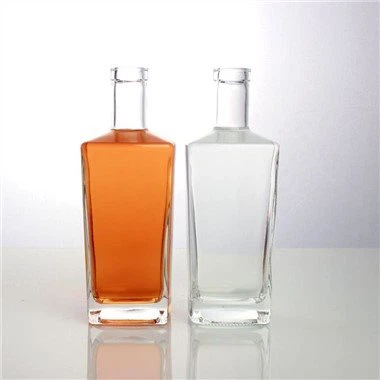
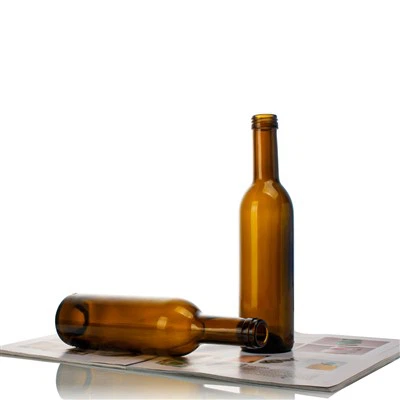
The early glass vodka bottles were relatively simple in design, with a round body and a narrow neck. They were often made by hand, which meant that each bottle was unique. These bottles were typically clear or amber in color, with some featuring embossed labels or markings to indicate the brand and origin of the vodka.
As the demand for vodka grew, so did the need for more standardized bottle designs. In the 19th century, the development of mass production techniques allowed for the creation of glass bottles in larger quantities and with greater consistency. This led to the emergence of more uniform bottle shapes and sizes, making it easier for consumers to identify and compare different brands of vodka.
The Influence of Art and Design Movements
Throughout the 20th century, vodka bottle design was influenced by various art and design movements. The Art Nouveau movement, which emerged in the late 19th century, had a significant impact on the design of vodka bottles. Characterized by its organic forms, flowing lines, and decorative motifs, Art Nouveau designs added a touch of elegance and sophistication to vodka bottles.
The Art Deco movement, which dominated the 1920s and 1930s, also had a profound influence on vodka bottle design. Art Deco designs were characterized by their geometric shapes, bold colors, and streamlined forms. These designs were often used to create a sense of luxury and modernity, appealing to consumers who were looking for a more stylish and contemporary drinking experience.
In the post-war era, the rise of consumerism and the growth of the advertising industry led to a greater emphasis on brand identity and packaging design. Vodka brands began to invest more in creating unique and eye-catching bottle designs to stand out on the shelves. This led to the emergence of a wide range of innovative bottle shapes, colors, and materials.
Modern Vodka Bottle Design
Today, vodka bottle design is a highly competitive and creative field. Brands are constantly looking for new ways to differentiate themselves and appeal to consumers. Modern vodka bottles come in a wide variety of shapes, sizes, and materials, each designed to reflect the brand's personality and target market.
One of the most popular trends in modern vodka bottle design is the use of minimalist and sleek designs. These designs often feature clean lines, simple shapes, and a limited color palette. They are designed to convey a sense of sophistication and elegance, appealing to consumers who are looking for a high-quality and refined drinking experience.
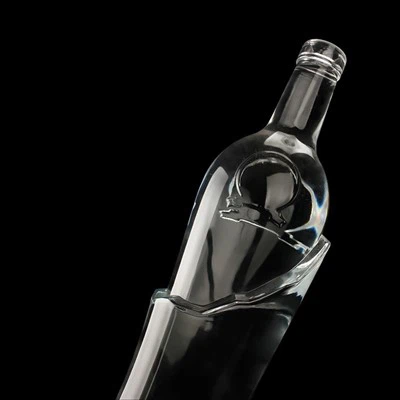
Another trend is the use of unique and unconventional bottle shapes. Some brands are opting for bottles that are shaped like animals, plants, or other objects, adding a touch of whimsy and creativity to the packaging. These designs are often used to attract younger consumers who are looking for something different and exciting.
In addition to shape and design, the use of materials is also an important consideration in modern vodka bottle design. Glass remains the most popular material, but there is also a growing trend towards the use of alternative materials such as plastic, metal, and ceramic. These materials offer different advantages and disadvantages, and brands are often choosing them based on factors such as cost, durability, and environmental impact.
The Role of Packaging in Branding
Vodka bottle design plays a crucial role in branding and marketing. A well-designed bottle can help a brand to stand out on the shelves, attract consumers, and build brand loyalty. It can also communicate the brand's values, personality, and quality to the consumer.
For example, a vodka brand that wants to position itself as a premium and luxury product might choose a bottle design that is made from high-quality materials, features intricate details, and has a sophisticated and elegant appearance. On the other hand, a brand that wants to appeal to a younger and more trendy audience might choose a bottle design that is bold, colorful, and unconventional.
In addition to the bottle design itself, the label and packaging also play an important role in branding. The label should be clear, easy to read, and visually appealing. It should also include important information such as the brand name, vodka type, alcohol content, and origin. The packaging should be designed to protect the bottle and enhance its overall appearance.
Our Vodka Bottle Offerings
As a vodka bottle supplier, we offer a wide range of high-quality vodka bottles to meet the needs of our customers. Our bottles are available in a variety of shapes, sizes, and materials, and can be customized to suit your specific branding requirements.
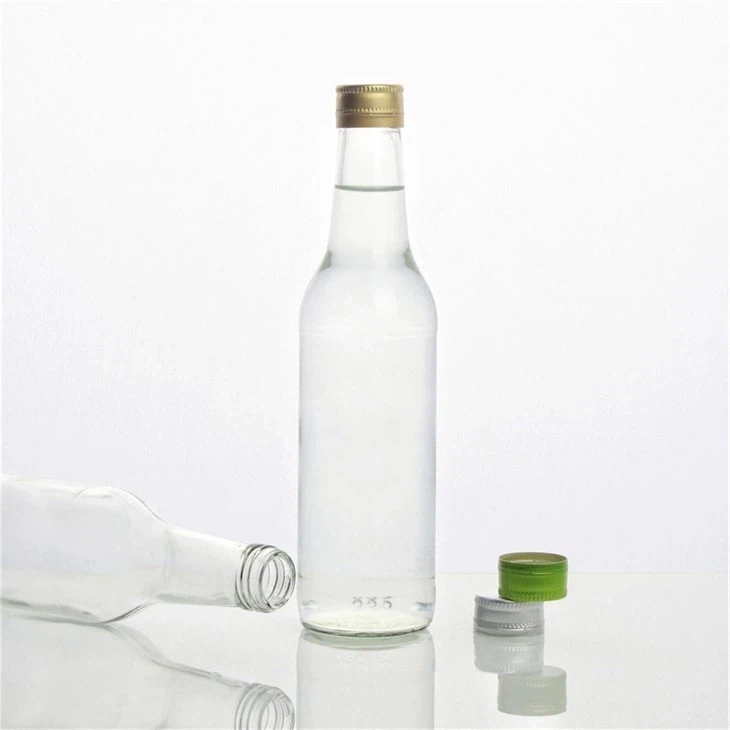
One of our popular products is the Olso Vodka Glass Bottle. This bottle features a sleek and modern design, with a narrow neck and a round body. It is made from high-quality glass and is available in a variety of colors and finishes.
Another product we offer is the 750ml Extra Flint Heavy Vodka Glass Bottle. This bottle is designed to be heavy and durable, with a thick glass wall that provides excellent protection for the vodka inside. It is also available in a variety of colors and finishes, and can be customized with your brand logo and label.
We also offer the 750ml Extra Flint Spirits Glass Bottle For Whiskey Vodka Tequila. This bottle is a versatile option that can be used for a variety of spirits, including vodka, whiskey, and tequila. It features a classic and timeless design, with a round body and a narrow neck. It is made from high-quality glass and is available in a variety of colors and finishes.
Contact Us for Procurement
If you are interested in purchasing our vodka bottles or have any questions about our products, please don't hesitate to contact us. We would be happy to discuss your specific requirements and provide you with a quote. Our team of experts is dedicated to providing you with the best possible service and support, and we look forward to working with you to create the perfect vodka bottle for your brand.
References
- "The History of Vodka" by Mark Lawrence Schrad
- "Vodka: A Global History" by Joseph P. Carrasco
- "The Art of Vodka Bottle Design" by Sarah Johnson