Yo, what's up everyone! I'm stoked to be here chatting with you about the wild history of liquor bottles. As a liquor bottle supplier, I've seen it all - from the oldest clay flasks to the sleek, modern glass masterpieces we offer today. So, let's dive right in and explore how these vessels have evolved over time.
Ancient Beginnings
Back in the day, like way back in ancient times, people didn't have fancy glass or plastic bottles. They used whatever they could find to store their booze. Clay was a popular choice. Ancient Egyptians, for example, were making clay jars to hold wine as early as 3000 BC. These jars were simple in design, usually with a round body and a narrow neck. They were sealed with cork or clay stoppers to keep the wine fresh.
The Greeks and Romans also got in on the action. They made amphorae, which were large, two-handled clay vessels. These were used not only for wine but also for olive oil and other liquids. The shape of the amphora was perfect for shipping and storing. They could be stacked easily on ships and were pretty durable.
But here's the thing - these early containers weren't exactly the most user-friendly. They were heavy, and it was hard to pour the liquor out without making a mess. And let's not forget about the risk of breakage. If you dropped an amphora, well, you were out of luck.


The Rise of Glass
Fast forward a few thousand years, and glass starts to become a game-changer in the world of liquor bottles. The first glass bottles were made in Mesopotamia around 1500 BC, but they were super expensive and not very common. It wasn't until the Roman Empire that glassblowing techniques improved, making glass bottles more accessible.
The Romans were the first to really embrace glass for liquor storage. They made all sorts of shapes and sizes, from small, portable flasks to large jugs. Glass had a lot of advantages over clay. It was transparent, so you could see how much liquor was left. It was also easier to clean and reuse.
During the Middle Ages, glass production in Europe declined a bit, but it picked up again in the Renaissance. Glassmakers started experimenting with different shapes and colors. They also developed better sealing methods, like using wax or cork to keep the liquor from evaporating.
The Industrial Revolution
The 18th and 19th centuries were a time of major change for liquor bottles. The Industrial Revolution brought about new manufacturing techniques that made it possible to produce bottles on a large scale. Machine-made bottles were cheaper and more consistent in quality than those made by hand.
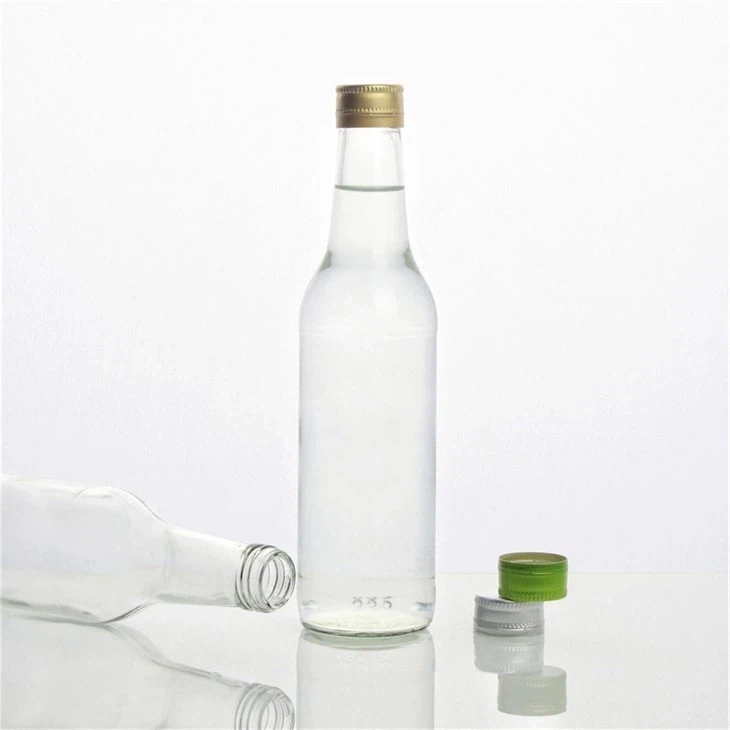
One of the most important inventions during this time was the screw cap. Before the screw cap, bottles were usually sealed with cork or wax, which could be a hassle. The screw cap made it much easier to open and close bottles, and it also provided a better seal.
Another significant development was the standardization of bottle sizes. In the past, bottles came in all sorts of random sizes, which made it difficult for producers and consumers. But with the rise of mass production, standard sizes like the 750 ml bottle became the norm. This made it easier to package, ship, and sell liquor.
Modern Times
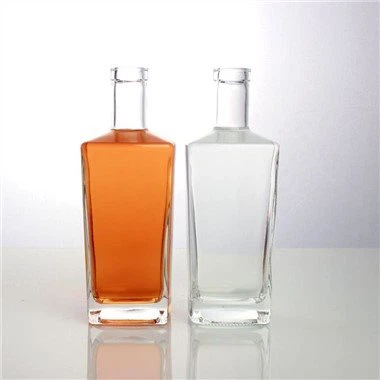
Today, liquor bottles come in all shapes, sizes, and materials. Glass is still the most popular choice, but there are also plastic and metal bottles available. Designers are constantly coming up with new and innovative ways to make bottles stand out on the shelves.
At our company, we offer a wide range of liquor bottles to meet the needs of our customers. For example, we have the Special Shape Luxury Borosilicate Glass Decanter. This decanter is made from high-quality borosilicate glass, which is known for its durability and heat resistance. It has a unique shape that makes it a great addition to any liquor collection.
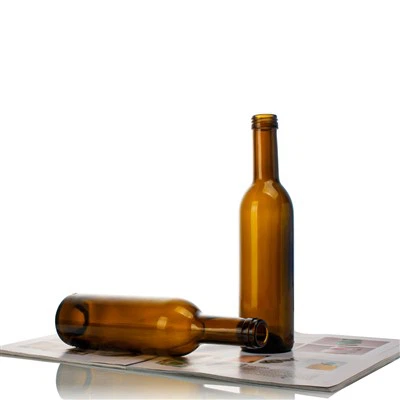
We also have the 15L Large Capacity Winery Supply Glass Bordeaux Wine Bottles. These bottles are perfect for wineries that need to store large quantities of wine. They are made from thick, high-quality glass that can withstand the pressure of aging wine.
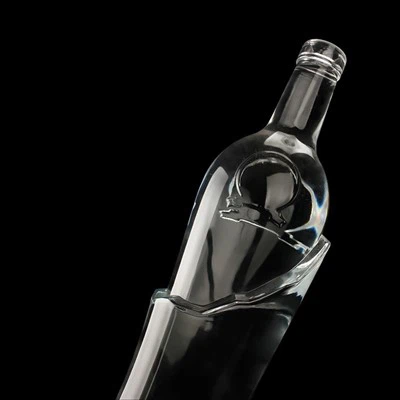
And if you're looking for something customizable, we have the Customizable Oxygen Glass Bottles. These bottles can be personalized with your logo or design, making them a great choice for brands that want to stand out.
The Future of Liquor Bottles
So, what does the future hold for liquor bottles? Well, I think we'll see even more innovation in the coming years. There's a growing trend towards sustainable packaging, so we might see more bottles made from recycled materials or biodegradable plastics.
Technology is also going to play a big role. We could see smart bottles that can track things like the temperature and age of the liquor. And who knows, maybe we'll even see bottles that can interact with our smartphones.
As a liquor bottle supplier, we're always keeping an eye on these trends and looking for ways to stay ahead of the curve. We want to provide our customers with the best possible products and services.
Wrapping Up
Well, that's a quick overview of the history of liquor bottles. It's amazing to see how far we've come from those ancient clay jars to the high-tech bottles of today. Whether you're a liquor producer, a collector, or just someone who enjoys a good drink, I hope you've learned something new.
If you're interested in our liquor bottles or have any questions, don't hesitate to reach out. We'd love to chat with you and see how we can help with your packaging needs. Let's work together to find the perfect bottles for your brand!
References
- "A History of Glass" by Alan Macfarlane and Gerry Martin
- "The Wine Bottle: A History" by Hugh Johnson