When it comes to the world of wine, not only the liquid inside the bottle holds significance but also the bottle itself plays a crucial role. As a wine bottle supplier, I have witnessed firsthand the differences between sparkling and still wine bottles. In this blog post, I will delve into these disparities to help you understand why specific bottles are used for different types of wine.
Structural Differences
One of the most obvious differences between sparkling and still wine bottles lies in their structure. Sparkling wines, such as Champagne, Prosecco, and Cava, are bottled under high pressure due to the presence of carbon dioxide gas. This pressure can reach up to 6 atmospheres, which is about three times the pressure in a car tire. As a result, sparkling wine bottles need to be sturdier to withstand this pressure.
They typically have thicker glass walls compared to still wine bottles. The extra thickness provides strength and prevents the bottle from exploding under pressure. Additionally, the base of a sparkling wine bottle is often concave, also known as a punt. The punt not only adds stability to the bottle but also helps to reinforce the bottle's structure, making it better able to handle the internal pressure.
On the other hand, still wine bottles do not require the same level of structural integrity because they are not under pressure. Their glass walls are thinner, which makes them lighter and more cost - effective to produce. The base of a still wine bottle may or may not have a punt, and when it does, the punt is usually shallower than that of a sparkling wine bottle.
Design and Shape
The design and shape of sparkling and still wine bottles also differ significantly. Sparkling wine bottles are often designed with elegance and sophistication in mind. They commonly have a tall, slender neck, which helps to preserve the effervescence of the wine. The narrow neck allows for a more controlled pour, minimizing the loss of carbon dioxide and ensuring that the bubbles last longer.
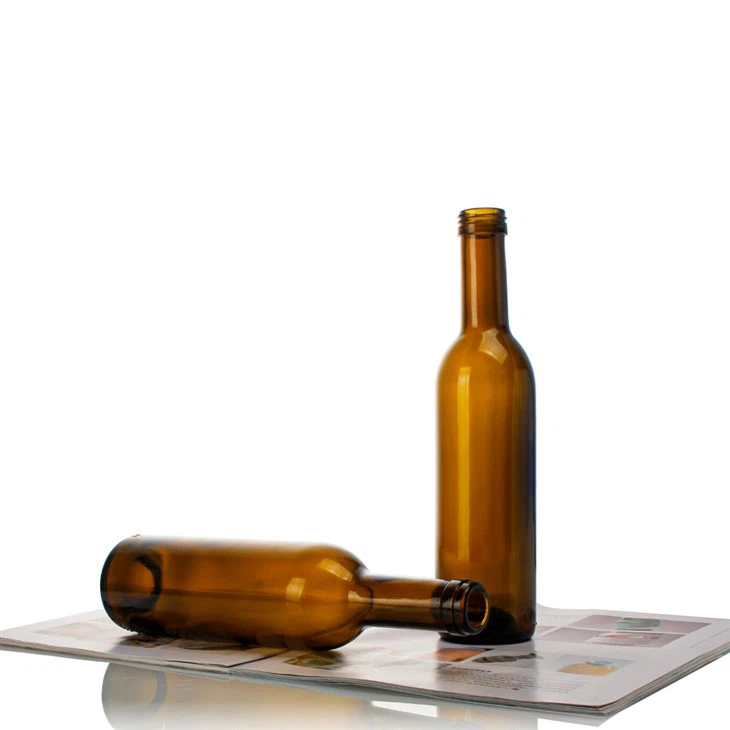

The overall shape of a typical sparkling wine bottle is cylindrical, with a relatively uniform diameter from the base to the shoulder. This design not only looks aesthetically pleasing but also provides a stable base for the bottle to stand upright.
In contrast, still wine bottles come in a wider variety of shapes. Bordeaux - style bottles, for example, have high, straight shoulders, which are designed to catch sediment as the wine ages. Burgundy - style bottles, on the other hand, have sloping shoulders. This shape variation is not only for aesthetic purposes but also has practical implications for wine storage and aging.
Closure Systems
Another important difference is the closure system used for each type of bottle. Sparkling wine bottles almost always use a cork and wire cage combination. The cork is usually made of a special type of compressed cork or a synthetic material that can withstand the high pressure inside the bottle. The wire cage, also known as a muselet, keeps the cork in place, preventing it from popping out due to the pressure.
Still wine bottles can use a variety of closure systems. The traditional cork is still widely used, especially for high - end wines. However, screw caps and synthetic corks are becoming increasingly popular for more affordable and everyday wines. Screw caps offer a more convenient and air - tight seal, while synthetic corks provide a similar look and feel to traditional corks without the risk of cork taint.
Labeling and Branding Considerations
When it comes to labeling and branding, the differences between sparkling and still wine bottles are also notable. Sparkling wines, being often associated with celebration and luxury, typically have more elaborate and decorative labels. The labels may feature embossed designs, gold or silver foils, and detailed information about the wine's origin and production methods.
Still wine labels, while also important for branding and information, can vary greatly in terms of style. Some labels are simple and minimalist, while others are more detailed and elaborate, depending on the target market and the wine's intended positioning.
Our Wine Bottle Offerings
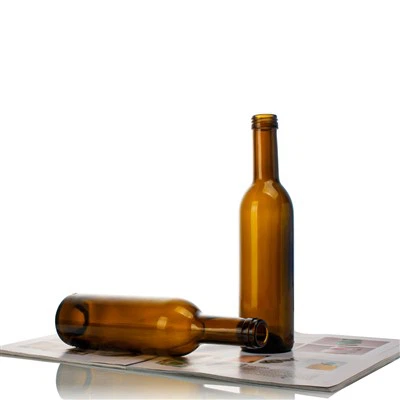
As a wine bottle supplier, we understand the unique requirements of both sparkling and still wine producers. We offer a wide range of wine bottles to meet different needs. For example, our Brown 375ml Glass Bottle For Wine is perfect for small - batch still wines. The brown glass helps to protect the wine from harmful UV rays, preserving its flavor and aroma.
For those looking for specialized bottles for still wines, we also have the 375ml Ice Wine Bottle. Ice wines are known for their sweet and concentrated flavor, and this bottle is designed to showcase the uniqueness of this type of wine.
When it comes to larger - volume still wines, our Amber Glass 750ml Wine Bottles are an excellent choice. The amber glass provides good protection against light while giving a classic and elegant look.
Supplier - Producer Partnership
We believe in building strong partnerships with wine producers. By understanding the specific needs of each producer, we can offer customized solutions in terms of bottle design, size, and material. Whether you are a small - scale artisanal winery or a large - scale commercial producer, we have the expertise and resources to meet your requirements.
Invitation to Contact
If you are in the wine production business and are looking for high - quality wine bottles, we encourage you to reach out to us. We can provide detailed information about our products, pricing, and customization options. Our team is dedicated to providing excellent customer service and ensuring that you get the best wine bottles for your products. Let's start a conversation and explore how we can work together to enhance your wine packaging solutions.
References
- "The Wine Bottle: A History of Containment" by Mark A. Spivak.
- "Understanding Wine: Grape Varieties, Production, and Appreciation" by Ron Herbst and Sharon Tyler Herbst.
- Various industry reports and research on wine packaging trends.