What is the capacity of a magnum wine bottle?
As a seasoned wine bottle supplier, I've had countless discussions with wine enthusiasts, producers, and retailers about the various aspects of wine packaging. One question that frequently arises is about the capacity of a magnum wine bottle. In this blog, I'll delve into the details of magnum wine bottle capacities, compare them with other common wine bottle sizes, and share why understanding these capacities is crucial for both wine businesses and consumers.
The Standard Capacity of a Magnum Wine Bottle
A magnum wine bottle is a well - known and respected container in the world of wine. The standard capacity of a magnum wine bottle is 1.5 liters. To put this into perspective, it is equivalent to two standard 750 - milliliter wine bottles. This larger size has been popular for special occasions, celebrations, and for those who simply want to enjoy a more substantial quantity of their favorite wine.
The 1.5 - liter magnum offers several advantages. For wine producers, it can be a premium offering. The larger volume allows for a more extended aging process. The ratio of wine to air in a magnum is more favorable compared to smaller bottles. This means that the wine can age more gracefully, as there is less oxygen interacting with the wine over time. As a result, the flavors can develop more complexly, and the wine can reach its peak flavor profile at a slower pace.
For consumers, a magnum is a great choice for sharing. Whether it's a family gathering, a wedding, or a corporate event, a magnum can serve more people without the need to open multiple bottles. It also adds a touch of elegance to the occasion. There's something special about uncorking a large, imposing magnum bottle at the table.
Comparison with Other Common Wine Bottle Sizes
While the magnum is a well - recognized size, there are many other wine bottle sizes available in the market. Let's take a look at some of the most common ones:
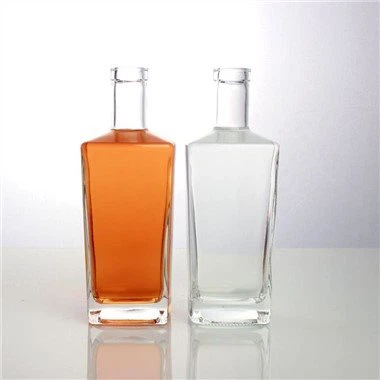
750ml Highborosilicate Spirits Bottles
The 750 - milliliter bottle is the most common size for wine worldwide. It's a standard that most consumers are familiar with. 750ml Highborosilicate Spirits Bottles are widely used because they are convenient for both single - person consumption and sharing among a small group. They are also easier to store and transport compared to larger bottles. For wine producers, the 750 - ml bottle is a cost - effective option for mass production. It strikes a balance between volume and cost, making it accessible for a wide range of consumers.
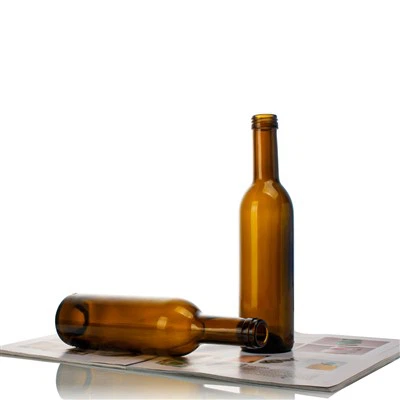
Brown 375ml Glass Bottle For Wine
The 375 - milliliter bottle, or half - bottle, is another popular option. Brown 375ml Glass Bottle For Wine is ideal for those who want to try a new wine without committing to a full 750 - ml bottle. It's also a great choice for solo drinkers or for occasions where a smaller quantity of wine is appropriate. For example, it can be a perfect accompaniment to a dinner for one or a light lunch. The brown glass helps to protect the wine from light, which can be beneficial for preserving the wine's flavor.


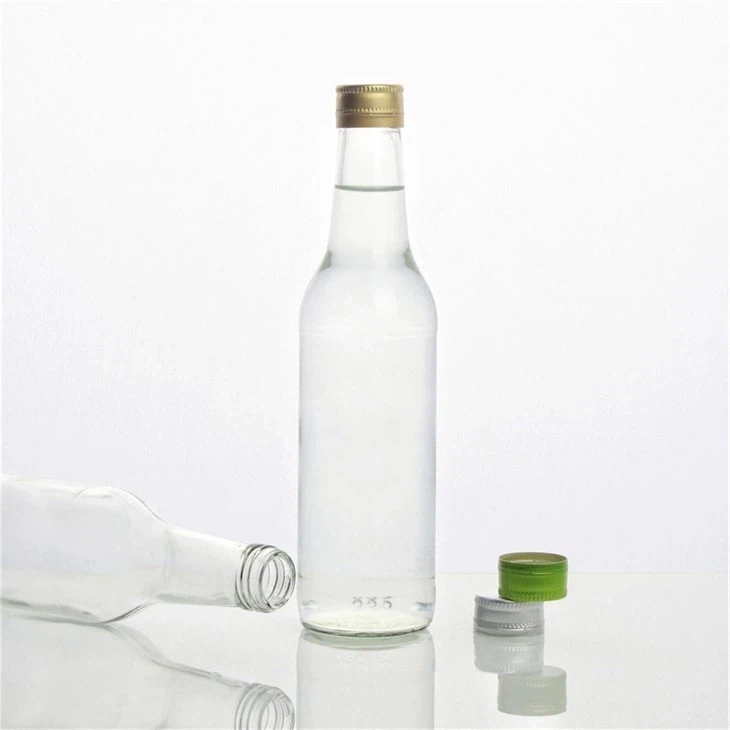
187ml Mini Capacity Wine Bottles
The 187 - milliliter bottle, often referred to as a "mini" or "split," is the smallest common wine bottle size. 187ml Mini Capacity Wine Bottles are extremely convenient for on - the - go consumption. They are popular in airlines, trains, and other travel settings. They are also great for wine tastings, as they allow consumers to sample different wines without having to buy larger bottles. Additionally, they can be a fun and affordable option for parties, where guests can have a small glass of wine without overindulging.
The Impact of Bottle Capacity on Wine Quality
As mentioned earlier, the bottle capacity can have a significant impact on wine quality, especially during the aging process. The larger the bottle, the slower the wine ages. This is because the surface area of the wine in contact with the air (through the cork) is relatively smaller in a larger bottle. In a magnum, the wine has a more stable environment, and the chemical reactions that occur during aging are more controlled.
On the other hand, smaller bottles age faster. The 750 - ml bottle, for example, will age at a quicker pace compared to a magnum. This means that wines in smaller bottles may reach their peak flavor earlier and may also start to decline in quality sooner. For wines that are meant to be consumed relatively young, the 750 - ml bottle is a great choice. But for wines with high aging potential, such as fine Bordeaux or Burgundy, a magnum can be a better option for long - term storage.
Considerations for Wine Businesses
For wine producers, choosing the right bottle size is a strategic decision. It depends on several factors, including the target market, the type of wine, and the marketing strategy. If the wine is a premium product with high aging potential, offering it in a magnum can enhance its perceived value. Producers can also use different bottle sizes to cater to different customer needs. For example, they can offer a range of sizes from minis for tastings to magnums for special occasions.
Wine retailers also need to consider bottle sizes. They should stock a variety of sizes to meet the diverse demands of their customers. Having a good selection of different bottle sizes can attract more customers and increase sales. For example, a customer who is just starting to explore wine may be more likely to buy a 375 - ml bottle or a mini bottle to try different varieties without a large investment.
Considerations for Consumers
Consumers should also be aware of the different bottle sizes when purchasing wine. If you're planning a large event, a magnum can be a practical and cost - effective choice. However, if you're just looking for a bottle to enjoy with a weeknight dinner, a 750 - ml bottle or even a 375 - ml bottle may be more suitable.
When it comes to aging wine at home, if you have the patience and the right storage conditions, a magnum can be a great investment. But remember, proper storage is crucial. The wine should be stored in a cool, dark place with a stable temperature and humidity.
Conclusion
In conclusion, the capacity of a magnum wine bottle is 1.5 liters, which offers unique advantages for both wine producers and consumers. Understanding the different wine bottle sizes, including the magnum, 750ml, 375ml, and 187ml bottles, is essential for making informed decisions in the wine industry. Whether you're a wine producer looking to expand your product line, a retailer aiming to meet customer demands, or a consumer seeking the perfect bottle for an occasion, knowing the characteristics of each bottle size can enhance your wine experience.
If you're interested in purchasing high - quality wine bottles in various sizes, including magnums, we are here to assist you. We have a wide range of wine bottles to meet your specific needs. Contact us to start a discussion about your wine bottle requirements, and let's work together to find the best solutions for your business or personal use.
References
- Robinson, J. (2006). The Oxford Companion to Wine. Oxford University Press.
- Johnson, H. (2005). The World Atlas of Wine. Mitchell Beazley.