When it comes to champagne, one of the most crucial factors that can significantly impact its quality and taste is the storage temperature. As a dedicated champagne bottle supplier, I've witnessed firsthand how improper storage can turn a fine champagne into a disappointing experience. In this blog post, I'll delve into the science behind the best temperature to store a champagne bottle, and why it matters so much.
The Science of Champagne Storage Temperature
Champagne is a delicate beverage that undergoes a complex fermentation process. During this process, carbon dioxide is produced and trapped within the bottle, giving champagne its characteristic bubbles. The chemical reactions that occur during fermentation and aging are highly sensitive to temperature.
If champagne is stored at too high a temperature, the chemical reactions speed up. This can cause the champagne to age prematurely, leading to a loss of its fresh, fruity flavors and the development of off - flavors. High temperatures can also cause the pressure inside the bottle to increase, which may lead to cork popping or even bottle breakage.
On the other hand, if champagne is stored at too low a temperature, the chemical reactions slow down to a crawl. The flavors become muted, and the bubbles may not form as vigorously when the champagne is poured. The ideal storage temperature helps to maintain a balance, allowing the champagne to age gracefully and retain its quality over time.
The Ideal Temperature Range
The generally accepted ideal temperature range for storing champagne is between 45°F (7°C) and 50°F (10°C). This temperature range is cool enough to slow down the aging process but not so cold that it inhibits the development of flavors.
At this temperature, the champagne can continue to age slowly, allowing the flavors to become more complex and harmonious. The carbon dioxide remains stable within the liquid, ensuring that the champagne will have a lively and persistent bubble when opened.
Short - Term vs. Long - Term Storage
It's important to distinguish between short - term and long - term storage of champagne.
Short - Term Storage
If you plan to drink the champagne within a few weeks, you can store it at a slightly higher temperature, around 50°F - 55°F (10°C - 13°C). This is suitable for champagne that you've just purchased and are waiting for a special occasion to open. You can store it in a cool pantry or a wine fridge set to this temperature range.
Long - Term Storage
For long - term storage, which is typically for several months to a few years, the lower end of the ideal temperature range, around 45°F - 50°F (7°C - 10°C), is recommended. This slow aging process allows the champagne to develop its full potential. Professional wine cellars are often maintained at this temperature to store high - quality champagnes for extended periods.
Other Storage Considerations
In addition to temperature, there are other factors to consider when storing champagne.
Humidity
The humidity in the storage area should be around 70%. This helps to keep the cork moist, preventing it from drying out and allowing air to enter the bottle. If the cork dries out, oxygen can seep in, causing the champagne to oxidize and lose its freshness.
Light
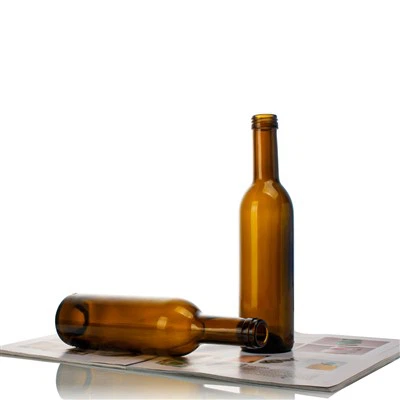
Champagne should be stored in a dark place. Exposure to light, especially sunlight, can cause chemical reactions in the champagne that lead to off - flavors. Brown or green Champagne Glass Bottle are often used to protect the champagne from light.
Position
Champagne bottles should be stored horizontally. This keeps the cork in contact with the liquid, preventing it from drying out. A dry cork can allow air to enter the bottle, spoiling the champagne.
The Impact of Temperature on Different Types of Champagne
Not all champagnes are created equal, and different types may have slightly different temperature requirements.
Non - Vintage Champagne
Non - vintage champagnes are designed to be drunk relatively young. They usually don't require long - term aging. For short - term storage, you can keep them at the higher end of the short - term storage temperature range (around 55°F or 13°C). For longer storage, aim for the lower end of the ideal range (around 45°F or 7°C).
Vintage Champagne
Vintage champagnes are made from grapes harvested in a single, exceptional year. They have the potential to age for many years. For long - term storage, maintaining a temperature close to 45°F (7°C) is ideal. This allows the complex flavors of the vintage champagne to develop over time.
Our Champagne Bottles and Storage
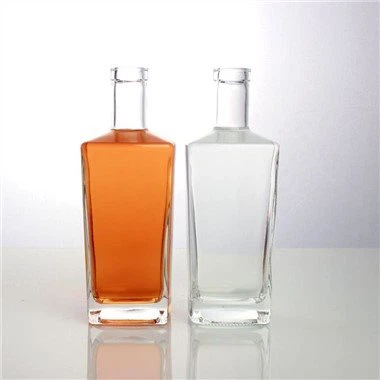
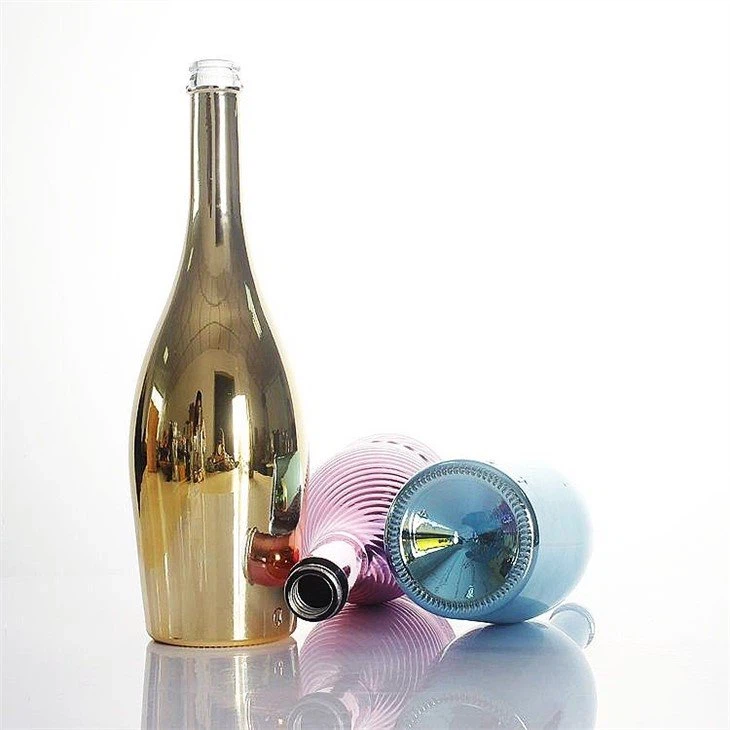
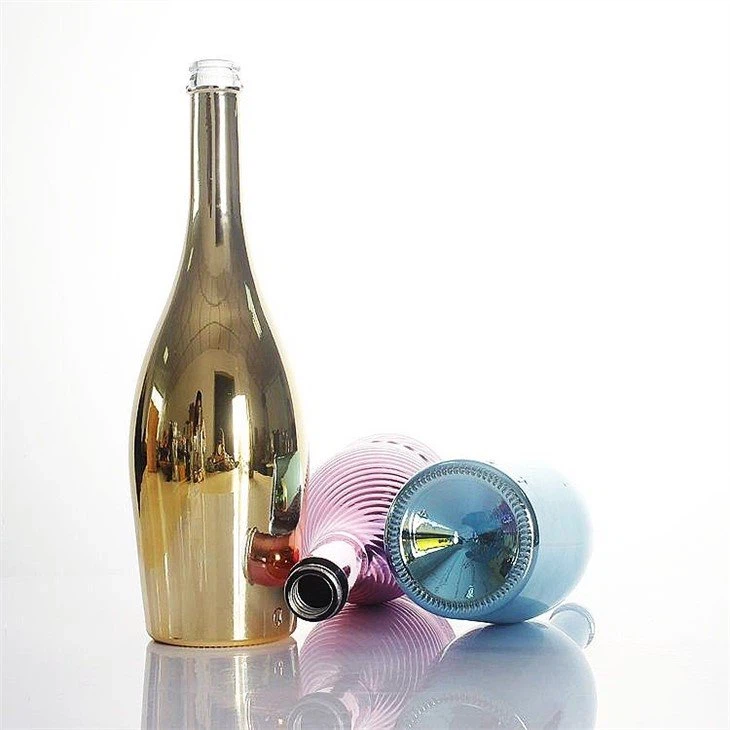
As a champagne bottle supplier, we offer a wide range of Champagne Glass Bottle, Personalised Champagne Bottle, and Gold Champagne Bottle. Our bottles are designed to protect the champagne inside and maintain its quality during storage.
The glass used in our bottles has excellent insulation properties, helping to keep the champagne at a stable temperature. The corks are of high quality, ensuring a tight seal to prevent air and temperature fluctuations from affecting the champagne.
Conclusion
Storing champagne at the right temperature is essential for preserving its quality and flavor. Whether you're a champagne enthusiast or a retailer, understanding the ideal storage temperature can make a significant difference in the enjoyment of the champagne.
If you're in the market for high - quality champagne bottles, we're here to help. Our range of champagne bottles is designed to meet the needs of both short - term and long - term storage. Contact us to discuss your requirements and start a procurement洽谈. We look forward to working with you to ensure that your champagne is stored in the best possible conditions.
References
- Robinson, J., Harding, J., & Vouillamoz, J. (2012). Wine Grapes: A Complete Guide to 1,368 Vine Varieties, Including Their Origins and Flavours. Allen & Unwin.
- Jackson, H. (2008). The World Encyclopedia of Wine. Mitchell Beazley.