In the world of wine, ice wine stands out as a unique and luxurious treat. As a supplier of ice wine bottles, I've witnessed firsthand how various factors can influence the price of these exquisite containers. Understanding these elements is crucial for both producers and consumers, as they can significantly impact the overall cost and value of an ice wine bottle. In this blog post, I'll delve into the key factors that affect the price of an ice wine bottle, providing insights from my experience in the industry.
Raw Material Quality
The quality of the raw materials used to manufacture ice wine bottles is a fundamental factor in determining their price. High - quality glass is essential for preserving the flavor and aroma of ice wine. Premium glass is typically made from pure silica sand, along with other additives that enhance its clarity, strength, and resistance to thermal shock.
For instance, borosilicate glass, known for its excellent heat resistance and chemical stability, is often used in high - end ice wine bottles. This type of glass can withstand the extreme temperature changes that ice wine may experience during storage and transportation without cracking or shattering. However, borosilicate glass is more expensive to produce than regular soda - lime glass, which directly impacts the price of the final product.
In addition to the type of glass, the color of the glass also plays a role. Darker glass, such as amber or green, can provide better protection against UV light, which can degrade the quality of ice wine over time. The production process for colored glass is more complex and requires additional steps, such as adding pigments to the molten glass. As a result, bottles made from colored glass are generally more costly than clear glass bottles.
Production Process Complexity
The manufacturing process of ice wine bottles can be quite intricate, and the level of complexity involved has a direct bearing on the price. Ice wine bottles often have specific design requirements to ensure they are suitable for storing and presenting this delicate beverage.
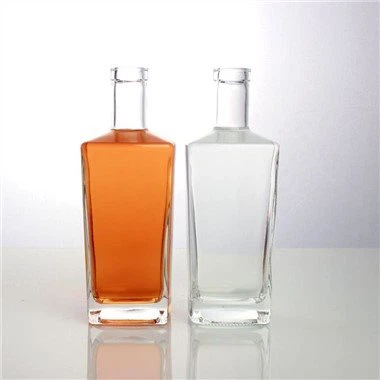
One of the key aspects is the shape of the bottle. Ice wine bottles typically have a unique shape that is different from regular wine bottles. They may be taller and slimmer, with a narrower neck to help preserve the wine's aroma. Creating these custom - shaped bottles requires specialized molds and manufacturing techniques, which increase the production cost.
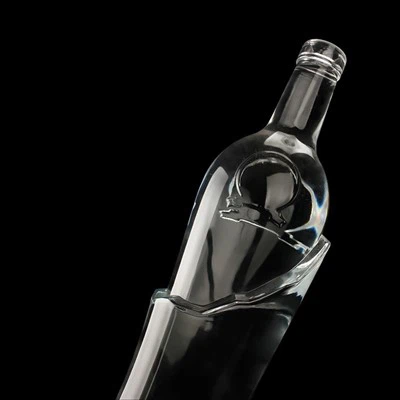
Moreover, the production of ice wine bottles may involve additional processes such as embossing, engraving, or labeling. Embossing a logo or a design on the bottle can add a touch of elegance and uniqueness, but it requires precision and special equipment. Engraving, on the other hand, is a more labor - intensive process that involves using a laser or a diamond - tipped tool to etch designs onto the glass surface. These value - added processes contribute to the higher price of the bottles.
Brand and Reputation
Just like with any other product, the brand and reputation of the ice wine bottle supplier can influence the price. A well - established brand with a history of producing high - quality bottles is likely to charge a premium for its products.
Customers are often willing to pay more for bottles from a trusted brand because they associate it with reliability, consistency, and superior craftsmanship. For example, a brand that has been in the industry for decades and has a reputation for using the best raw materials and advanced manufacturing techniques will have a higher perceived value in the market.
In addition, a brand's reputation can also be built on its commitment to sustainability and ethical manufacturing practices. Suppliers that prioritize environmental responsibility and fair labor standards may attract customers who are willing to pay a little extra for products that align with their values.
Market Demand and Supply
The basic economic principles of supply and demand also play a significant role in determining the price of ice wine bottles. When the demand for ice wine is high, the demand for ice wine bottles also increases. If the supply of these bottles cannot keep up with the demand, the price is likely to rise.
Conversely, if there is an oversupply of ice wine bottles in the market, suppliers may need to lower their prices to attract customers. Factors such as seasonal fluctuations, changes in consumer preferences, and the growth of the ice wine industry can all affect the balance between supply and demand.
For example, during the holiday season, the demand for ice wine typically surges as it is a popular gift choice. This increased demand for ice wine leads to a higher demand for ice wine bottles, which can drive up the price. On the other hand, if a new competitor enters the market and floods it with a large quantity of ice wine bottles, the supply may exceed the demand, causing prices to drop.
Packaging and Accessories
The packaging and accessories that come with an ice wine bottle can add to its overall cost. A well - designed and protective packaging not only enhances the presentation of the bottle but also ensures its safe transportation.
Custom - made boxes or cases can be used to package ice wine bottles, and these can be made from a variety of materials such as wood, cardboard, or foam. The cost of these packaging materials, along with the design and manufacturing process, can significantly increase the price of the product.
In addition, some ice wine bottles may come with accessories such as corks, stoppers, or wine pourers. High - quality corks made from natural cork are more expensive than synthetic corks, and the inclusion of a unique or decorative wine pourer can also add value to the package.
Transportation and Logistics
The cost of transporting ice wine bottles from the manufacturing facility to the customer's location is another factor that affects the price. Ice wine bottles are fragile and require special handling during transportation to prevent breakage.
Shipping costs can vary depending on the distance, the volume of the order, and the mode of transportation. For international shipments, additional costs such as customs duties and taxes may also apply. Moreover, suppliers may need to invest in proper packaging materials and shipping containers to ensure the safe delivery of the bottles.
For example, if a customer orders a small quantity of ice wine bottles from a supplier located overseas, the shipping cost per bottle may be relatively high. On the other hand, larger orders may benefit from economies of scale, resulting in lower shipping costs per unit.
Conclusion
As an ice wine bottle supplier, I understand that the price of an ice wine bottle is influenced by a multitude of factors. From the quality of the raw materials and the complexity of the production process to the brand reputation and market dynamics, each element plays a crucial role in determining the final cost.
If you're in the market for high - quality ice wine bottles, I invite you to explore our Ice Wine Blue Bottle collection. Our bottles are crafted with the utmost care and attention to detail, using the finest materials and advanced manufacturing techniques. Whether you're a small - scale winery or a large - scale distributor, we can provide you with the perfect ice wine bottles to meet your needs.

If you have any questions or would like to discuss your specific requirements, please don't hesitate to contact us. We're here to assist you in finding the best solutions for your ice wine packaging needs and look forward to the opportunity to work with you.
References
- "The Wine Bottle: A History" by Mark A. McWilliams
- "Wine Packaging and Preservation" by Andrew Waterhouse
- Industry reports on glass manufacturing and wine packaging trends.