The vintage on a champagne bottle is a crucial piece of information that tells a story about the champagne's origin, quality, and character. As a leading supplier of [Champagne Bottles], understanding the significance of the vintage is essential for us to provide our customers with the best products and insights. In this blog, we'll delve into what the vintage on a champagne bottle means, how it affects the champagne's taste and quality, and why it matters to both consumers and collectors.
What is a Vintage in Champagne?
In the world of champagne, a vintage refers to the specific year in which the grapes used to make the champagne were harvested. Unlike non-vintage (NV) champagnes, which are blends of grapes from multiple years, vintage champagnes are made entirely from grapes harvested in a single year. This distinction is significant because it allows the champagne to reflect the unique characteristics of that particular growing season, including the weather, soil conditions, and climate.
The Significance of Vintage Champagnes
1. Reflecting the Terroir
Terroir is a French term that encompasses all the environmental factors that influence the taste and quality of wine, including soil, climate, topography, and grape variety. Vintage champagnes are a pure expression of the terroir of the year in which the grapes were harvested. Each year brings different weather conditions, such as rainfall, temperature, and sunlight, which can have a profound impact on the flavor, aroma, and structure of the grapes. For example, a warm and sunny year may produce grapes with higher sugar levels, resulting in a champagne with more fruitiness and richness. In contrast, a cooler year may yield grapes with higher acidity, giving the champagne a more refreshing and crisp character.
2. Quality and Complexity
Vintage champagnes are often considered to be of higher quality and more complex than non-vintage champagnes. Since they are made from grapes harvested in a single year, they have a more concentrated flavor profile and a greater depth of character. The winemakers have the opportunity to showcase the unique qualities of the grapes from that particular year, resulting in a champagne that is more expressive and nuanced. Vintage champagnes also tend to age better than non-vintage champagnes, developing additional complexity and elegance over time.
3. Rarity and Collectibility
Not every year is suitable for producing vintage champagne. Champagne houses only declare a vintage when the grapes from that year meet their strict quality standards. As a result, vintage champagnes are less common than non-vintage champagnes and are often considered to be more rare and collectible. Collectors and enthusiasts are willing to pay a premium for vintage champagnes, especially those from exceptional years or prestigious houses. Owning a bottle of vintage champagne can be a symbol of luxury and sophistication, and it can also be a valuable investment.
How to Read the Vintage on a Champagne Bottle
The vintage on a champagne bottle is usually printed on the label, along with other important information such as the brand name, grape variety, and alcohol content. The vintage year is typically displayed in large, bold numbers, making it easy to identify. For example, if the label says "2015 Vintage Champagne," it means that the champagne was made from grapes harvested in the year 2015.
It's important to note that not all champagne bottles will have a vintage on the label. Non-vintage champagnes, which are the most common type of champagne, do not display a vintage year because they are blends of grapes from multiple years. Instead, they are designed to offer a consistent flavor profile and quality from year to year.
Factors Affecting the Vintage Quality
1. Weather Conditions
The weather during the growing season plays a crucial role in determining the quality of the grapes and, ultimately, the champagne. A perfect growing season typically includes a mild winter, a warm and sunny spring, and a dry and sunny summer. These conditions allow the grapes to ripen slowly and evenly, developing the right balance of sugar, acidity, and flavor. However, unpredictable weather events such as hail, frost, or heavy rainfall can damage the grapes and affect their quality. For example, a late frost can kill the young grape buds, reducing the yield and quality of the harvest.
2. Grape Variety
The choice of grape variety also has a significant impact on the quality of the champagne. The three main grape varieties used in champagne production are Chardonnay, Pinot Noir, and Pinot Meunier. Each grape variety has its own unique characteristics and flavor profile, and the blend of these grapes can vary depending on the champagne house and the vintage. For example, Chardonnay is known for its elegance, freshness, and floral notes, while Pinot Noir adds structure, body, and fruitiness. Pinot Meunier, on the other hand, contributes to the champagne's roundness and fruitiness.
3. Winemaking Techniques
The winemaking techniques used by the champagne house can also influence the quality of the vintage champagne. From the grape harvesting and pressing to the fermentation and aging process, every step in the winemaking process requires skill and expertise. Champagne houses have their own unique winemaking styles and traditions, which can result in different flavor profiles and quality levels. For example, some champagne houses may use oak barrels for aging, which can add complexity and vanilla notes to the champagne. Others may prefer to age the champagne in stainless steel tanks to preserve the freshness and fruitiness of the grapes.
Choosing the Right Vintage Champagne
1. Consider Your Taste Preferences
When choosing a vintage champagne, it's important to consider your personal taste preferences. Do you prefer a champagne that is more fruity and rich, or one that is more refreshing and crisp? Do you like champagnes with a lot of complexity and depth, or do you prefer a simpler and more straightforward style? By understanding your taste preferences, you can narrow down your choices and select a vintage champagne that you will enjoy.
2. Research the Vintage Year
Before purchasing a vintage champagne, it's a good idea to research the vintage year. Look for reviews and ratings from wine experts and critics to get an idea of the quality and character of the champagne from that particular year. You can also consult wine guides and online resources to learn more about the growing conditions and the reputation of the champagne house. Keep in mind that not all vintage years are created equal, and some may be more highly regarded than others.
3. Consider the Occasion
The occasion for which you are purchasing the vintage champagne can also influence your choice. If you are celebrating a special occasion such as a wedding or anniversary, you may want to choose a prestigious vintage champagne from a well-known champagne house. On the other hand, if you are simply looking for a champagne to enjoy with friends and family, you may opt for a more affordable vintage champagne that still offers good quality and flavor.
Our Champagne Bottle Offerings
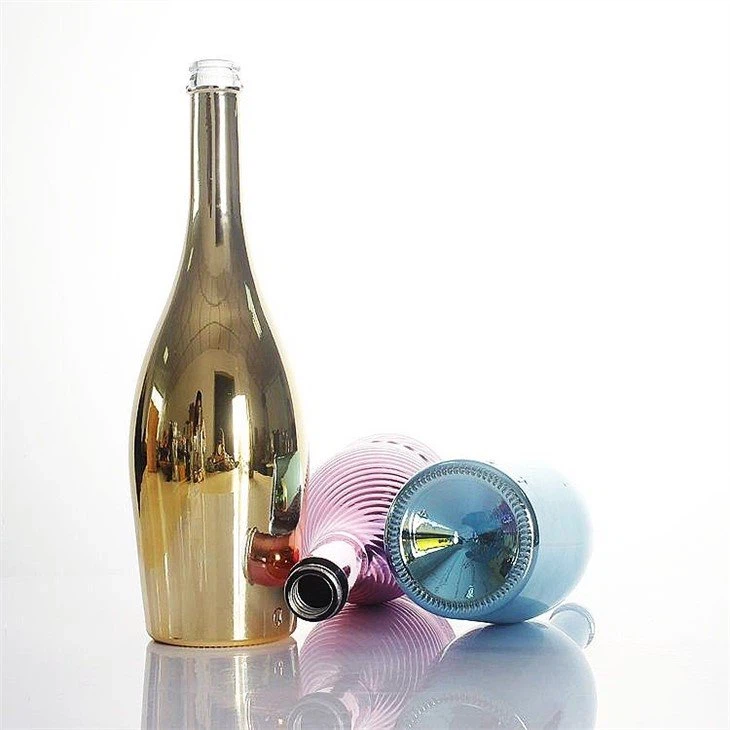
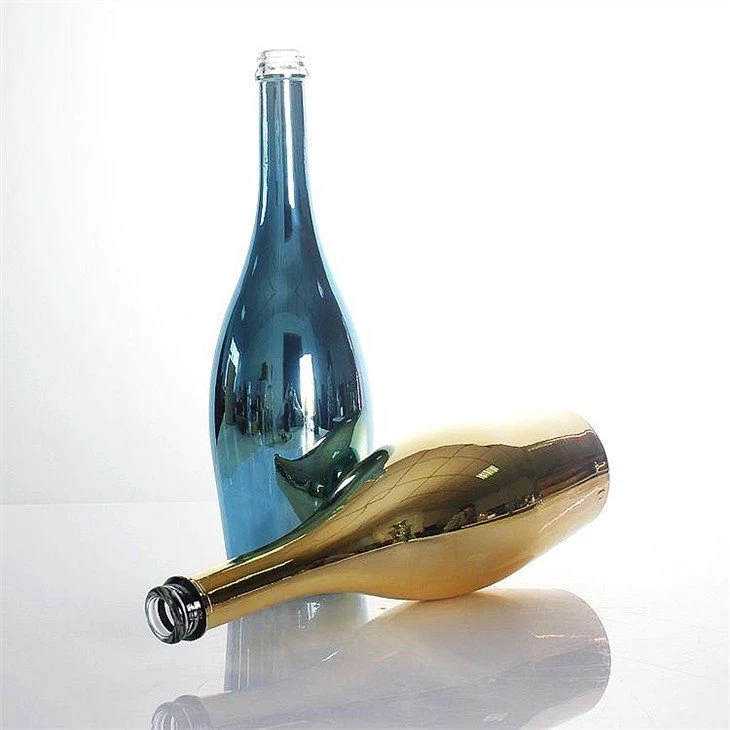
As a leading supplier of [Champagne Bottles], we offer a wide range of high-quality champagne bottles to meet the needs of our customers. Whether you are looking for a classic Champagne Glass Bottle, a personalized Personalised Champagne Bottle for a special occasion, or a luxurious Gold Champagne Bottle to make a statement, we have the perfect bottle for you.
Our champagne bottles are made from the finest materials and are designed to enhance the flavor and aroma of the champagne. We work closely with our partners to ensure that our bottles meet the highest quality standards and are suitable for storing and serving champagne. Whether you are a champagne producer, a distributor, or a retailer, we can provide you with the champagne bottles you need to meet your customers' demands.
Contact Us for Procurement and Consultation
If you are interested in purchasing our champagne bottles or have any questions about our products, please don't hesitate to contact us. Our team of experts is available to assist you with your procurement needs and provide you with professional advice and guidance. We are committed to providing our customers with the best products and services, and we look forward to working with you.
References
- Robinson, J. (Ed.). (2006). The Oxford Companion to Wine. Oxford University Press.
- Jackson, H. (2008). Wine Grapes: A Complete Guide to 1,368 Vine Varieties, Including Their Origins and Flavours. University of California Press.
- Broadbent, M. (2001). Wine Tasting: A Professional Handbook. Mitchell Beazley.