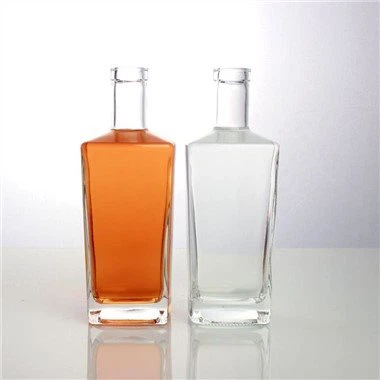
When dealing with liquor bottles as a supplier, safety precautions are of utmost importance. Not only do they protect the well - being of those handling the bottles, but they also ensure the quality and integrity of the products. In this blog, I'll share some essential safety measures that should be taken when handling liquor bottles.
1. Personal Protective Equipment (PPE)
Wearing appropriate PPE is the first line of defense. Gloves are a must - have. They protect your hands from cuts that can occur if a bottle breaks. When handling glass liquor bottles, even a small crack can lead to sharp edges. Latex or nitrile gloves are suitable for general handling, while cut - resistant gloves are ideal when there is a higher risk, such as moving large quantities of bottles or dealing with damaged ones.
Safety glasses are also crucial. Broken glass can fly in all directions when a bottle shatters, and these glasses can prevent eye injuries. In addition, if there is any spillage of the liquor, it may splash into the eyes, causing irritation or more severe damage. Wearing safety glasses can significantly reduce this risk.
2. Storage Safety
Proper storage is essential to prevent accidents. Liquor bottles should be stored in a stable and well - organized manner. Shelves should be sturdy enough to support the weight of the bottles. Overloading shelves can lead to them collapsing, which not only damages the bottles but also poses a serious safety hazard to anyone nearby.
Bottles should be stored upright to prevent leakage. Liquor is flammable, and a spill can create a fire risk. Moreover, storing bottles upright helps maintain the integrity of the seal, ensuring that the quality of the liquor inside remains intact.
It's also important to keep the storage area well - ventilated. Some liquors emit fumes, and in a poorly ventilated space, these fumes can accumulate to dangerous levels. Good ventilation helps disperse the fumes and reduces the risk of inhalation and potential fire hazards.
3. Handling During Transportation
When transporting liquor bottles, they should be packed securely. Using appropriate packaging materials such as foam inserts or cardboard dividers can prevent the bottles from knocking against each other and breaking. The boxes used for transportation should be strong enough to withstand the rigors of handling and transit.
During loading and unloading, care should be taken to avoid dropping or mishandling the boxes. Workers should be trained to lift and move the boxes properly, using their legs instead of their backs to prevent back injuries. If possible, mechanical aids such as pallet jacks or forklifts can be used to move large quantities of bottles safely.
4. Cleaning and Maintenance
Regular cleaning of the storage and handling areas is necessary. Spilled liquor can create a slippery surface, increasing the risk of slips and falls. Any spills should be cleaned up immediately using appropriate cleaning agents.
Inspecting the bottles regularly is also important. Look for signs of damage such as cracks or chips. Damaged bottles should be removed from circulation immediately to prevent further breakage and potential safety issues.
5. Handling Broken Bottles
In the event that a bottle breaks, it's important to handle the situation safely. First, clear the area to prevent anyone from accidentally stepping on the broken glass. Use a broom and dustpan to carefully sweep up the large pieces of glass, and then use a vacuum cleaner with a fine - mesh filter to pick up the smaller shards.
The broken glass should be disposed of in a proper container, such as a heavy - duty cardboard box labeled "broken glass." This helps prevent the glass from puncturing other waste containers and reduces the risk of injury to waste handlers.
6. Product - Specific Precautions
Different types of liquor bottles may require specific safety precautions. For example, Frosted Glass Bottle may be more prone to breakage due to their surface treatment. Extra care should be taken when handling them, and they should be stored in a way that minimizes the risk of impact.
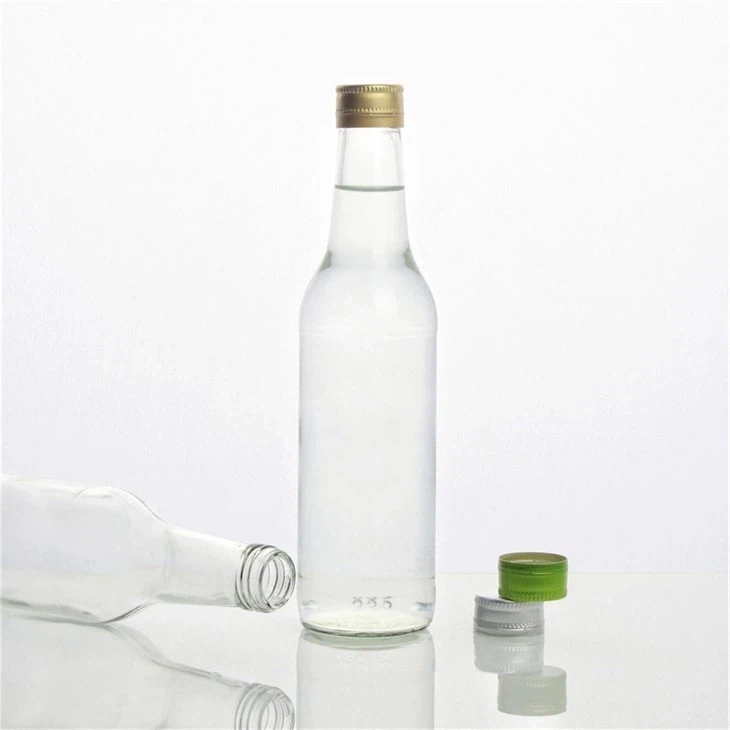
50cl Liquor Glass Bottle may have different weight and balance characteristics compared to other sizes. Workers should be aware of these differences and handle them accordingly.
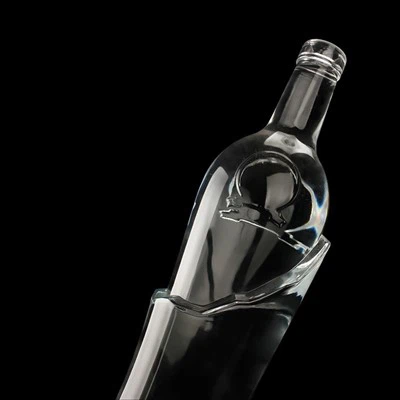
Embossed Liquor Glass Bottle often have raised designs, which can make them more difficult to grip. When handling these bottles, ensure a firm hold to prevent them from slipping out of your hands.
7. Employee Training
All employees involved in handling liquor bottles should receive proper safety training. They should be educated about the potential hazards associated with handling liquor bottles and the safety measures to take. Training should cover topics such as the proper use of PPE, storage and transportation safety, and how to handle broken bottles.
Regular refresher courses should be provided to ensure that employees stay up - to - date with the latest safety procedures. This helps reinforce good safety practices and reduces the likelihood of accidents.
8. Fire Safety
As mentioned earlier, liquor is flammable. Fire safety measures should be in place in all areas where liquor bottles are stored and handled. Fire extinguishers should be readily available and employees should be trained on how to use them.
The storage area should be free from potential ignition sources such as open flames, electrical sparks, or hot surfaces. Smoking should be strictly prohibited in and around the storage and handling areas.


9. Emergency Response Planning
An emergency response plan should be developed and communicated to all employees. This plan should outline the steps to take in the event of an accident such as a fire, spill, or injury. It should include details on evacuation routes, emergency contacts, and first - aid procedures.
Regular emergency drills should be conducted to ensure that employees are familiar with the emergency response plan and can respond quickly and effectively in case of an actual emergency.
Conclusion
As a liquor bottle supplier, safety is our top priority. By following these safety precautions, we can ensure the well - being of our employees, protect the quality of our products, and prevent accidents. Whether you are interested in Frosted Glass Bottle, 50cl Liquor Glass Bottle, or Embossed Liquor Glass Bottle, we are committed to providing high - quality products and ensuring safe handling throughout the process.
If you are interested in purchasing our liquor bottles, we welcome you to contact us for further discussion and procurement negotiations. We look forward to working with you to meet your needs.
References
- OSHA (Occupational Safety and Health Administration) guidelines on handling hazardous materials.
- Industry best practices for liquor bottle storage and handling.