What are the pros and cons of plastic food bottles?
In the dynamic landscape of the food packaging industry, plastic food bottles have emerged as a ubiquitous choice for both suppliers and consumers. As a seasoned food bottle supplier, I've witnessed firsthand the evolution of this packaging solution, along with its myriad advantages and disadvantages. In this blog post, I'll delve into the pros and cons of plastic food bottles, offering insights that can help you make informed decisions for your food packaging needs.
Pros of Plastic Food Bottles
Lightweight and Durable
One of the most significant advantages of plastic food bottles is their lightweight nature. Unlike glass or metal containers, plastic bottles are easy to handle, transport, and store. This not only reduces shipping costs but also minimizes the risk of breakage during transit. For businesses, this translates into lower operational expenses and fewer product losses.
Moreover, plastic is a highly durable material that can withstand a wide range of environmental conditions. It is resistant to corrosion, rust, and impact, making it an ideal choice for packaging food products that require long-term storage. Whether it's a bottle of olive oil or a container of salad dressing, plastic food bottles can protect the contents from damage and ensure their freshness.
Cost-Effective
Plastic is a relatively inexpensive material compared to glass or metal, making plastic food bottles a cost-effective packaging solution. The manufacturing process for plastic bottles is also more efficient, allowing for large-scale production at a lower cost. This makes plastic bottles an attractive option for businesses looking to reduce their packaging expenses without compromising on quality.
In addition, plastic food bottles can be recycled, which further reduces their environmental impact and cost. Recycling plastic bottles helps to conserve natural resources, reduce energy consumption, and minimize waste sent to landfills. By choosing plastic food bottles, businesses can demonstrate their commitment to sustainability while also saving money.
Versatile Design
Plastic food bottles offer a wide range of design options, allowing businesses to create unique and eye-catching packaging for their products. Plastic can be molded into various shapes and sizes, making it suitable for packaging different types of food products. Whether you need a small bottle for a single-serve product or a large container for bulk items, plastic food bottles can be customized to meet your specific requirements.
Furthermore, plastic bottles can be printed with high-quality graphics and labels, which helps to enhance brand visibility and attract consumers. The ability to customize the design of plastic food bottles makes them a powerful marketing tool for businesses, allowing them to differentiate their products from competitors and increase sales.
Barrier Properties
Plastic food bottles can be engineered to provide excellent barrier properties, protecting the contents from oxygen, moisture, light, and other environmental factors. This helps to extend the shelf life of food products and maintain their quality and freshness. For example, plastic bottles with a high oxygen barrier can prevent the oxidation of oils and fats, which can cause them to go rancid.
In addition, plastic bottles can be designed to be tamper-evident, providing an extra layer of security for consumers. Tamper-evident features such as seals and caps can help to prevent product contamination and ensure the safety of the contents.
Cons of Plastic Food Bottles
Environmental Impact
One of the biggest concerns associated with plastic food bottles is their environmental impact. Plastic is a non-biodegradable material that can take hundreds of years to decompose in landfills. This means that plastic bottles can accumulate in the environment, causing pollution and harm to wildlife.
In addition, the production of plastic bottles requires the use of fossil fuels, which contributes to greenhouse gas emissions and climate change. The disposal of plastic bottles also generates a significant amount of waste, which can overload landfills and incinerators.
To address these environmental concerns, many businesses are now turning to more sustainable packaging solutions, such as glass or biodegradable plastics. While these alternatives may be more expensive, they offer a more environmentally friendly option for packaging food products.
Health Risks
Another potential drawback of plastic food bottles is the health risks associated with certain types of plastics. Some plastics contain chemicals such as bisphenol A (BPA) and phthalates, which have been linked to a variety of health problems, including cancer, reproductive issues, and developmental disorders.
To minimize the health risks associated with plastic food bottles, it's important to choose bottles that are made from food-grade plastics and are free from harmful chemicals. Look for bottles that are labeled as BPA-free and phthalate-free, and avoid using plastic bottles that are scratched or damaged, as these can release chemicals into the food or beverage.
Limited Heat Resistance
Plastic food bottles have limited heat resistance compared to glass or metal containers. This means that they may not be suitable for packaging hot or warm food products, as the plastic can melt or warp under high temperatures. In addition, plastic bottles may not be suitable for use in the microwave or dishwasher, as the heat can cause the plastic to break down and release chemicals into the food or beverage.
To avoid these issues, it's important to follow the manufacturer's instructions when using plastic food bottles. If you need to heat or warm a food product, transfer it to a glass or metal container before heating.
Conclusion
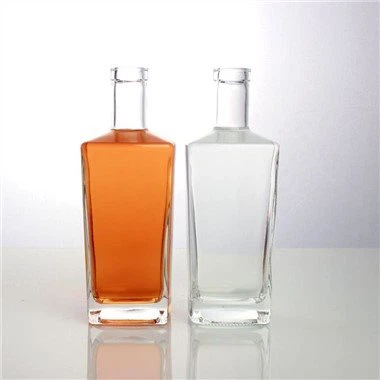
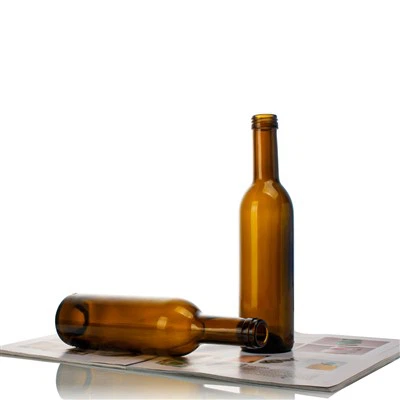
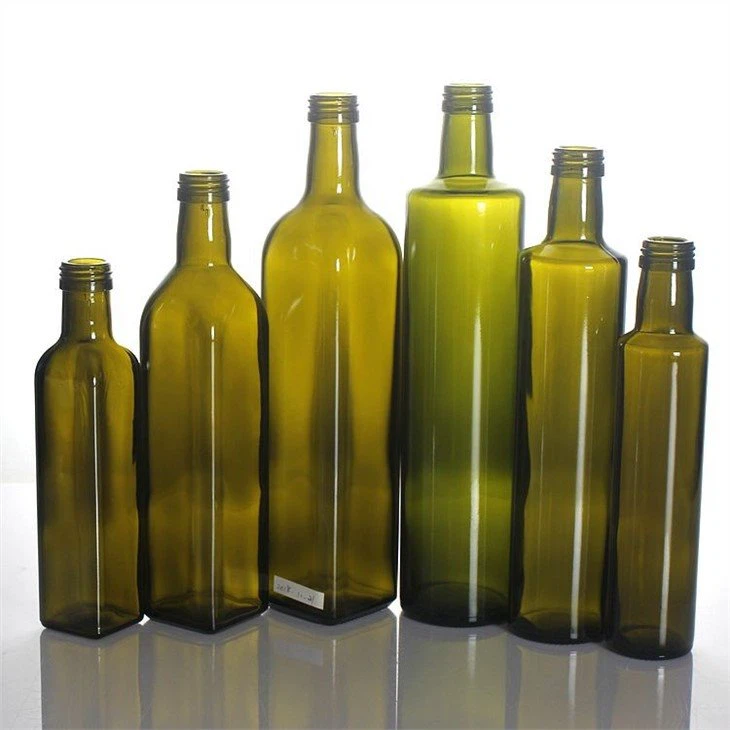
In conclusion, plastic food bottles offer a number of advantages, including lightweight, durability, cost-effectiveness, versatile design, and barrier properties. However, they also have some disadvantages, such as environmental impact, health risks, and limited heat resistance. As a food bottle supplier, I understand the importance of choosing the right packaging solution for your products. That's why I offer a wide range of food bottles, including Olive Oil Glass Bottle, Olive Oil Bottle, and Multi-Size Brown Olive Oil Glass Bottle, to meet the diverse needs of my customers.
If you're looking for a reliable and sustainable packaging solution for your food products, I encourage you to contact me to discuss your options. I can help you choose the right type of food bottle for your products, based on your specific requirements and budget. Whether you're a small business or a large corporation, I'm committed to providing you with high-quality packaging solutions that meet your needs and exceed your expectations.

References
- "The Environmental Impact of Plastic Packaging." World Wildlife Fund.
- "Health Risks Associated with BPA and Phthalates." Centers for Disease Control and Prevention.
- "Plastic Packaging: A Sustainable Future." Plastics Industry Association.