A premium whiskey bottle is more than just a container; it is a statement of quality, craftsmanship, and heritage. As a whiskey bottle supplier, I have had the privilege of working closely with distilleries and brands to understand what makes a whiskey bottle truly premium. In this blog post, I will explore the key characteristics that define a premium whiskey bottle, from its design and materials to its functionality and branding.
Design
The design of a premium whiskey bottle is often the first thing that catches the eye. It should be visually appealing, unique, and reflective of the brand's identity. A well-designed bottle can create a sense of anticipation and excitement, making the consumer more likely to pick it up and explore further.
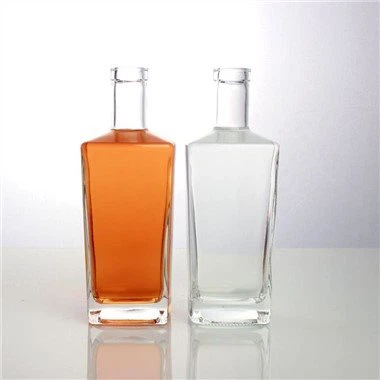
- Shape and Form: The shape of a whiskey bottle can vary widely, from traditional rectangular or round bottles to more innovative and distinctive designs. Some premium whiskey bottles feature unique shapes that are inspired by the brand's history or the region where the whiskey is produced. For example, a bottle might be shaped like a traditional Scottish whisky cask or a classic American bourbon barrel.
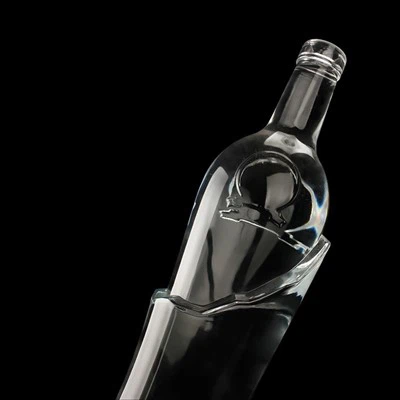
- Labeling and Decoration: The labeling and decoration of a whiskey bottle are crucial for communicating the brand's message and creating a memorable impression. Premium whiskey bottles often feature high-quality labels that are printed with detailed graphics, embossed lettering, or gold leaf accents. The labels may also include information about the whiskey's origin, age, and flavor profile. In addition to labels, some premium whiskey bottles are decorated with other elements, such as glass etching, metal caps, or custom closures.
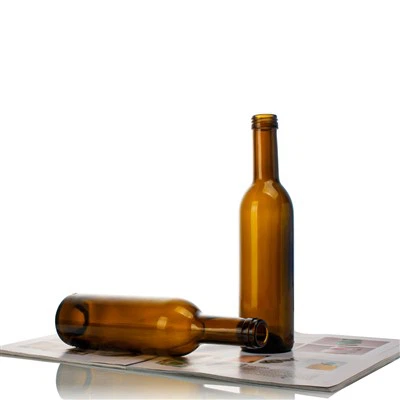
- Color and Transparency: The color and transparency of a whiskey bottle can also play an important role in its overall design. Dark-colored bottles, such as amber or green, are often used to protect the whiskey from light and prevent oxidation. However, some premium whiskey brands prefer to use clear glass bottles to showcase the color and clarity of the whiskey inside. The transparency of the bottle can also affect the way the whiskey looks when it is poured, adding to the overall sensory experience.
Materials
The materials used to make a premium whiskey bottle are another important factor that contributes to its quality and value. High-quality materials not only enhance the aesthetic appeal of the bottle but also ensure its durability and functionality.
- Glass: Glass is the most common material used for whiskey bottles, and for good reason. It is inert, meaning it does not react with the whiskey, and it provides an excellent barrier against oxygen and light. Premium whiskey bottles are typically made from high-quality glass that is thick, heavy, and resistant to breakage. The glass may also be treated with special coatings or finishes to enhance its clarity, smoothness, or resistance to scratches.
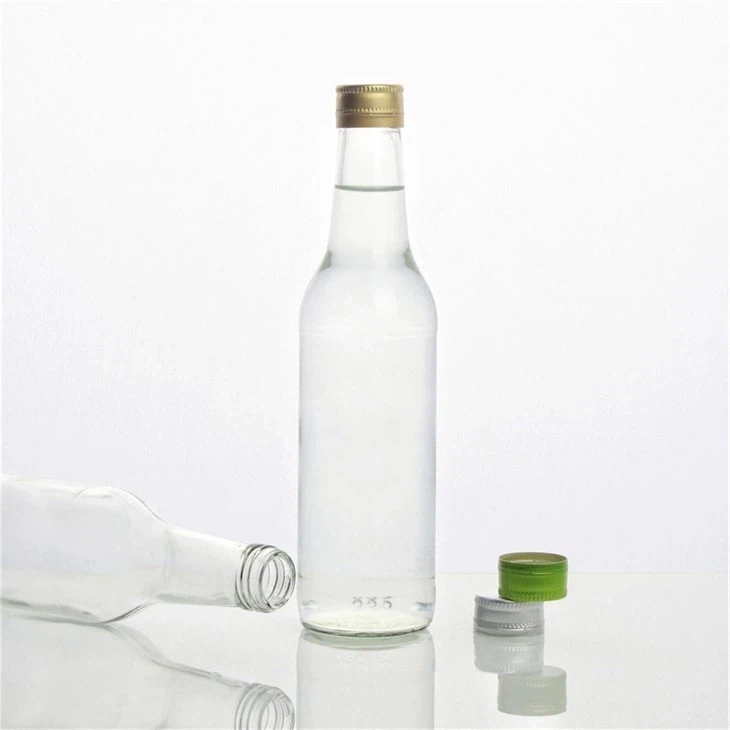
- Closures: The closure of a whiskey bottle is an important component that helps to preserve the quality and flavor of the whiskey. Premium whiskey bottles often feature high-quality closures, such as corks, screw caps, or custom-designed stoppers. Corks are a traditional choice for whiskey bottles, as they allow the whiskey to breathe slightly and develop over time. However, screw caps are becoming increasingly popular, as they provide a more secure seal and are easier to open and close.
- Other Materials: In addition to glass and closures, some premium whiskey bottles may incorporate other materials, such as metal, wood, or ceramic. These materials can add a touch of luxury and sophistication to the bottle and make it more unique and collectible. For example, a whiskey bottle might be packaged in a custom-designed wooden box or presented with a metal flask or decanter.
Functionality
While the design and materials of a premium whiskey bottle are important for its aesthetic appeal, its functionality is equally crucial. A well-designed bottle should be easy to handle, pour, and store, and it should protect the whiskey from damage and spoilage.


- Ergonomics: The ergonomics of a whiskey bottle refer to its shape and design in relation to how it feels in the hand. A premium whiskey bottle should be comfortable to hold and easy to pour, with a balanced weight and a smooth, non-slip surface. The shape of the bottle should also allow for easy access to the whiskey, without requiring excessive tilting or shaking.
- Pouring and Dispensing: The pouring and dispensing mechanism of a whiskey bottle is another important aspect of its functionality. Premium whiskey bottles often feature a well-designed neck and opening that allows for a smooth and controlled pour. Some bottles may also be equipped with special features, such as a drip-free spout or a pourer insert, to make pouring even easier and more precise.
- Storage and Preservation: A premium whiskey bottle should be designed to protect the whiskey from damage and spoilage during storage. This includes providing a tight seal to prevent oxygen from entering the bottle and causing oxidation, as well as protecting the whiskey from light and heat. Some premium whiskey bottles may also be designed to be stackable or stored in a specific orientation to minimize the risk of breakage.
Branding
Branding is an essential element of a premium whiskey bottle, as it helps to differentiate the product from its competitors and create a strong brand identity. A well-branded whiskey bottle should communicate the brand's values, heritage, and personality, and it should appeal to the target market.
- Brand Identity: The brand identity of a whiskey bottle is reflected in its design, labeling, and packaging. It should be consistent with the brand's overall image and messaging, and it should convey a sense of quality, authenticity, and exclusivity. For example, a premium whiskey brand might use a classic and elegant design that reflects its long history and tradition, or it might adopt a more modern and innovative approach to appeal to a younger audience.
- Storytelling: Premium whiskey brands often use storytelling as a way to connect with consumers and create an emotional bond. The labeling and packaging of a whiskey bottle can be used to tell the story of the brand's origin, the whiskey-making process, or the inspiration behind the product. By sharing these stories, brands can create a deeper sense of engagement and loyalty among their customers.
- Collectibility: Some premium whiskey bottles are designed to be collectible, with limited editions, special releases, or unique packaging. Collectible whiskey bottles can be highly sought after by whiskey enthusiasts and collectors, and they can command a premium price in the market. Brands can use collectibility as a way to create buzz and excitement around their products, as well as to build a community of loyal customers.
Conclusion
In conclusion, a premium whiskey bottle is a combination of design, materials, functionality, and branding. It is a statement of quality, craftsmanship, and heritage, and it plays an important role in the overall consumer experience. As a whiskey bottle supplier, I understand the importance of these characteristics and work closely with distilleries and brands to create bottles that meet their specific needs and expectations.
If you are interested in learning more about our Bourbon Whiskey Glass Bottle, 750ml Whiskey Glass Bottle, or 750ml Printing Whiskey Glass Bottle, or if you have any questions about our products or services, please do not hesitate to contact us. We would be happy to discuss your requirements and provide you with a customized solution that meets your needs.
References
- "The Art of Whiskey Packaging." Whiskey Advocate.
- "How to Choose the Right Whiskey Bottle." The Spruce Eats.
- "The Importance of Branding in the Whiskey Industry." Forbes.