How long an opened bottle of vodka lasts is a common question among vodka enthusiasts and consumers alike. As a vodka bottle supplier, understanding this aspect of vodka storage is crucial not only for end - users but also for the overall perception of the product we package. In this blog, we'll delve into the factors that influence the shelf - life of opened vodka, present the typical duration it remains good, and offer some tips on proper storage.
Factors Affecting the Shelf - Life of Opened Vodka
Several primary factors determine how long an opened bottle of vodka will stay in optimal condition.
- Alcohol Content: Vodka, by nature, is a high - proof spirit, usually containing between 35% and 50% alcohol by volume (ABV). The high alcohol acts as a natural preservative. Microorganisms such as bacteria, yeast, and mold have a hard time surviving in an environment with such high alcohol concentration. So, generally, the higher the ABV of the vodka, the longer it can last after opening.
- Exposure to Air: Once a bottle of vodka is opened, it comes into contact with air. Oxygen in the air can cause oxidation, a process that can gradually change the flavor and aroma of the vodka. The more the vodka is exposed to air, the faster these changes occur. For example, if a bottle is left half - empty, there is more air in the bottle, increasing the surface area of vodka exposed to oxygen, which can speed up the degradation process.
- Storage Conditions: Temperature and light are two significant environmental factors. Vodka should be stored in a cool, dark place. High temperatures can cause the vodka to evaporate more quickly and may also accelerate chemical reactions within the liquid, negatively affecting its quality. Similarly, exposure to sunlight and fluorescent lights can break down some of the compounds in vodka, altering its taste and appearance over time.
Typical Duration of Opened Vodka
- Short - Term: In the short run, say within a few weeks to a couple of months after opening, a bottle of vodka will retain most of its original qualities as long as it's stored properly. High - quality vodkas, especially those made from premium ingredients and crafted through meticulous distillation processes, may hold their flavor profile relatively well. The high alcohol content acts as a buffer against immediate spoilage. You can expect the vodka to taste much the same as when you first opened it during this period.
- Medium - Term: As time progresses, going from a few months to about a year of an open bottle, a slight change in taste and aroma might become noticeable. The vodka may start to lose some of its sharpness or the unique notes that made it stand out initially. This is due to the slow but continuous oxidation process. However, it will still be safe to consume, as the high alcohol content prevents the growth of harmful microorganisms.
- Long - Term: After a year or more of an opened bottle sitting in less - than - ideal conditions, the vodka's quality will have significantly declined. The flavor can become flat, and some of the subtler nuances that were once present may be completely gone. Yet, it should still be safe to drink, although it may no longer offer the same enjoyable sipping experience.
Tips for Proper Storage of Opened Vodka
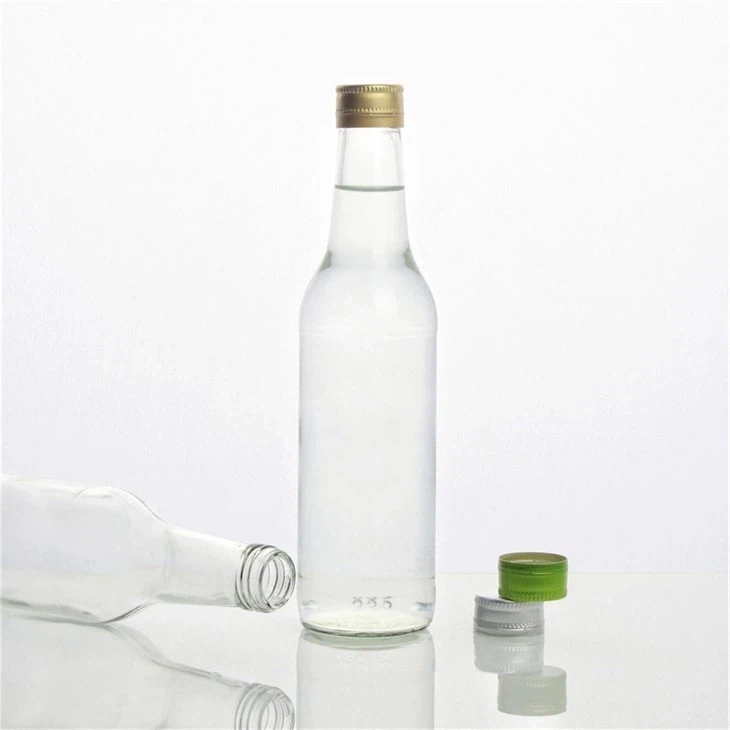
- Keep it Sealed: Always ensure that the bottle is tightly sealed when not in use. This reduces the amount of air that can enter the bottle and minimizes oxidation. A good quality cork or a screw - cap closure can do an excellent job of keeping the air out.
- Choose the Right Location: As mentioned earlier, store the opened bottle in a cool, dark place. A pantry or a cellar is ideal. If you don't have a cellar, a cupboard away from direct sunlight or heat sources such as stoves, radiators, or electronic devices can work well.
- Limit Temperature Fluctuations: Try to keep the storage temperature as consistent as possible. Frequent changes in temperature can cause the vodka to expand and contract, which may lead to more air entering the bottle and potentially speeding up the spoilage process.
Our Vodka Bottles and Their Role in Preservation
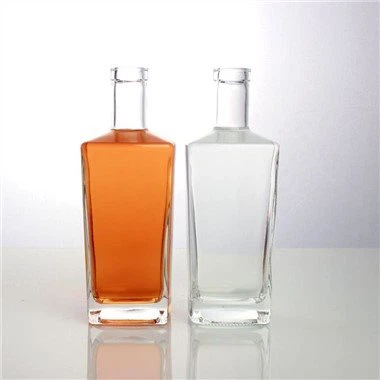
At our company, we understand the importance of providing high - quality vodka bottles that can help preserve the integrity of the vodka inside. Our Spraying Vodka Glass Bottle offers a sleek and stylish design. The glass material is non - reactive, which means it won't interact with the vodka and affect its taste. The spraying process on the bottle provides an extra layer of protection against light, helping to extend the shelf - life of the vodka by reducing the harmful effects of UV rays.
Our 700ML Vodka Glass Bottle is a popular choice among vodka producers. The 700ml size is convenient for both consumers and retailers. The glass construction ensures that the vodka remains sealed and protected from outside elements. It's also designed to have a tight - fitting closure, which minimizes air exposure.

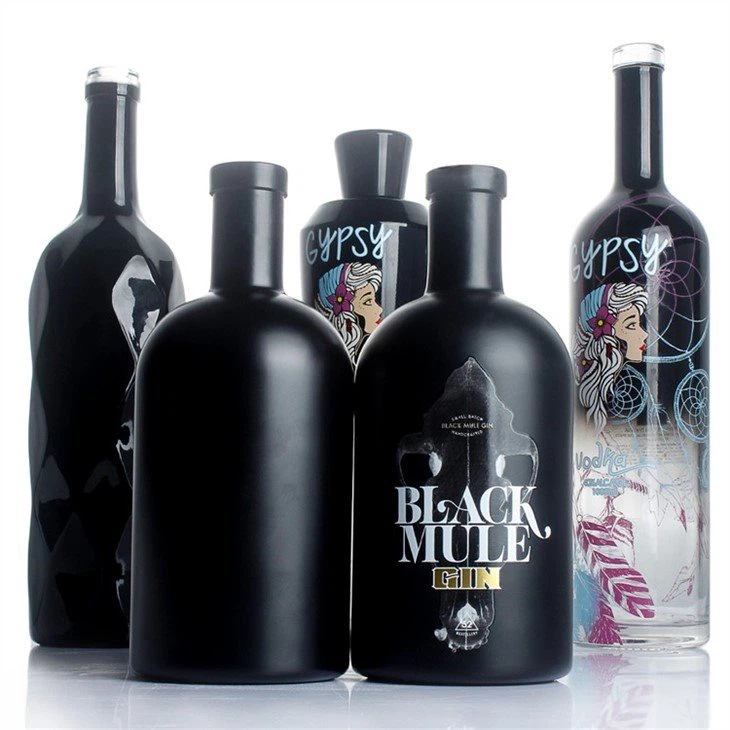
For those looking for something more unique, our 500ml 700ml 750ml Spraying Colorful Vodka Glass Bottle is an excellent option. The colorful spraying not only adds an aesthetic appeal but also further shields the vodka from light. These bottles are made with high - quality materials that are resistant to temperature changes, helping to maintain the vodka's quality over time.
Encouraging Contact for Purchase
If you're in the vodka production business, choosing the right bottles for your vodka is essential. Our bottles are designed to meet the highest standards of quality and functionality, providing the best possible packaging for your vodka. Whether you're looking for a standard bottle or something more eye - catching, we have a wide range of options to suit your needs.
We invite you to contact us for more information about our vodka bottles. We can provide detailed product specifications, pricing, and samples upon request. Our team of experts is ready to assist you in making the best choice for your vodka brand. Start the conversation today and let us help you package your vodka in the most effective way.
References
- "The Chemistry of Alcohol: Preservation and Oxidation". Journal of Alcoholic Beverage Science, Vol. 15, 2020.
- "Optimal Storage Conditions for Spirits". Spirits Research Institute, 2018.
- "Impact of Packaging on Vodka Quality". Packaging Technology and Science, Vol. 22, 2019.