As a supplier of whiskey bottles, I often encounter questions from customers about how to verify the origin of a whiskey bottle. This is a crucial aspect, especially in an industry where authenticity and quality are highly valued. In this blog, I will share some effective methods that can help you determine the true origin of a whiskey bottle.
1. Label Analysis
The label on a whiskey bottle is like a passport, containing a wealth of information about its origin. First, check the spelling and grammar on the label. Authentic whiskey producers from different regions follow specific language norms. For example, Scottish whiskey labels are usually in English with a proper British English style. Any misspellings or incorrect grammar could be a red flag.
Look for details such as the distillery name and location. Reputable distilleries often take pride in showcasing their geographical origin. For instance, if it claims to be a Scotch whiskey, the label should clearly state the distillery's location in Scotland. Some labels also provide information about the age statement, which indicates how long the whiskey has been aged in barrels. This can be a good indicator of quality and origin, as different regions have their own aging traditions.
Another important aspect is the logo and branding. Genuine whiskey brands have well - designed and consistent logos. Any signs of poor quality printing, blurry images, or inconsistent branding could suggest a counterfeit product. Many well - known whiskey brands also use special inks or holograms on their labels for security purposes.
2. Bottle Design and Packaging
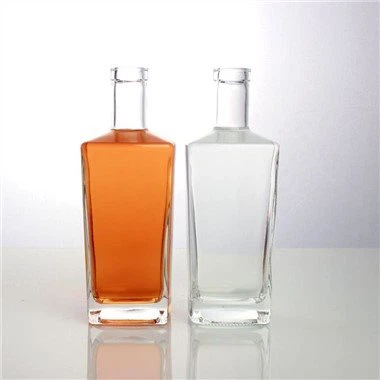
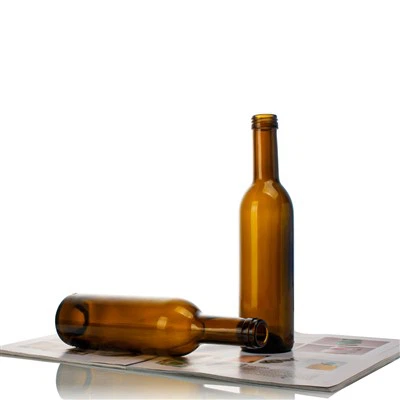
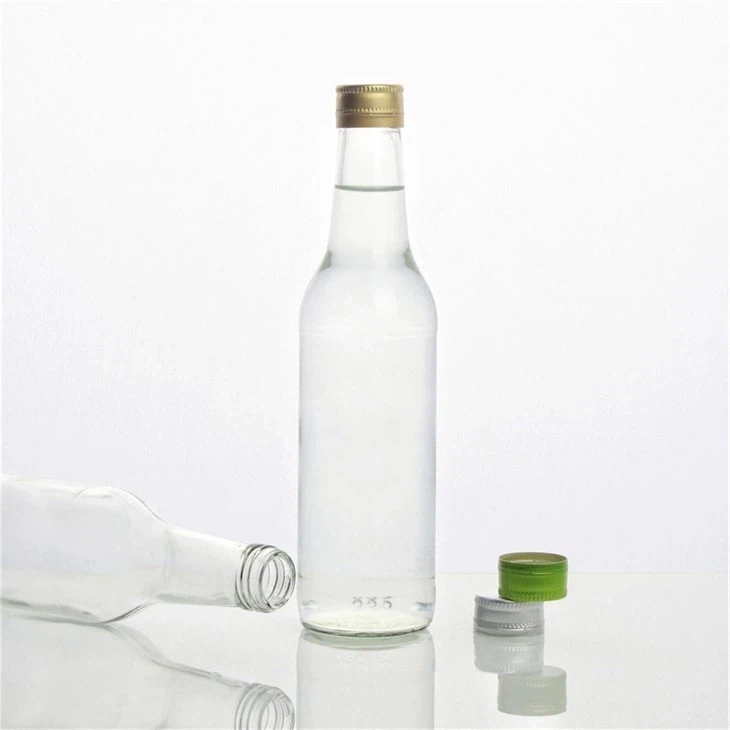
The design of the whiskey bottle itself can offer clues about its origin. Different regions have distinct bottle shapes and sizes that are often associated with their local whiskey production. For example, 750ml Whiskey Glass Bottle is a common size, but the shape can vary. Scotch whiskey bottles may have a more traditional and elegant shape, while American bourbon bottles, like Bourbon Whiskey Glass Bottle or Bourbon Glass Bottle, might have a more robust and straightforward design.
Examine the quality of the glass. High - end whiskey bottles are usually made from thick, high - quality glass. Cheaper imitations may use thinner glass that feels flimsy. The closure of the bottle is also important. Authentic whiskey bottles often have well - crafted corks or caps. Some premium brands use unique closures, such as wax - sealed corks, which are difficult to replicate.
The packaging that comes with the bottle can also be a tell - tale sign. Genuine whiskey is often presented in high - quality boxes with detailed information about the product. Check for any signs of poor construction, such as loose seams or misaligned printing on the box.
3. Documentation and Certification
Many whiskey producers provide documentation to prove the origin and authenticity of their products. Look for certificates of origin, which are official documents that state where the whiskey was produced. These certificates are usually issued by relevant authorities in the production region.
Some whiskey bottles also come with serial numbers or codes. You can contact the producer or visit their official website to verify these numbers. Reputable producers maintain databases of their products, and they can confirm if the bottle in question is genuine.
4. Taste and Aroma
While this method requires some expertise, the taste and aroma of the whiskey can also indicate its origin. Different regions have unique ingredients and production methods that result in distinct flavor profiles.
For example, Scotch whiskey is often characterized by its smoky, peaty flavor, which comes from the use of peat - smoked malted barley. American bourbon, on the other hand, has a sweeter flavor due to the high percentage of corn used in its production. If the taste of the whiskey does not match the expected flavor profile of its claimed origin, it could be a sign of a counterfeit or mislabeled product.
5. Purchase from Reputable Sources
One of the simplest ways to ensure the origin of a whiskey bottle is to buy from trusted suppliers. As a whiskey bottle supplier, I understand the importance of sourcing products from reliable producers. When you purchase from well - established liquor stores, authorized distributors, or directly from the distillery, you are more likely to get a genuine product.
Avoid buying whiskey from unknown online sellers or street vendors, as these sources may be more likely to sell counterfeit products. Reputable sellers are usually willing to provide information about the origin and authenticity of their products, and they may even offer guarantees.
6. Research the Producer
Before purchasing a whiskey bottle, take some time to research the producer. Look for information about their history, production methods, and reputation. Reputable distilleries have a long - standing tradition of quality and authenticity. You can find this information on their official websites, industry publications, or online forums.


Check if the producer has won any awards or has been recognized for their products. Awards are a good indication of quality and can give you more confidence in the origin of the whiskey.
7. Consult Experts
If you are still unsure about the origin of a whiskey bottle, consider consulting experts in the field. There are whiskey enthusiasts, collectors, and professional tasters who have extensive knowledge about different whiskey brands and their origins. You can join whiskey clubs or online communities where you can ask questions and get advice from experienced individuals.
In conclusion, verifying the origin of a whiskey bottle requires a combination of careful observation, research, and sometimes expert opinion. As a whiskey bottle supplier, I am committed to providing high - quality bottles that meet the standards of authenticity and origin. If you are in the market for whiskey bottles, whether it's 750ml Whiskey Glass Bottle, Bourbon Whiskey Glass Bottle, or Bourbon Glass Bottle, I invite you to contact me for further discussions on your procurement needs.
References
- "The World of Whiskey" by Dave Broom
- "Whiskey: The Definitive Guide" by Clay Risen
- Industry reports from the Scotch Whisky Association and the American Distilling Institute.