Yo, what's up, fellow rum lovers! I'm stoked to be here as a rum bottle supplier to spill the beans on how to read those labels on rum bottles. It's like a little treasure map that can tell you all sorts of cool stuff about the rum inside.
The Basics of a Rum Bottle Label
First things first, when you pick up a rum bottle, the label is your window into what you're getting. It's got a bunch of info that helps you understand the rum better. The most obvious stuff is the brand name. This is like the signature of the rum. Some brands are super well - known and have a reputation for quality, while others are up - and - coming gems.
Then there's the name of the rum itself. Sometimes, it'll tell you something about the style, like "Spiced Rum" or "Dark Rum". A spiced rum usually has added flavors like cinnamon, nutmeg, or cloves, which gives it a warm and spicy kick. Dark rum, on the other hand, has a richer, more complex flavor, often with hints of molasses and caramel.
The label also shows the alcohol by volume (ABV). This is a big deal. It tells you how strong the rum is. For example, if it says 40% ABV, that means 40% of the liquid in the bottle is pure alcohol. If you're a light drinker, you might want to go for a lower ABV rum, like one with 35% ABV. But if you're a real rum connoisseur looking for a more intense experience, a higher ABV, say 50% or more, could be your jam.
Region and Production Information
Rum can come from all over the world, and the region it's from can have a huge impact on its flavor. The label often tells you where the rum was made. For instance, if it's from the Caribbean, it'll probably have that tropical vibe. Caribbean rums are known for their smooth, fruity, and sometimes even floral notes. Jamaican rums, in particular, are famous for their bold, funky flavor, which comes from the unique fermentation process they use.
Other regions like Central America and South America also produce great rum. Venezuelan rums, for example, are often smooth and have a balanced flavor profile. And if you see a rum from Cuba, well, you know you're in for something special. Cuban rums are renowned for their high - quality and rich, complex flavors.
The label might also give you some info about how the rum was produced. Some rums are made from molasses, which is a by - product of sugar production. Others are made directly from sugarcane juice. The production method can affect the final flavor. Rums made from sugarcane juice tend to have a fresher, more natural taste, while those made from molasses can be darker and more robust.
Age and Maturation
Age is another important factor when it comes to rum. The label might tell you how long the rum has been aged in barrels. Aged rums are usually more expensive, but they're also smoother and more complex in flavor. A young rum, say less than 3 years old, might be a bit harsh and more one - dimensional. But when a rum is aged for 5, 10, or even 20 years, it develops all sorts of amazing flavors.
During the aging process, the rum absorbs flavors from the wooden barrels. Oak barrels are the most common, and they can add notes of vanilla, caramel, and chocolate to the rum. Some rums are aged in used whiskey barrels, which gives them an extra layer of complexity.
It's important to note that not all rum labels will give you an exact age. Some rums are a blend of different ages, and the label might just give you an average age. For example, if it says "8 - year - old rum blend", it means the blend has an average age of 8 years, but individual components could be younger or older.
Packaging and Bottle Design
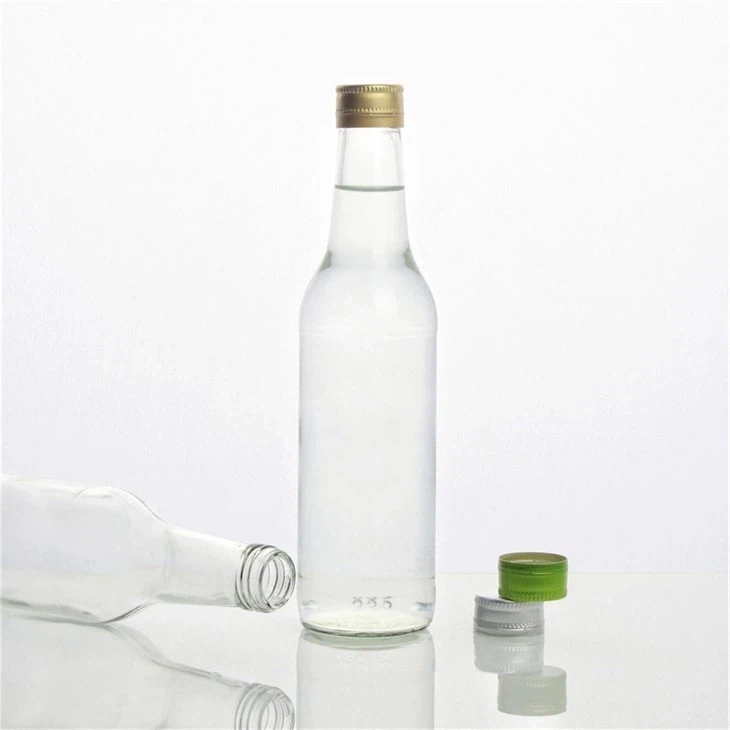
As a rum bottle supplier, I know that the bottle itself is also a part of the whole experience. Rum Glass Bottle With Screw Cap is a popular choice. It's convenient and easy to use, and it keeps the rum fresh. The screw - cap design also makes it great for on - the - go sipping.
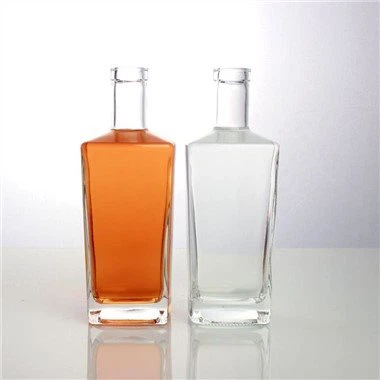
Another cool option is the 700ml Rum Oslo Apothek Glass Bottle. This bottle has a unique design that gives it a touch of elegance. It's perfect for those who want to make a statement with their rum collection.
The label on the bottle can also be designed in different ways. Some labels are simple and minimalist, while others are more elaborate and decorative. A well - designed label can really enhance the overall appeal of the rum.
Pairing and Serving Suggestions
The rum label might also offer some pairing and serving suggestions. If it's a spiced rum, it might suggest mixing it with cola for a classic rum and Coke. Dark rum goes great with ginger beer to make a delicious Dark and Stormy. And if you have a high - quality, aged rum, it's often best to enjoy it neat or on the rocks, so you can really savor the complex flavors.
Pairing rum with food is also a fun way to enjoy it. Spiced rum pairs well with spicy foods, as the flavors complement each other. Dark rum goes great with rich desserts like chocolate cake or crème brûlée. And lighter rums can be paired with seafood or tropical fruits.


Why Reading the Label Matters
Reading the label on a rum bottle is important because it helps you make an informed choice. You can choose a rum based on your personal taste preferences, whether you like it sweet, spicy, or smooth. It also gives you an idea of the quality and origin of the rum.
If you're a bartender, reading the label can help you create the perfect cocktails. You can choose rums that will work well together in a mix or complement the other ingredients in a drink. And if you're just someone who likes to enjoy a good rum now and then, the label can help you discover new and exciting rums to try.
Contact Us for Your Rum Bottle Needs
If you're in the market for high - quality rum bottles, whether you're a distillery, a bar, or just someone looking to start your own rum collection, we've got you covered. We offer a wide range of rum bottles in different styles and sizes. Contact us to start a conversation about your specific needs. We're always here to help you find the perfect bottles for your rum.
References
- "The Rum Bible" by Martin Cate
- "Rum: A Global History" by Richard Foss