Preventing a gin bottle from leaking is crucial for both consumers and suppliers like me. As a gin bottle supplier, I understand the importance of ensuring that our products reach customers in perfect condition, free from any leakage issues. In this blog post, I will share some effective strategies to prevent gin bottles from leaking, drawing on my experience in the industry.
Understanding the Causes of Leakage
Before we delve into prevention methods, it's essential to understand the common causes of gin bottle leakage. One of the primary reasons is a faulty seal. If the bottle cap or cork is not properly fitted, it can allow the gin to seep out over time. This can happen during the manufacturing process if the sealing equipment is not calibrated correctly or if there are defects in the caps or corks themselves.
Another cause of leakage is damage to the bottle. Cracks or chips in the glass can compromise the integrity of the bottle and lead to leaks. This can occur during transportation, storage, or handling. Additionally, changes in temperature and pressure can also cause the gin to expand or contract, putting stress on the seal and potentially leading to leakage.
Choosing the Right Bottle
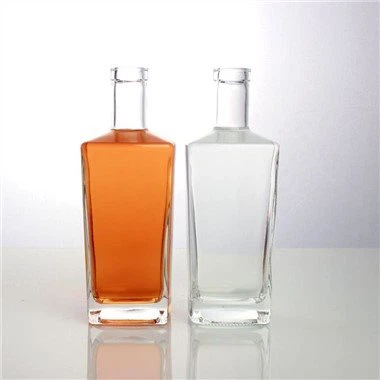
The first step in preventing leakage is to choose the right bottle. At our company, we offer a variety of high-quality gin bottles, including the Super Flint Gin Glass Bottle, Extra Flint Gin Bottle, and 500ML Gin Glass Bottle. These bottles are made from thick, durable glass that is resistant to cracks and chips. They also feature a tight-fitting seal to prevent leakage.
When selecting a bottle, it's important to consider the size and shape of the bottle, as well as the type of gin it will be used to store. Some gins have a higher alcohol content or a more complex flavor profile, which may require a specific type of bottle to preserve its quality. For example, a gin with a high alcohol content may be more likely to evaporate if stored in a bottle with a large surface area, so a smaller, more compact bottle may be a better choice.
Proper Sealing Techniques
Once you have chosen the right bottle, it's important to ensure that it is properly sealed. This involves using the correct type of cap or cork and applying it with the right amount of pressure. At our company, we use state-of-the-art sealing equipment to ensure that each bottle is sealed tightly and securely.
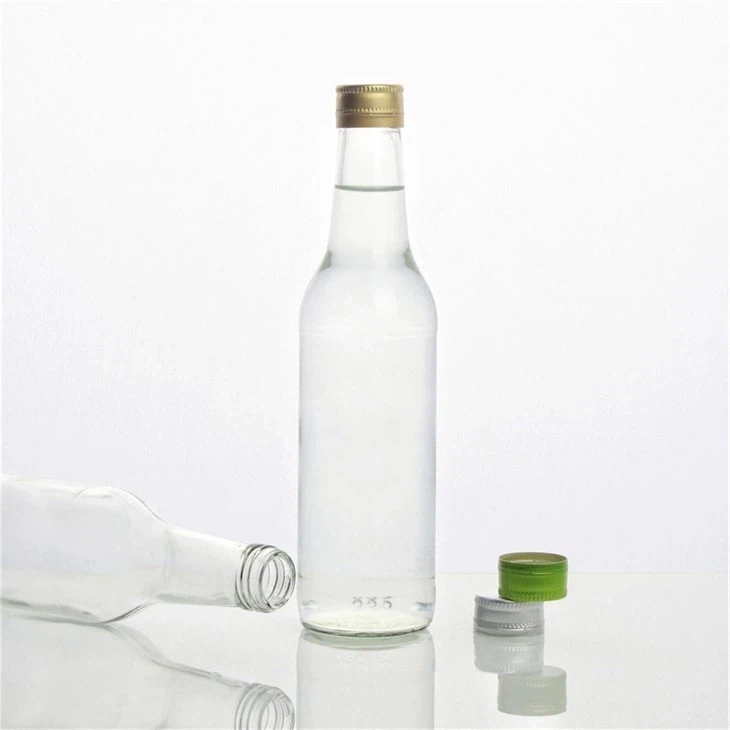
When using a cap, it's important to make sure that it is the correct size and shape for the bottle. A cap that is too small or too large may not fit properly, leading to leakage. Additionally, the cap should be made from a material that is resistant to corrosion and oxidation, such as stainless steel or plastic.
When using a cork, it's important to make sure that it is properly inserted into the bottle. A cork that is not inserted deeply enough may not create a tight seal, while a cork that is inserted too deeply may damage the bottle. Additionally, the cork should be made from a high-quality material, such as natural cork or synthetic cork, to ensure a tight seal.
Packaging and Transportation
Proper packaging and transportation are also essential for preventing gin bottle leakage. At our company, we use high-quality packaging materials to protect our bottles during shipping. This includes using foam inserts or bubble wrap to cushion the bottles and prevent them from shifting during transit.
When transporting gin bottles, it's important to make sure that they are stored in a cool, dry place. Extreme temperatures and humidity can cause the gin to expand or contract, putting stress on the seal and potentially leading to leakage. Additionally, the bottles should be stored upright to prevent the gin from coming into contact with the seal and causing it to loosen.
Quality Control
Finally, it's important to implement a rigorous quality control program to ensure that all gin bottles are free from leakage before they are shipped to customers. At our company, we have a team of experienced quality control professionals who inspect each bottle before it leaves our facility. This includes checking the seal, the bottle for cracks or chips, and the label for accuracy.
In addition to our in-house quality control program, we also work closely with our suppliers to ensure that they are using high-quality materials and manufacturing processes. This helps to ensure that our gin bottles are of the highest quality and are free from leakage.
Conclusion
Preventing gin bottle leakage is essential for both consumers and suppliers. By choosing the right bottle, using proper sealing techniques, packaging and transporting the bottles correctly, and implementing a rigorous quality control program, we can ensure that our gin bottles reach customers in perfect condition, free from any leakage issues.


If you are interested in purchasing high-quality gin bottles for your business, please contact us to discuss your needs. We would be happy to provide you with more information about our products and services and to help you find the right solution for your business.
References
- "The Science of Sealing Bottles." Journal of Packaging Science and Technology, vol. 25, no. 3, 2018, pp. 123-135.
- "Preventing Leakage in Glass Bottles." Packaging World, vol. 45, no. 6, 2019, pp. 45-52.
- "The Importance of Quality Control in the Gin Industry." Distilled Spirits Council of the United States, 2020.