As a food bottle supplier, I often encounter questions from customers regarding the necessity of sterilizing food bottles. This topic is not only crucial for maintaining the quality and safety of food products but also has a significant impact on the overall customer experience. In this blog, I will delve into the reasons behind food bottle sterilization, the different methods available, and provide some insights for those in the food industry.
Why Sterilize Food Bottles?
The primary reason for sterilizing food bottles is to eliminate harmful microorganisms such as bacteria, viruses, and fungi. These microorganisms can contaminate food products, leading to spoilage, foodborne illnesses, and a decrease in the shelf life of the product. By sterilizing food bottles, we can ensure that the food inside remains safe and fresh for consumption.
Another important aspect is the preservation of the flavor and quality of the food. Microorganisms can produce enzymes that break down the components of food, altering its taste, texture, and nutritional value. Sterilization helps to prevent these changes, allowing the food to retain its original characteristics.
Moreover, sterilization is often a regulatory requirement in many countries. Food safety standards mandate that food containers, including bottles, must be properly cleaned and sterilized to prevent the spread of diseases and ensure the well - being of consumers. Failure to comply with these regulations can result in legal consequences for food manufacturers.


Types of Food Bottles and Sterilization Needs
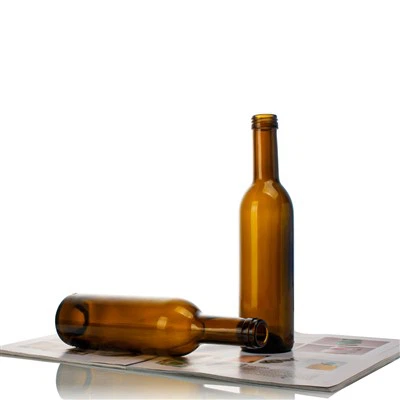
Different types of food bottles have varying sterilization requirements. For example, glass bottles are commonly used for storing olive oil, essential oils, and other food products. Our Multi - Size Brown Olive Oil Glass Bottle is a popular choice among customers due to its ability to protect the oil from light and oxidation. Glass is a relatively inert material, but it can still harbor bacteria and other contaminants. Therefore, sterilization is essential, especially when the bottle is reused.
The Essential Oil Dropper Bottle is another type of bottle that requires careful sterilization. Essential oils are often used in aromatherapy and natural medicine, and any contamination can affect their purity and effectiveness. Sterilizing these bottles ensures that the essential oils remain uncontaminated and retain their therapeutic properties.
Olive Oil Glass Bottle is also a key product in our inventory. Olive oil is a valuable and perishable food product, and proper sterilization of the bottle is necessary to prevent the growth of microorganisms that can cause rancidity.
Sterilization Methods
There are several methods available for sterilizing food bottles, each with its own advantages and disadvantages.
Heat Sterilization
Heat sterilization is one of the most common methods. It can be achieved through boiling, steam sterilization, or dry heat sterilization.
- Boiling: Boiling is a simple and cost - effective method. Bottles are placed in a pot of boiling water for a certain period, usually 10 - 15 minutes. This method can effectively kill most bacteria and viruses. However, it may not be suitable for all types of bottles, especially those with delicate components or that are prone to breakage under high heat.
- Steam Sterilization: Steam sterilization uses high - pressure steam to kill microorganisms. It is a more efficient method than boiling as it can penetrate deeper into the bottle and reach areas that may be difficult to access. Autoclaves are commonly used for steam sterilization in industrial settings.
- Dry Heat Sterilization: Dry heat sterilization involves heating the bottles in an oven at a high temperature, typically around 160 - 180°C for 1 - 2 hours. This method is suitable for glass bottles but requires careful control of the temperature and time to avoid damaging the bottles.
Chemical Sterilization
Chemical sterilization uses chemicals such as hydrogen peroxide, peracetic acid, or chlorine - based disinfectants to kill microorganisms. These chemicals are effective in destroying a wide range of bacteria, viruses, and fungi. However, it is important to ensure that the chemicals are thoroughly rinsed off the bottles after sterilization to prevent any chemical residues from contaminating the food.
Radiation Sterilization
Radiation sterilization uses ionizing radiation, such as gamma rays or electron beams, to kill microorganisms. This method is highly effective and can be used for large - scale production. However, it requires specialized equipment and strict safety measures due to the potential hazards associated with radiation.
Considerations for Food Bottle Suppliers
As a food bottle supplier, we have a responsibility to provide our customers with bottles that are suitable for sterilization. We need to ensure that the materials used in the production of the bottles can withstand the sterilization process without being damaged. For example, the glass used in our olive oil and essential oil bottles is of high quality and can tolerate the high temperatures associated with heat sterilization.
We also need to provide clear instructions to our customers on how to properly sterilize the bottles. This includes information on the recommended sterilization method, the appropriate temperature and time, and any special precautions that need to be taken.
In addition, we should continuously research and develop new bottle designs and materials that are more resistant to contamination and easier to sterilize. This can help our customers improve their food safety standards and reduce the risk of product recalls.
Conclusion
In conclusion, sterilizing food bottles is a necessary step in the food industry to ensure the safety, quality, and shelf life of food products. Different types of food bottles have different sterilization requirements, and there are several methods available for achieving effective sterilization.
As a food bottle supplier, we are committed to providing high - quality bottles that meet the sterilization needs of our customers. We understand the importance of food safety and are dedicated to helping our customers maintain the highest standards in their food production processes.
If you are in the food industry and are looking for reliable food bottles, we would be more than happy to discuss your requirements. Whether you need Multi - Size Brown Olive Oil Glass Bottle, Essential Oil Dropper Bottle, or Olive Oil Glass Bottle, we have the products and expertise to meet your needs. Contact us to start a procurement negotiation and take your food packaging to the next level.
References
- "Food Packaging Technology" by Owen R. Fennema.
- "Principles of Food Preservation" by Marcus Karel, Owen R. Fennema, and Daryl B. Lund.
- "Food Microbiology: Fundamentals and Frontiers" by Michael P. Doyle and Ronald K. Beuchat.