Can food bottles be used for storing oil? This is a question that often comes up among consumers and businesses alike. As a food bottle supplier, I've encountered this query numerous times, and I'm here to provide a comprehensive answer based on scientific knowledge and industry experience.
Understanding the Basics of Food Bottles and Oil
Food bottles are designed to store a variety of food products, including liquids, solids, and semi - solids. They come in different materials such as glass, plastic, and metal, each with its own set of properties. Oil, on the other hand, is a lipid substance that can be derived from plants, animals, or synthetic sources. Common types of oil used in food and other applications include olive oil, vegetable oil, and essential oils.
Compatibility of Materials
Glass Bottles
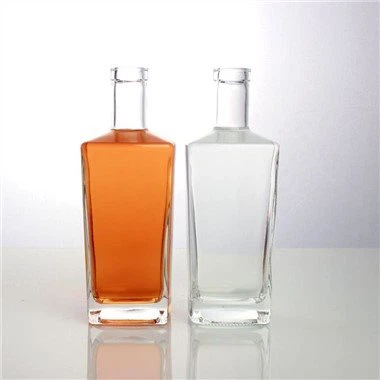
Glass is one of the most popular materials for food bottles. It is inert, which means it doesn't react chemically with most substances, including oil. Glass bottles can effectively preserve the quality of oil by preventing oxidation and contamination. They also provide a good barrier against light, which can cause oil to degrade over time.
For example, our Olive Oil Glass Bottle is specifically designed to store olive oil. The glass material ensures that the oil retains its flavor, aroma, and nutritional value. The bottle's air - tight seal further protects the oil from exposure to air, which can lead to rancidity.
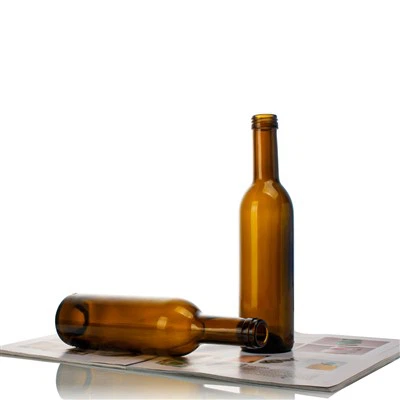
Another great option is our Multi - Size Brown Olive Oil Glass Bottle. The brown glass provides additional protection against UV light, which is known to accelerate the oxidation process in oil. This type of bottle is ideal for long - term storage of olive oil and other light - sensitive oils.
Plastic Bottles
Plastic bottles are lightweight, shatter - resistant, and cost - effective. However, not all plastics are suitable for storing oil. Some plastics may contain chemicals that can leach into the oil over time, especially when exposed to heat or sunlight.
For example, polycarbonate plastics, which were once commonly used in food containers, have been found to release bisphenol A (BPA), a chemical that can disrupt the endocrine system. When it comes to storing oil, it's important to choose plastics that are specifically labeled as food - grade and oil - resistant.
Some high - density polyethylene (HDPE) and polypropylene (PP) plastics are considered safe for storing oil. These plastics have good chemical resistance and can prevent the transfer of unwanted substances into the oil. However, plastic bottles may not provide the same level of protection against light as glass bottles, so they are better suited for short - term storage.
Metal Bottles
Metal bottles, such as those made of stainless steel, are durable and can provide good protection against physical damage. However, metal can react with certain types of oil, especially those that are acidic. For example, olive oil has a slightly acidic pH, and over time, it can cause corrosion on the inner surface of a metal bottle.
If you choose to use a metal bottle for storing oil, make sure it has a food - grade lining to prevent direct contact between the oil and the metal. This lining acts as a barrier and protects the oil from any potential chemical reactions.
Factors Affecting Oil Storage
Light
As mentioned earlier, light can have a significant impact on the quality of oil. Exposure to UV light can break down the chemical structure of oil, leading to the formation of free radicals and off - flavors. This process is known as photo - oxidation.
To minimize the effects of light, it's best to store oil in opaque bottles or in a dark place. Glass bottles, especially those made of brown or amber glass, are excellent at blocking out light and protecting the oil.
Oxygen
Oxygen is another enemy of oil. When oil is exposed to air, it can react with oxygen molecules, causing oxidation and rancidity. This process is accelerated by heat and light.
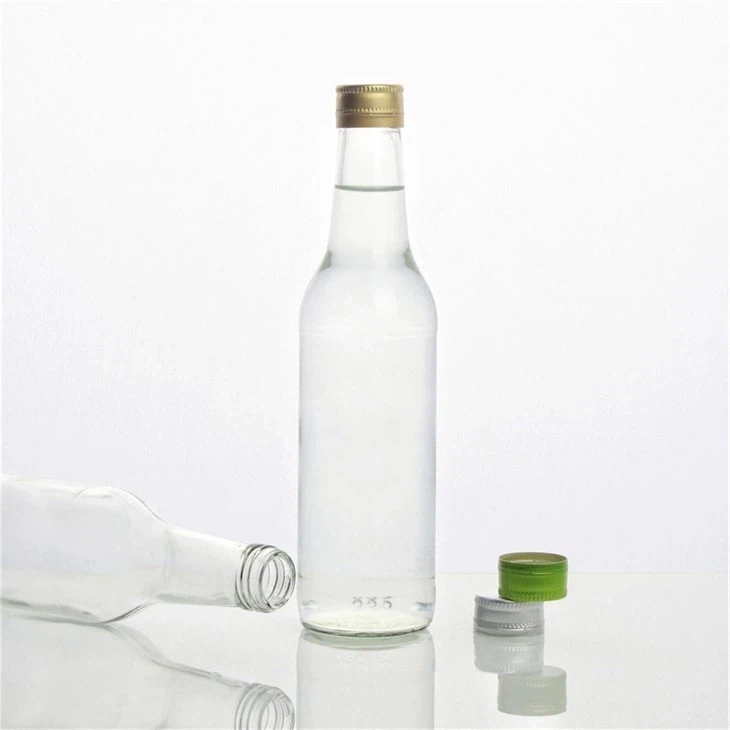
To prevent oxidation, it's important to use bottles with air - tight seals. Our food bottles are designed with high - quality caps and closures that can effectively prevent air from entering the bottle. Additionally, it's a good idea to keep the bottle filled as much as possible to reduce the amount of air space inside.
Temperature
Temperature also plays a crucial role in oil storage. High temperatures can speed up the oxidation process, while low temperatures can cause some oils to solidify.
Most oils should be stored at a cool, consistent temperature. For example, olive oil is best stored at a temperature between 57°F and 68°F (14°C and 20°C). If the temperature is too high, the oil may start to break down and lose its flavor and nutritional value.
Using Food Bottles for Essential Oils
Essential oils are highly concentrated plant extracts that are used in a variety of applications, including aromatherapy, skincare, and cleaning. When it comes to storing essential oils, it's important to use bottles that can preserve their potency and purity.
Our Essential Oil Dropper Bottle is specifically designed for storing essential oils. The dropper allows for precise dispensing of the oil, while the glass material provides excellent protection against light and air. Essential oils are often sensitive to light and oxygen, and the brown glass of our dropper bottles helps to prevent degradation.


Conclusion
In conclusion, food bottles can be used for storing oil, but it's important to choose the right type of bottle based on the type of oil and the intended storage duration. Glass bottles are generally the best choice for long - term storage, as they provide excellent protection against light, oxygen, and chemical reactions. Plastic bottles can be a suitable option for short - term storage, as long as they are made of food - grade and oil - resistant materials. Metal bottles can be used with a proper lining to prevent chemical reactions.
If you're in the market for high - quality food bottles for storing oil, we are here to help. Our range of products, including Essential Oil Dropper Bottle, Olive Oil Glass Bottle, and Multi - Size Brown Olive Oil Glass Bottle, are designed to meet the highest standards of quality and safety. Contact us to discuss your specific requirements and start a procurement negotiation. We look forward to working with you to find the perfect solution for your oil storage needs.
References
- "The Chemistry of Food and Cooking" by Peter Barham
- "Food Packaging: Principles and Practice" by Yam K.L., Takhistov P.T., and Miltz J.
- "Olive Oil: Chemistry and Technology" by Frank D. Gunstone and Fereidoon Shahidi