Hey there! I'm a supplier of beverage bottles, and today I want to chat about something that's been on my mind a lot lately: tax implications for manufacturing beverage bottles. It's a topic that might not sound super exciting at first, but trust me, it's pretty important for us in the industry.
Let's start with the basics. When you're manufacturing beverage bottles, there are a few different types of taxes that you might have to deal with. One of the most common is sales tax. This is a tax that's added to the price of goods when they're sold. As a beverage bottle supplier, you'll need to collect sales tax from your customers in most cases. The rate of sales tax can vary depending on where you're located and where your customers are located. For example, some states or countries have higher sales tax rates than others. So, it's crucial to keep an eye on these rates and make sure you're charging the right amount.
Another type of tax that can impact us is excise tax. Excise taxes are usually levied on specific goods, and in the case of beverage bottles, it might be related to the materials used or the size of the bottles. For instance, if your bottles are made from certain types of plastic that are considered to have a negative environmental impact, there could be an excise tax. This is a way for the government to encourage more sustainable manufacturing practices.
Now, let's talk about how these taxes can affect our business. First of all, they can increase our costs. When we have to pay more in taxes, it means our profit margins can get squeezed. We might have to either raise the prices of our bottles, which could make us less competitive in the market, or find ways to cut costs in other areas. This could involve looking for cheaper raw materials or streamlining our production processes.
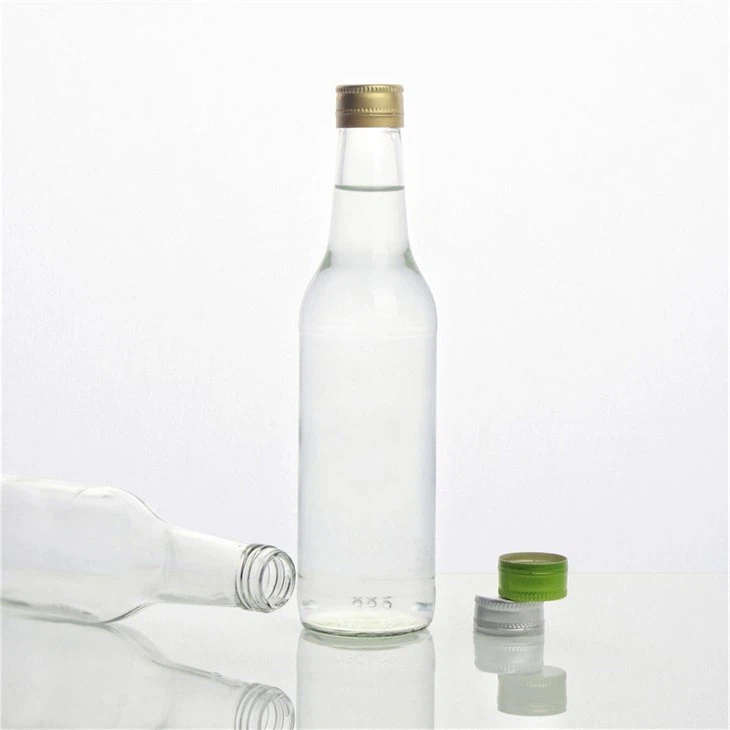

But it's not all bad news. Sometimes, there are tax incentives for manufacturers. Governments might offer tax breaks or credits for using sustainable materials or implementing energy - efficient manufacturing methods. For example, if we start using recycled glass to make our Glass Milk Bottle With Lid, we could potentially qualify for a tax credit. This can help offset some of the other tax costs and also give us a marketing edge, as more and more consumers are looking for eco - friendly products.
When it comes to international sales, things get even more complicated. There are import and export taxes to consider. If we're selling our Small Milk Bottle to customers in another country, we need to understand the local tax laws there. Some countries might have high import duties, which can make our products more expensive for foreign customers. On the other hand, we might be able to take advantage of free trade agreements that reduce or eliminate these taxes.
We also need to think about record - keeping. To ensure that we're compliant with all the tax regulations, we have to keep detailed records of our sales, purchases, and manufacturing processes. This includes things like invoices, receipts, and production logs. Without proper records, it can be really difficult to prove that we've paid the right amount of taxes. And if we get audited by the tax authorities, not having accurate records can lead to some serious problems.
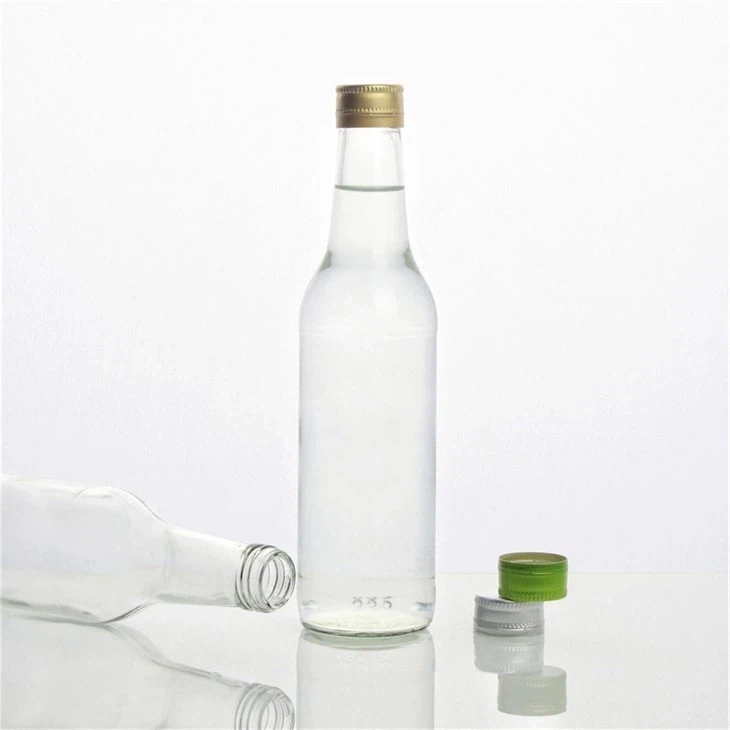
Now, let's take a look at some specific scenarios. Say we're manufacturing Sparkling Water Glass Bottle. The glass itself might be subject to a tax based on its weight or the type of glass. If we're using a special type of glass that's more expensive to produce, the tax could be higher. And if we're adding any labels or decorations to the bottles, there could be additional taxes on those materials as well.
In addition to the direct taxes, there are also indirect tax implications. For example, if the cost of our bottles goes up because of taxes, it can affect the beverage companies that buy from us. They might have to raise the prices of their drinks, which could lead to a decrease in demand. This, in turn, can have a negative impact on our sales volume.
So, what can we do as beverage bottle suppliers to manage these tax implications? First, we need to stay informed. Keep up with the latest tax laws and regulations in our own country and in the countries where we do business. There are often industry associations and trade groups that can provide us with updates and resources.
Second, we should work with a good accountant or tax advisor. They can help us navigate the complex world of taxes, identify any potential tax savings opportunities, and make sure we're filing our tax returns correctly.
Finally, we can look for ways to innovate. By developing new manufacturing techniques or using alternative materials, we might be able to reduce our tax burden. For example, if we can find a way to make our bottles lighter without sacrificing quality, we could potentially pay less in taxes related to the weight of the materials.
If you're in the beverage industry and are looking for high - quality beverage bottles, I'd love to talk to you. Whether you need small milk bottles, glass milk bottles with lids, or sparkling water glass bottles, we've got you covered. We're committed to providing the best products at competitive prices, and we'll work with you to understand your specific needs. If you're interested in starting a partnership or just want to learn more about our products, don't hesitate to reach out. We're here to help you grow your business and deal with any challenges, including those pesky tax implications.
References
- Tax regulations from relevant government agencies
- Industry reports on beverage bottle manufacturing and taxation