Silicone bottle stoppers have gained popularity in recent years due to their versatility, durability, and ease of use. As a leading supplier of bottle stoppers, we often receive inquiries about the heat resistance of silicone bottle stoppers. In this blog post, we will explore the science behind silicone's heat resistance, its limitations, and how it compares to other types of bottle stoppers.
The Science of Silicone's Heat Resistance
Silicone is a synthetic rubber made from silicon, oxygen, carbon, and hydrogen. Its molecular structure gives it unique properties, including excellent heat resistance. The silicon - oxygen bonds in silicone are very strong, allowing the material to withstand high temperatures without significant degradation.
Most silicone rubber compounds can withstand continuous use at temperatures ranging from -60°C (-76°F) to 230°C (446°F). Some high - performance silicone compounds can even tolerate short - term exposure to temperatures of up to 315°C (600°F). This makes silicone an ideal material for various applications where heat is a factor, such as in the food and beverage industry, automotive, and electronics.
Heat Resistance in Bottle Stopper Applications
When it comes to bottle stoppers, the heat resistance of silicone is crucial in several scenarios. First, in the wine industry, wine is often stored and transported in a variety of environments. If the wine is exposed to high temperatures during shipping or storage, a heat - resistant bottle stopper can prevent leakage and maintain the quality of the wine. Silicone stoppers can withstand the moderate temperature fluctuations that may occur during these processes.
In the kitchen, silicone bottle stoppers are used to seal bottles of various liquids, such as oils and vinegars. When cooking, it is common for the surrounding environment to get warm. A heat - resistant silicone stopper ensures that the contents of the bottle remain secure, even if the bottle is placed near a hot stove or in a warm pantry.

Limitations of Silicone's Heat Resistance
Although silicone has excellent heat resistance, it does have its limitations. Prolonged exposure to extremely high temperatures can cause silicone to break down. Over time, the material may become brittle, start to crack, or lose its elasticity.
For example, if a silicone bottle stopper is left in direct contact with an open flame or in an oven set at a very high temperature, it will quickly fail. The heat can cause the silicone to melt, emit harmful fumes, and even catch fire in extreme cases. Also, when silicone is exposed to temperatures at the upper end of its tolerance range for an extended period, its physical properties will gradually change, reducing its effectiveness as a bottle stopper.
Comparison with Other Types of Bottle Stoppers
Let's compare silicone bottle stoppers with other common types of bottle stoppers in terms of heat resistance.
Cork Stoppers: Cork is a traditional material for wine bottle stoppers. While cork is a natural and breathable material, it has limited heat resistance. Cork can dry out and shrink when exposed to high temperatures, leading to leakage and the spoilage of the contents. It is also more prone to mold growth in warm and humid conditions.
Wooden Wine Stopper: Wooden stoppers, like cork, have a relatively low heat tolerance. Wood can expand and contract with temperature changes, which may result in a poor seal. High temperatures can also cause the wood to warp and crack, losing its functionality.
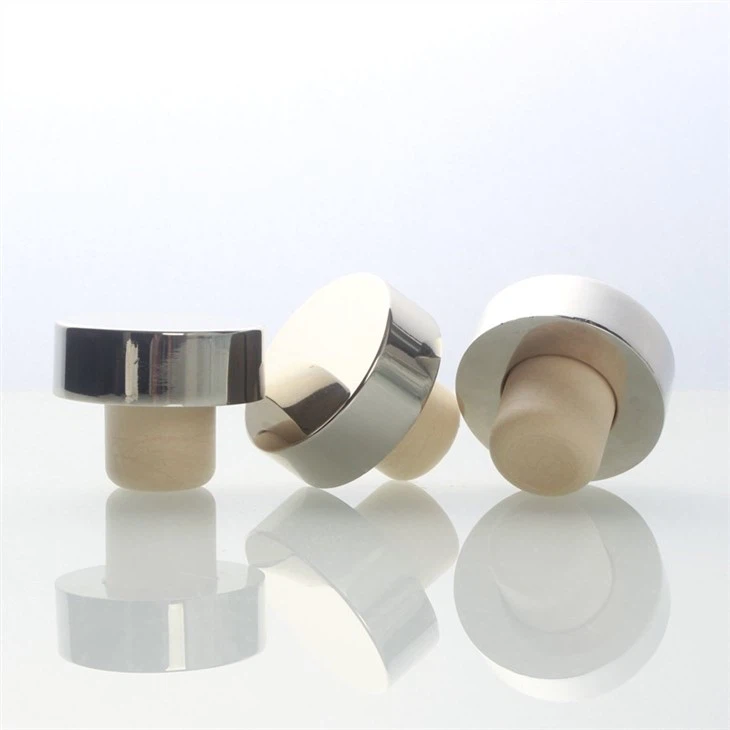
Whiskey Zamac Metal Top Bottle Stopper: Zamac is an alloy commonly used for bottle stopper tops. While metal can generally withstand higher temperatures than cork and wood, the connection between the metal top and the other parts of the stopper may be affected by heat. Additionally, metals can transfer heat, which may affect the temperature of the contents inside the bottle.
Silicone, on the other hand, offers a more stable performance across a wider temperature range. It can maintain its shape and sealing properties under various heat conditions that would typically damage other materials.
Quality Assurance and Testing
As a supplier of bottle stoppers, we take the heat resistance of our silicone products seriously. Our manufacturing process includes strict quality control measures to ensure that each silicone bottle stopper meets the highest standards of heat resistance.
We conduct regular testing on our silicone materials. Samples are exposed to different temperature levels for specific periods to simulate real - world conditions. This testing helps us verify the material's ability to withstand heat without degradation. We also use advanced manufacturing techniques to ensure uniform thickness and proper curing of the silicone, which are essential for maintaining its heat - resistant properties.
Choosing the Right Silicone Bottle Stopper
When selecting a silicone bottle stopper, there are several factors to consider in relation to heat resistance.
- Temperature Range: Determine the maximum temperature the stopper will be exposed to. If you need to seal a bottle that may be stored in a hot environment, choose a high - quality silicone stopper with a wider temperature tolerance.
- Duration of Exposure: If the exposure to heat is only short - term, a standard silicone stopper may suffice. However, for long - term exposure to high temperatures, you may need a more specialized, high - performance silicone product.
- Application: Consider the type of liquid in the bottle. For example, if you are sealing a bottle of essential oils, which can be sensitive to heat, a heat - resistant stopper is even more important to prevent evaporation and maintain the quality of the oils.
Contact for Purchase and Consultation
If you are in the market for high - quality, heat - resistant silicone bottle stoppers, we are here to help. Our team of experts can provide you with detailed information about our products, including their heat resistance capabilities. We offer a wide range of silicone bottle stoppers in different sizes, shapes, and colors to meet your specific needs.
Whether you are a winery, a restaurant, a home cook, or a business looking for reliable bottle stoppers, we have the solutions for you. To learn more about our products and discuss your requirements, please don't hesitate to reach out to us. We are committed to providing you with the best bottle stopper solutions at competitive prices.
References
- "Silicone Rubber: Properties and Applications." Handbook of Elastomers.
- ASTM International Standards on Polymer Heat Resistance.
- "The Impact of Temperature on Bottle Stoppers" - Journal of Beverage Packaging and Preservation.