Sunlight is a powerful natural force that plays a significant role in our daily lives. While we often associate sunlight with warmth, vitamin D production, and the growth of plants, its impact on inanimate objects, such as juice bottles, is a topic that is less commonly explored. As a juice bottle supplier, understanding the effects of sunlight on juice bottles is crucial for ensuring the quality and safety of the products we provide to our customers. In this blog post, we will delve into the various ways in which sunlight can affect a juice bottle and its contents.
Chemical Reactions Triggered by Sunlight
One of the primary ways in which sunlight impacts a juice bottle is through the initiation of chemical reactions. Sunlight contains ultraviolet (UV) radiation, which has enough energy to break chemical bonds in certain substances. When a juice bottle is exposed to sunlight, the UV rays can penetrate the bottle and interact with the juice inside.
For instance, many juices contain vitamins, such as vitamin C, which are sensitive to light. When exposed to UV radiation, vitamin C can undergo oxidation, a chemical reaction that involves the loss of electrons. This oxidation process can lead to the degradation of vitamin C, reducing its nutritional value. As a result, the juice may lose some of its health - promoting properties over time when stored in sunlight.
Moreover, the pigments in the juice can also be affected by sunlight. Natural pigments, like anthocyanins found in berry juices, are responsible for the vibrant colors of the juice. UV radiation can cause these pigments to break down, leading to a change in the color of the juice. The juice may appear less vibrant or even fade, which can be unappealing to consumers.
Temperature Changes
Sunlight also brings heat, and an increase in temperature can have a profound impact on a juice bottle and its contents. When a juice bottle is placed in direct sunlight, the temperature inside the bottle can rise significantly.
Higher temperatures can accelerate the growth of microorganisms in the juice. Most juices are pasteurized to kill harmful bacteria, but if the temperature rises above a certain level, any remaining bacteria or yeast can start to multiply rapidly. This can lead to spoilage of the juice, causing it to develop an off - flavor, a foul odor, and even visible mold growth.
In addition, the expansion of the juice due to heat can put pressure on the bottle. If the bottle is not designed to withstand this pressure, it may crack or even burst. This is especially true for glass bottles, which are more brittle than plastic ones. Even if the bottle does not break, the increased pressure can cause the seal to loosen, allowing air to enter the bottle. Once air gets in, it can further accelerate the oxidation process and spoilage of the juice.
Material Degradation
The material of the juice bottle itself can be affected by sunlight. Different types of materials respond differently to sunlight exposure.
Glass Bottles
Glass is generally a stable material, but prolonged exposure to sunlight can still have some effects. Over time, the UV radiation can cause a phenomenon known as "solarization" in glass. Solarization causes the glass to develop a slight purple or brown tint. While this may not affect the functionality of the bottle, it can be aesthetically unpleasing.
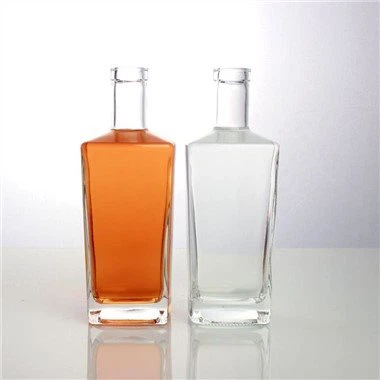
However, glass is a good barrier against oxygen and light compared to other materials. It can protect the juice from excessive oxidation and light - induced degradation to a certain extent. Our 12 OZ Juce Glass Bottle is made of high - quality glass that provides excellent protection for the juice inside, although it is still advisable to store it away from direct sunlight.
Plastic Bottles
Plastic bottles are more vulnerable to sunlight. UV radiation can break down the polymer chains in the plastic, causing it to become brittle and lose its strength. This can lead to cracks and leaks in the bottle, which can compromise the integrity of the juice inside.
Some plastics may also release harmful chemicals when exposed to sunlight and heat. For example, certain types of plastic may leach bisphenol A (BPA) or other endocrine - disrupting chemicals into the juice. These chemicals can pose health risks to consumers, especially when consumed over a long period.

Impact on Marketing and Consumer Perception
The effects of sunlight on a juice bottle can also have implications for marketing and consumer perception. Consumers expect to purchase high - quality, fresh - looking juice products. If a juice bottle has been exposed to sunlight and shows signs of color change, spoilage, or bottle damage, it is likely to turn off potential buyers.
A damaged or discolored juice bottle can give the impression that the product is of poor quality, even if the juice inside is still safe to drink. This can lead to a loss of sales for juice manufacturers and retailers. As a juice bottle supplier, it is our responsibility to provide bottles that can protect the juice from the harmful effects of sunlight, ensuring that the products reach consumers in the best possible condition.
Mitigating the Effects of Sunlight
To minimize the impact of sunlight on juice bottles, several measures can be taken.
Packaging Design
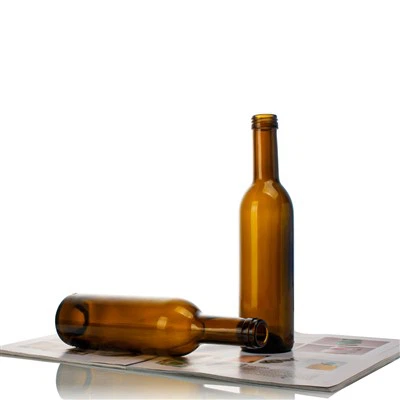
For glass bottles, using tinted glass can help block out a significant amount of UV radiation. Tinted glass can reduce the amount of light that reaches the juice, slowing down the oxidation and color - degradation processes.
For plastic bottles, using UV - resistant plastics or adding UV - blocking additives to the plastic can provide some protection. Additionally, opaque or semi - opaque labels can also help shield the juice from sunlight.
Storage and Transportation
Juice manufacturers and retailers should ensure that juice bottles are stored in a cool, dark place. During transportation, trucks and containers should be properly insulated to prevent sunlight exposure and excessive temperature changes.
Consumers should also be educated about the importance of storing juice bottles away from sunlight. Providing clear instructions on the product label can help consumers make informed decisions about storage.
Conclusion
In conclusion, sunlight can have a wide range of impacts on a juice bottle and its contents, including chemical reactions, temperature changes, material degradation, and negative effects on marketing and consumer perception. As a juice bottle supplier, we are committed to providing high - quality bottles that can protect the juice from these harmful effects. Our 12 OZ Juce Glass Bottle is designed with the latest technology to offer optimal protection for your juice products.
If you are a juice manufacturer or retailer looking for reliable juice bottle solutions, we invite you to contact us for a detailed discussion. We can work together to find the best packaging options that meet your specific needs and ensure the quality and safety of your juice products.
References
- "Food Packaging: Principles and Practice" by Donald S. Clark
- "The Science of Juice: Chemistry, Nutrition, and Health Benefits" by various authors
- Research papers on the effects of sunlight on food and beverage packaging materials from scientific journals such as the Journal of Food Science and Technology.