
Hey there, fellow champagne enthusiasts! As a supplier of all things Champagne Bottle, I've dealt with all sorts of bubbly and know the ins and outs of what each style brings to the table. One question I get asked a lot is, "What's the difference between brut and extra-dry champagne in a bottle?" Well, grab a glass of your favorite fizz and let's dive right in!
Understanding the Basics of Champagne Sweetness Levels
Before we get into the nitty-gritty of brut and extra-dry champagnes, it's important to understand how champagne sweetness is classified. Champagne comes in various sweetness levels, and these are determined by the amount of residual sugar added after the second fermentation in the bottle. This additional sugar is called "dosage," and it plays a huge role in defining the final taste of the champagne.
The official classifications of champagne sweetness, from driest to sweetest, are:
- Brut Nature/Extra Brut: Contains less than 6 grams of residual sugar per liter. This is the driest style of champagne, with a crisp and often austere flavor profile.
- Brut: Has up to 12 grams of residual sugar per liter. It's the most popular style of champagne, known for its balanced flavor that combines dryness with a hint of sweetness.
- Extra Dry: Holds between 12 and 17 grams of residual sugar per liter. Despite the name, it's actually sweeter than brut champagne.
- Sec: Contains 17 to 32 grams of residual sugar per liter, offering a noticeably sweeter taste.
- Demi-Sec: Has 32 to 50 grams of residual sugar per liter, making it quite sweet.
- Doux: Contains more than 50 grams of residual sugar per liter, the sweetest of all champagne styles.
Brut Champagne: A Classic Dry Delight
Brut champagne is like the go-to choice for most champagne lovers. It's what you'll typically find on the menu at fancy restaurants or served at celebrations. The relatively low sugar content in brut champagne allows the natural flavors of the grapes and the complex yeast notes from the fermentation process to shine through.
When you pop open a Champagne Glass Bottle of brut champagne, you can expect a lively and refreshing experience. The bubbles are fine and persistent, tickling your palate with each sip. The flavor profile often includes citrus notes like lemon and lime, along with green apple, pear, and sometimes a hint of brioche or toast from the aging process.
Brut champagne is incredibly versatile. It pairs well with a wide range of foods, from light appetizers like oysters and shrimp cocktail to more substantial dishes like chicken and fish. Its dryness cuts through the richness of fatty foods, cleansing your palate and allowing you to fully enjoy each bite.
Extra-Dry Champagne: A Sweet Surprise
Now, let's talk about extra-dry champagne. As I mentioned earlier, the name can be a bit misleading because extra-dry champagne is actually sweeter than brut champagne. The additional sugar in extra-dry champagne gives it a softer, more rounded flavor profile.
When you pour a glass of extra-dry champagne, you'll notice a slightly creamier texture compared to brut. The bubbles are still lively, but they might seem a bit less intense. The flavor is dominated by the sweetness, which can come across as honey, caramel, or ripe fruit like peach and apricot.
Extra-dry champagne is a great choice if you have a bit of a sweet tooth or if you're serving it to people who aren't as accustomed to dry wines. It also pairs well with desserts, especially those with a citrus or fruit component. Or, you can enjoy it on its own as a treat after a meal.
Differences in Appearance and Aroma
Apart from the taste, there are also some differences in appearance and aroma between brut and extra-dry champagne. In terms of appearance, both types of champagne are typically clear and sparkling, but extra-dry champagne might have a slightly more golden hue due to the higher sugar content.
When it comes to aroma, brut champagne often has more of a fresh, floral, and mineral scent. You might detect notes of white flowers, chalk, or wet stones. On the other hand, extra-dry champagne has a more inviting, sweet aroma, with hints of tropical fruits and baked goods.
Choosing the Right Champagne for the Occasion
So, how do you decide whether to choose brut or extra-dry champagne? Well, it really depends on the occasion and your personal preferences. If you're hosting a formal dinner party or a business event, brut champagne is a safe bet. Its classic dryness and versatility make it suitable for a wide range of guests and food pairings.
However, if you're having a more casual gathering with friends or a family celebration, extra-dry champagne can be a fun and crowd-pleasing option. Its sweetness makes it more approachable for those who aren't big wine drinkers, and it can add a touch of indulgence to the occasion.
Our Champagne Bottle Offerings
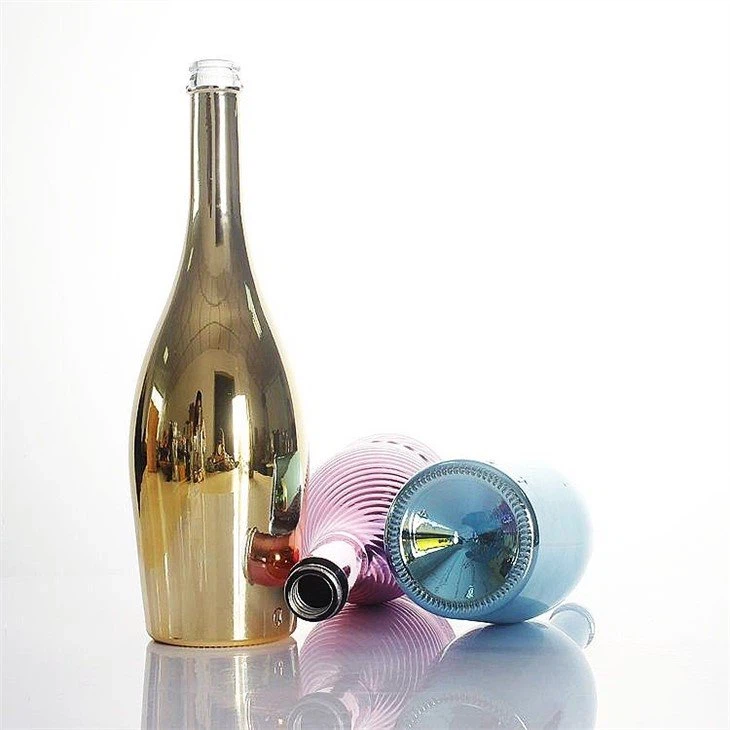
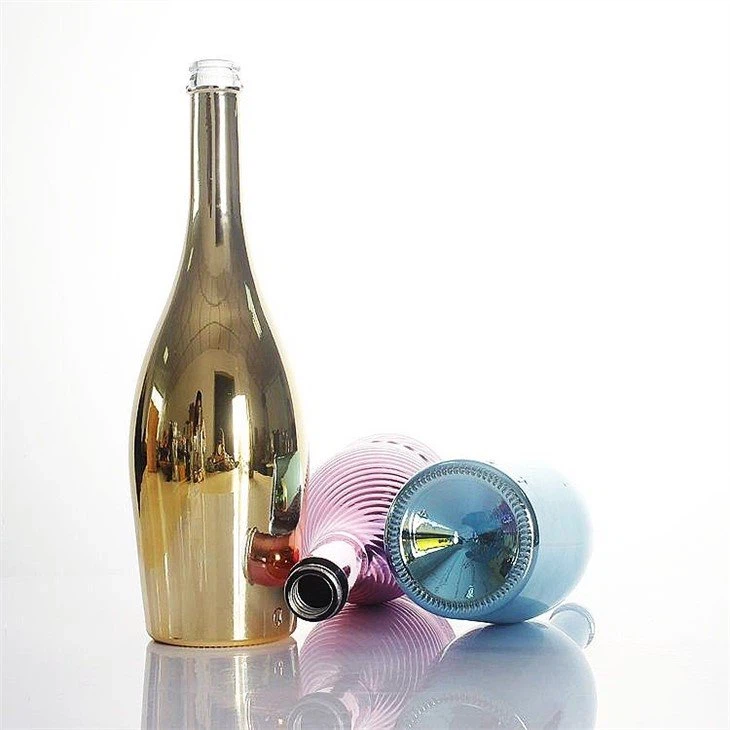
As a Champagne Bottle supplier, we offer a wide variety of bottles to suit your needs. Whether you're looking for a traditional Champagne Glass Bottle to showcase your favorite brut or extra-dry champagne, a Personalised Champagne Bottle for a special occasion, or a luxurious Gold Champagne Bottle to make a statement, we've got you covered.
Our bottles are made from high-quality materials to ensure that they not only look great but also preserve the quality of the champagne inside. We work with top manufacturers to bring you the best selection of bottles at competitive prices.
Let's Connect and Discuss Your Needs
If you're in the market for champagne bottles or have any questions about brut and extra-dry champagne, I'd love to hear from you. Whether you're a restaurant owner, a party planner, or just someone who loves champagne, we can help you find the perfect bottles for your needs.
Don't hesitate to reach out and start a conversation about your champagne bottle requirements. We're here to provide you with the best products and service possible.
References
- Jackson, H. (2018). The World of Champagne. Wine Press.
- Robinson, J. (2020). Champagne: The Definitive Guide. Wine Library Editions.