Hey there, whiskey enthusiasts and industry folks! As a long - time whiskey bottle supplier, I've seen it all when it comes to different sizes of whiskey bottles. Today, I'm gonna break down the key differences between small and large whiskey bottles.
Size and Capacity
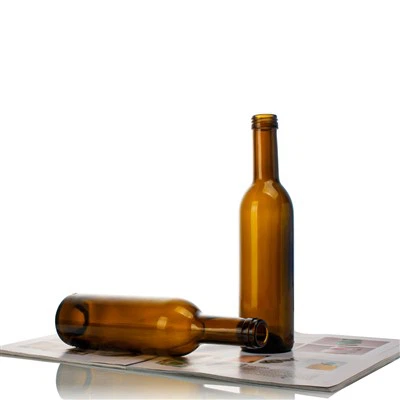
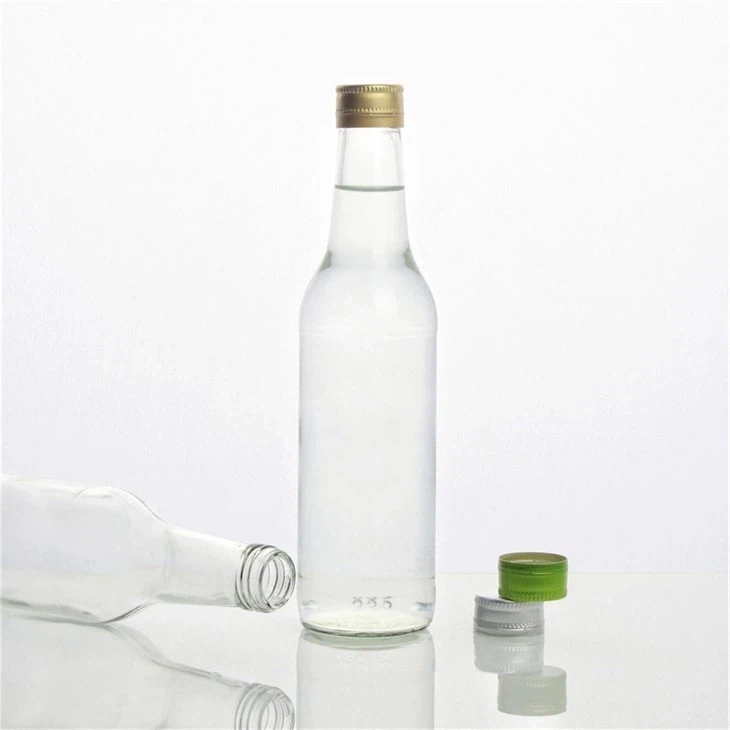
The most obvious difference is the size and capacity. Small whiskey bottles usually range from 50ml to 200ml, while large ones can go up to 1 liter or even more. The standard large - sized bottle you'll commonly see on the market is the 750ml.
Let's talk about small bottles first. These little guys are perfect for sampling. For consumers, they're a great way to try out different brands and flavors without committing to a full - sized bottle. You can pick up a few different 50ml bottles at a liquor store and have a mini - tasting session at home. They're also super convenient for traveling. You can toss a couple in your suitcase and enjoy a bit of your favorite whiskey wherever you are.
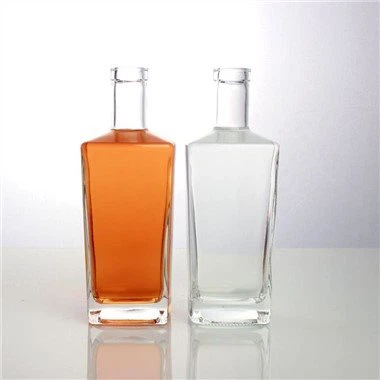
On the other hand, large bottles are the go - to for regular drinkers or those who really love a particular brand. A 750ml bottle, like the 750ml Premium Whiskey Glass Bottle, can last for a while if you're sipping it slowly. It's also a more cost - effective option in the long run. When you buy in bulk, the price per milliliter is generally lower.


Packaging and Design
Small and large whiskey bottles also differ in terms of packaging and design. Small bottles often have simpler packaging. They might just come in a basic cardboard box or even without a box at all. The labels are usually smaller, but they still manage to convey the essential information like the brand name, whiskey type, and alcohol percentage.
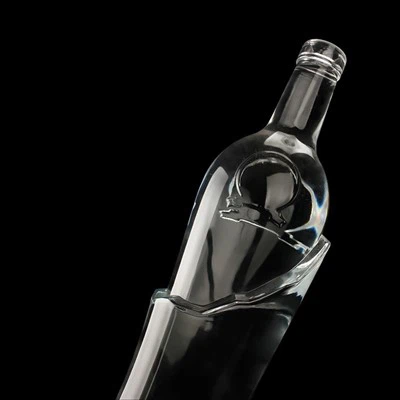
Large bottles, especially the premium ones, get the full treatment. They often come in elaborate boxes with high - quality printing. The labels on large bottles can be more detailed, showing off the history of the brand, the distillation process, and sometimes even tasting notes. For example, the 750ml Printing Whiskey Glass Bottle can have intricate designs printed directly on the glass, adding to its aesthetic appeal.
Marketing and Target Audience
The marketing strategies for small and large whiskey bottles are quite different. Small bottles are often targeted at new or occasional drinkers. They're a great way to introduce someone to the world of whiskey. Distilleries might offer small bottles as part of a sampler pack or as a promotional item.
Large bottles, however, are aimed at loyal customers and connoisseurs. These folks are willing to pay a premium for a high - quality, full - sized bottle. Distilleries might release limited - edition large bottles to attract collectors. They'll often use fancy packaging and marketing campaigns to make these bottles stand out.
Cost and Pricing
As I mentioned earlier, the cost per milliliter is generally lower for large bottles. But there's more to it than just that. Small bottles can be a bit more expensive on a per - unit basis because of the additional costs associated with packaging and marketing.
When it comes to pricing, large bottles can also vary widely depending on the brand, age, and quality of the whiskey. A well - aged single - malt scotch in a 750ml bottle can cost hundreds of dollars, while a more budget - friendly option might be available for a fraction of that price. Small bottles are usually more affordable upfront, making them accessible to a wider range of consumers.
Storage and Shelf Life
Storage is another area where small and large bottles differ. Small bottles are easier to store. You can keep them in a small cabinet or even on a bookshelf. They don't take up much space, which is great if you have limited storage at home.
Large bottles, especially if you have multiple ones, need more space. You might need a dedicated whiskey cabinet or a cellar to store them properly. In terms of shelf life, once a bottle is opened, the whiskey in a small bottle will oxidize faster because there's more air in the bottle relative to the amount of whiskey. A large bottle, with a smaller air - to - whiskey ratio, will generally last longer after opening.
Production and Supply Chain
From a production and supply chain perspective, small and large bottles have different requirements. Producing small bottles can be more labor - intensive because of the detailed packaging and labeling. The supply chain for small bottles also needs to be more flexible to accommodate different marketing campaigns and promotions.
Large bottles, on the other hand, are often produced in larger quantities. The production process can be more streamlined, which can lead to cost savings. The supply chain for large bottles is usually more focused on getting the product to major retailers and distributors.
Consumer Preferences
Consumer preferences play a big role in the demand for small and large whiskey bottles. Some people prefer the convenience and variety of small bottles. They like being able to try different whiskeys without having to commit to a large purchase. Others, especially those who are more into the ritual of sipping whiskey, prefer the larger bottles. They enjoy having a nice, full - sized bottle on display in their home bar.
The Role of the Supplier
As a whiskey bottle supplier, I need to understand all these differences to meet the needs of my customers. Whether it's a distillery looking for small bottles for a new product launch or a large - scale producer in need of 750ml bottles like the 750ml Whiskey Glass Bottle, I have to make sure I can provide the right type of bottle at the right time.
I work closely with my clients to understand their specific requirements. For distilleries launching a new line of small - batch whiskeys, I might recommend smaller bottles with unique packaging to create a sense of exclusivity. For established brands, I focus on providing high - quality large bottles that meet their branding and marketing needs.
Conclusion
In conclusion, small and large whiskey bottles each have their own unique characteristics. They serve different purposes, target different audiences, and have different production and marketing requirements. Whether you're a consumer looking for a quick sample or a distillery owner planning your next product launch, understanding these differences is crucial.
If you're in the market for whiskey bottles, I'd love to have a chat with you. I can offer a wide range of options to suit your needs. Just reach out, and we can start discussing the perfect whiskey bottles for your business.
References
- "The World of Whiskey" by various industry experts
- Industry reports on whiskey packaging and consumer trends