When it comes to the world of wine, the choice of bottle can significantly impact the wine - drinking experience. As a wine bottle supplier, I've witnessed firsthand the diverse needs of winemakers and consumers. One of the most common questions I encounter is the difference between single - serving and regular wine bottles. In this blog post, I'll delve into the details of these two types of wine bottles, exploring their characteristics, advantages, and ideal use cases.
Size and Volume
The most obvious difference between single - serving and regular wine bottles lies in their size and volume. A regular wine bottle typically holds 750 milliliters of wine. This standard size has been widely adopted across the wine industry for centuries. It's convenient for sharing among a group of people, often serving about four to six glasses, depending on the pour size. The 750 - ml bottle is also the standard for wine production, storage, and transportation. For instance, wineries produce large quantities of wine in barrels and then bottle them into 750 - ml containers for distribution. It's a well - recognized size in the market, making it easy for consumers to identify and purchase.
On the other hand, single - serving wine bottles come in much smaller volumes. The most common size for a single - serving bottle is 187.5 milliliters, which is equivalent to one - fourth of a regular 750 - ml bottle. This size is perfect for individuals who want to enjoy a glass of wine without committing to an entire bottle. It's also suitable for those who are trying different varieties of wine and want to sample them without having excess wine left over.
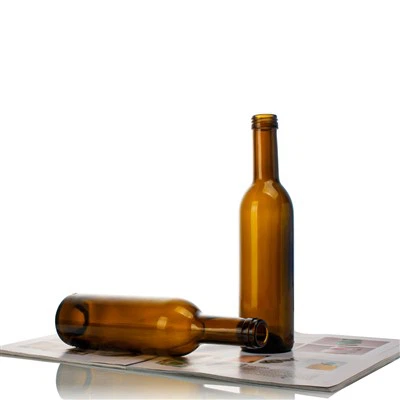
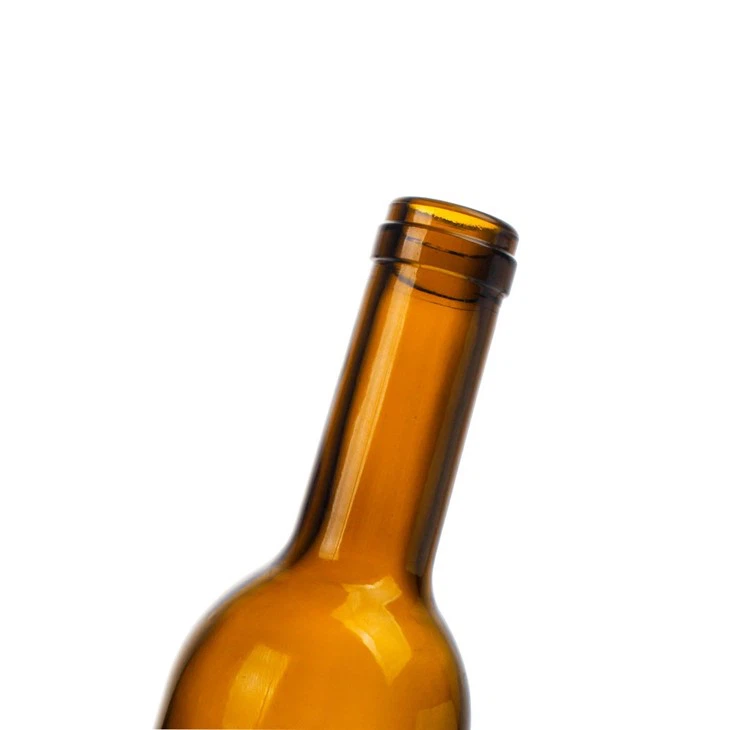
There are also other intermediate sizes available in the single - serving category. For example, we offer Brown 375ml Glass Bottle For Wine, which is half the size of a regular bottle. This size can be considered a "mini - sharing" option, allowing two people to enjoy a glass of wine together.

Packaging and Cost
The packaging of single - serving and regular wine bottles also differs. Regular wine bottles usually come in a standard glass bottle with a cork or screw cap. The label design is often more elaborate, as wineries invest in branding and marketing for their products. These bottles are typically sold in cases of 12, which is a common unit for wholesale and retail purchases. The cost per milliliter of wine in a regular bottle is generally lower compared to single - serving bottles. This is because the production and packaging costs are spread over a larger volume of wine.
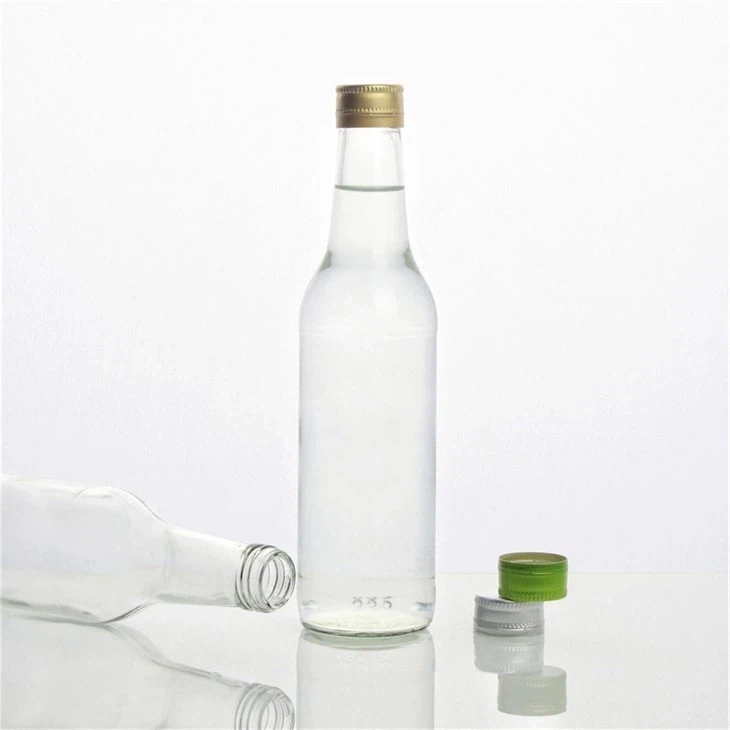
Single - serving wine bottles, however, are designed for individual consumption. They often come with a more convenient closure, such as a screw cap or a twist - off top, which makes them easier to open. The label design may be simpler, focusing on the essential information about the wine. These bottles are sometimes sold individually or in packs of 4, 6, or 8. The cost per milliliter of a single - serving bottle is usually higher due to the relatively higher packaging and production costs associated with smaller volumes.
Oxidation and Freshness
Oxidation is a crucial factor in wine aging and preservation. When a wine bottle is opened, the wine is exposed to oxygen, which can cause it to age more rapidly. A regular 750 - ml bottle, once opened, generally allows the wine to oxidize faster, especially if not consumed within a few days. Wine enthusiasts often use wine stoppers or vacuum pumps to slow down the oxidation process, but it's still a challenge to maintain the wine's freshness for an extended period.
Single - serving wine bottles, on the other hand, have a much smaller volume of wine in contact with oxygen. Once opened, they are typically consumed in one sitting, which means there's less risk of oxidation. This makes single - serving bottles a great option for those who want to enjoy a fresh glass of wine every time, without having to worry about the wine going bad.
Market Demand and Ideal Use Cases
The market demand for single - serving and regular wine bottles varies depending on the consumer segment and the occasion. Regular wine bottles are popular for social gatherings, dinners, and special occasions. They are a staple on restaurant wine lists and are often used for gift - giving. Wineries also prefer to invest in the production and marketing of regular - size bottles, as they represent a significant portion of their sales.
Single - serving wine bottles, however, have seen a growing demand in recent years. They are ideal for on - the - go consumption, such as picnics, flights, and outdoor events. They are also popular among younger consumers and those who prefer to enjoy a single glass of wine at home without the commitment of a full bottle. Additionally, the single - serving format is great for wine tastings, allowing consumers to sample different wines without purchasing an entire bottle.
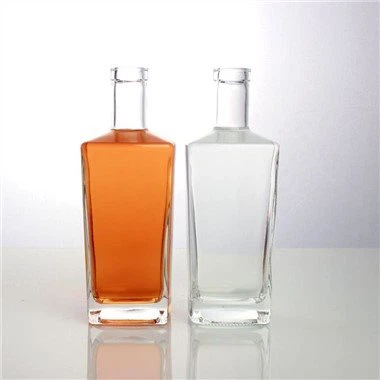
As a wine bottle supplier, we recognize the importance of offering a diverse range of products to meet the needs of different customers. We offer a variety of regular wine bottles, including 750ml Highborosilicate Spirits Bottles and Amber Glass 750ml Wine Bottles. Our single - serving options, such as the Brown 375ml Glass Bottle For Wine, are also popular among winemakers who want to offer their products in a more convenient format.
If you're a winemaker looking to expand your product line or a distributor interested in diversifying your inventory, we'd love to talk to you. Our team of experts can provide you with detailed information about our products, pricing, and customization options. Whether you need a large quantity of regular wine bottles or a small batch of single - serving bottles, we have the capabilities to meet your requirements. Contact us today to start a discussion about your wine bottle needs and explore how we can work together to achieve your business goals.
References
- Robinson, J. (2006). The Oxford Companion to Wine. Oxford University Press.
- Jackson, H. (2008). Wine An Introduction. University of California Press.