

As a seasoned gin bottle supplier, I've delved deep into the intricacies of the production process to understand what truly goes into the cost of producing a single gin bottle. In this blog, I'll break down the various factors that contribute to the overall cost, providing you with a comprehensive overview of the economics behind gin bottle manufacturing.
Raw Materials
The first and most obvious cost factor is the raw materials used to make the gin bottle. Glass is the most common material for gin bottles, and its quality and type can significantly impact the cost. Flint glass, for example, is a popular choice for gin bottles due to its clarity and ability to showcase the product inside. The 70cl Extra Flint Gin Bottle is a prime example of a high-quality flint glass bottle that offers excellent clarity and durability.
The cost of glass is influenced by several factors, including the price of silica sand, soda ash, and limestone, which are the primary ingredients in glass production. Additionally, the energy required to melt these materials into glass also contributes to the cost. The quality of the glass can also affect the price, with higher-quality glass typically costing more due to its superior clarity, strength, and resistance to breakage.
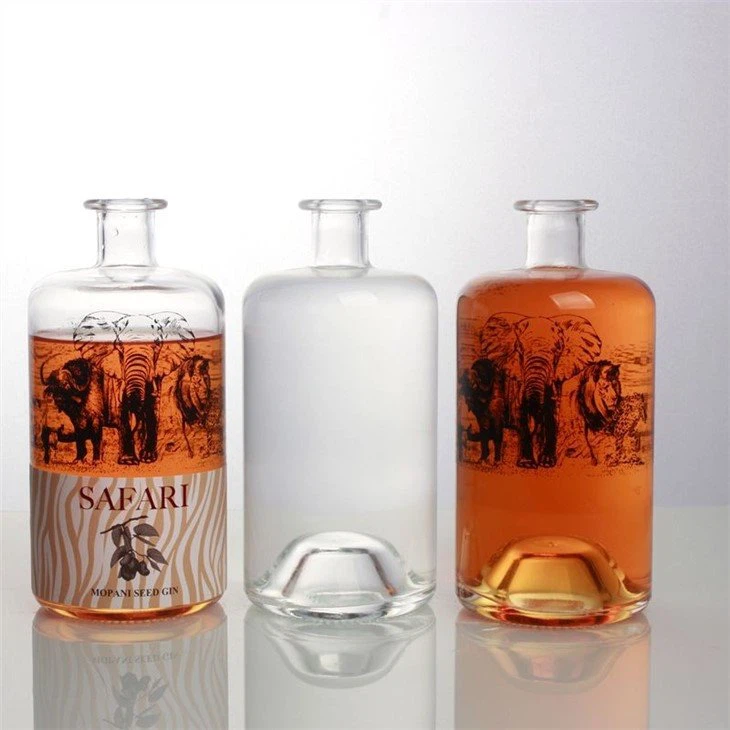
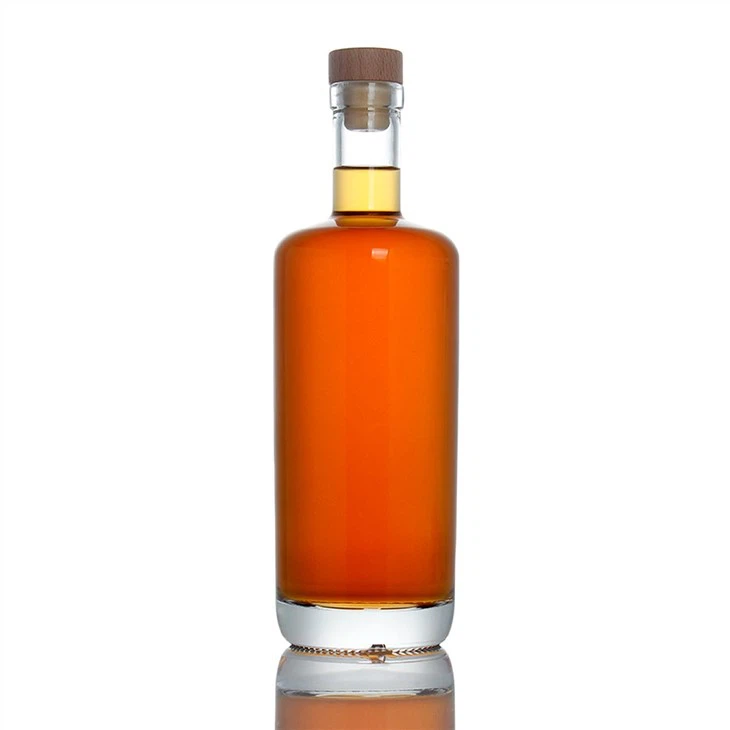
Another important raw material is the closure, such as a cork or a screw cap. Cork is a traditional choice for gin bottles, but it can be more expensive than screw caps. The cost of cork is influenced by factors such as the quality of the cork, the size of the bottle, and the demand for cork. Screw caps, on the other hand, are generally less expensive and offer a more convenient and reliable way to seal the bottle.
Manufacturing Process
The manufacturing process is another significant cost factor in gin bottle production. The process typically involves several steps, including melting the raw materials, forming the bottle, annealing, and finishing. Each step requires specialized equipment and skilled labor, which adds to the overall cost.
The melting process is energy-intensive and requires a large amount of heat to melt the raw materials into glass. The type of furnace used can also affect the cost, with more advanced furnaces typically being more expensive but also more efficient. The forming process involves shaping the molten glass into the desired bottle shape, which can be done using a variety of methods, such as blowing or molding. The cost of the forming process is influenced by factors such as the complexity of the bottle design, the size of the bottle, and the production volume.
Annealing is a crucial step in the manufacturing process that involves slowly cooling the glass to relieve internal stresses and prevent breakage. This process requires specialized equipment and can take several hours to complete. The cost of annealing is influenced by factors such as the size of the bottle, the thickness of the glass, and the annealing temperature.
Finishing is the final step in the manufacturing process that involves adding any additional features or decorations to the bottle, such as labels, embossing, or printing. The cost of finishing is influenced by factors such as the type of decoration, the complexity of the design, and the production volume.
Quality Control
Quality control is an essential part of the gin bottle production process to ensure that the bottles meet the required standards of quality and safety. This involves inspecting the bottles at various stages of the manufacturing process to check for defects, such as cracks, chips, or uneven thickness. The cost of quality control is influenced by factors such as the number of inspections, the type of inspection equipment used, and the level of quality required.
In addition to inspecting the bottles for defects, quality control also involves testing the bottles for various properties, such as strength, durability, and chemical resistance. This helps to ensure that the bottles are suitable for use with gin and other spirits and can withstand the rigors of transportation and storage. The cost of testing is influenced by factors such as the type of tests performed, the number of samples tested, and the cost of the testing equipment.
Packaging and Shipping
Once the gin bottles are manufactured and inspected, they need to be packaged and shipped to the customer. The cost of packaging and shipping is influenced by several factors, including the size and weight of the bottles, the type of packaging used, and the distance to the customer.
The packaging used for gin bottles is typically designed to protect the bottles during transportation and storage. This can include materials such as cardboard boxes, foam inserts, and shrink wrap. The cost of packaging is influenced by factors such as the type of packaging material used, the size and shape of the bottles, and the production volume.
Shipping is another significant cost factor in gin bottle production. The cost of shipping is influenced by factors such as the distance to the customer, the weight and volume of the shipment, and the shipping method used. Air freight is typically more expensive than sea freight but offers faster delivery times. The cost of shipping can also be affected by factors such as customs duties, taxes, and insurance.
Overhead Costs
In addition to the direct costs of raw materials, manufacturing, quality control, packaging, and shipping, there are also several overhead costs associated with gin bottle production. These include costs such as rent, utilities, salaries, and marketing.
Rent and utilities are the costs associated with renting the manufacturing facility and paying for electricity, water, and other utilities. These costs can vary depending on the location and size of the facility. Salaries are the costs associated with paying the employees who work in the manufacturing facility, including production workers, quality control inspectors, and administrative staff. The cost of salaries is influenced by factors such as the number of employees, their level of experience, and the local labor market.
Marketing is the cost associated with promoting the gin bottles and attracting customers. This can include activities such as advertising, trade shows, and public relations. The cost of marketing is influenced by factors such as the type of marketing activities used, the target market, and the competition.
Conclusion
In conclusion, the cost of producing a gin bottle is influenced by several factors, including raw materials, manufacturing process, quality control, packaging, shipping, and overhead costs. As a gin bottle supplier, it's important to carefully consider these factors when determining the price of the bottles. By understanding the cost drivers and optimizing the production process, it's possible to offer high-quality gin bottles at a competitive price.
If you're interested in purchasing gin bottles for your business, I'd be happy to discuss your requirements and provide you with a quote. Please feel free to contact me to start the procurement negotiation process. I look forward to working with you to meet your gin bottle needs.
References
- "Glass Manufacturing: A Comprehensive Guide." Glass Industry Magazine.
- "The Economics of Cork Production." Cork Association of America.
- "Quality Control in the Glass Industry." Quality Assurance Journal.
- "Packaging and Shipping Best Practices for Glass Bottles." Packaging Digest.
