Hey there! As a bottle cap supplier, I often get asked about what's actually in these little guys. You might think a bottle cap is just a simple piece of plastic or metal, but there's more to it than meets the eye. In this blog, I'm gonna break down the chemical composition of different types of bottle caps and why it matters.
Plastic Bottle Caps
Let's start with plastic bottle caps, which are super common. The most widely used plastic for bottle caps is polypropylene (PP). Polypropylene is a thermoplastic polymer made from propylene monomers. It's known for being lightweight, strong, and resistant to many chemicals.
One of the great things about polypropylene is its high melting point, which means it can withstand some heat without deforming. This is important because bottle caps might go through various processes during manufacturing and storage that involve some level of heat. Also, PP has good flexibility, which allows the cap to seal tightly on the bottle.
But it's not just pure polypropylene in there. Sometimes, additives are mixed in to enhance certain properties. For example, UV stabilizers are added to prevent the plastic from breaking down when exposed to sunlight. If you've ever seen a bottle cap that's been sitting outside for a long time and has started to get brittle, that's probably because it didn't have enough UV protection.
Another common additive is a colorant. You see bottle caps in all sorts of colors, and that's thanks to these colorants. They can be organic or inorganic pigments, depending on the desired color and the properties of the plastic. For instance, if you want a bright, long - lasting color, an inorganic pigment might be used.
Aluminum Bottle Caps
Now, let's talk about aluminum bottle caps. Aluminum is the main component, of course. It's a lightweight metal that's highly resistant to corrosion. This is a huge advantage when it comes to bottle caps because they need to keep the contents of the bottle fresh and protected from the outside environment.
Aluminum is obtained from bauxite ore through a process called the Bayer process, which extracts alumina from the ore, and then the Hall - Héroult process, which turns the alumina into aluminum metal. Once the aluminum is produced, it's shaped into bottle caps.
But aluminum bottle caps aren't just pure aluminum. They usually have a coating on the inside. This coating is often made of a polymer, like epoxy or phenolic resin. The purpose of this coating is to prevent the aluminum from reacting with the contents of the bottle. For example, if you have a carbonated beverage in the bottle, the acid in the drink could react with the aluminum and cause a metallic taste or even corrosion over time. The coating acts as a barrier between the aluminum and the liquid.
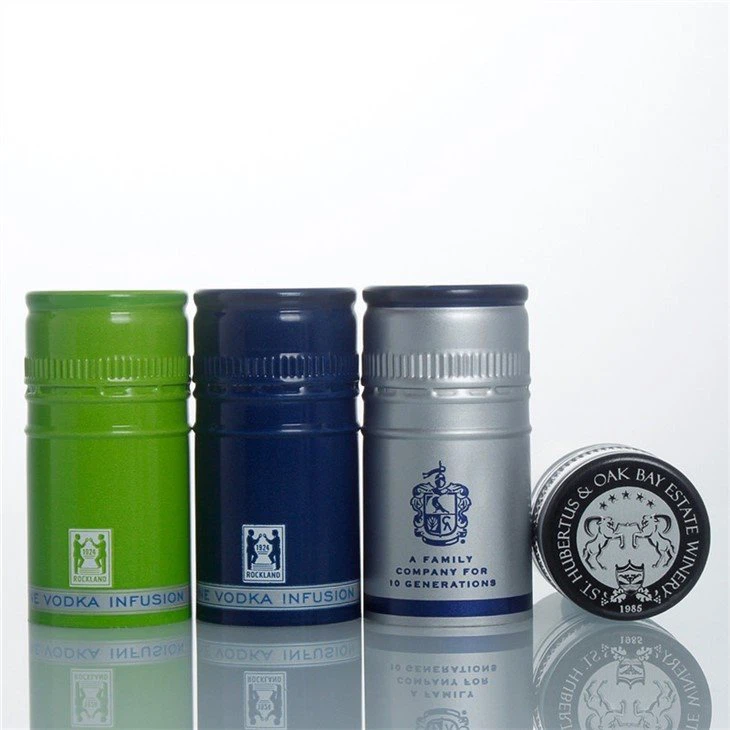
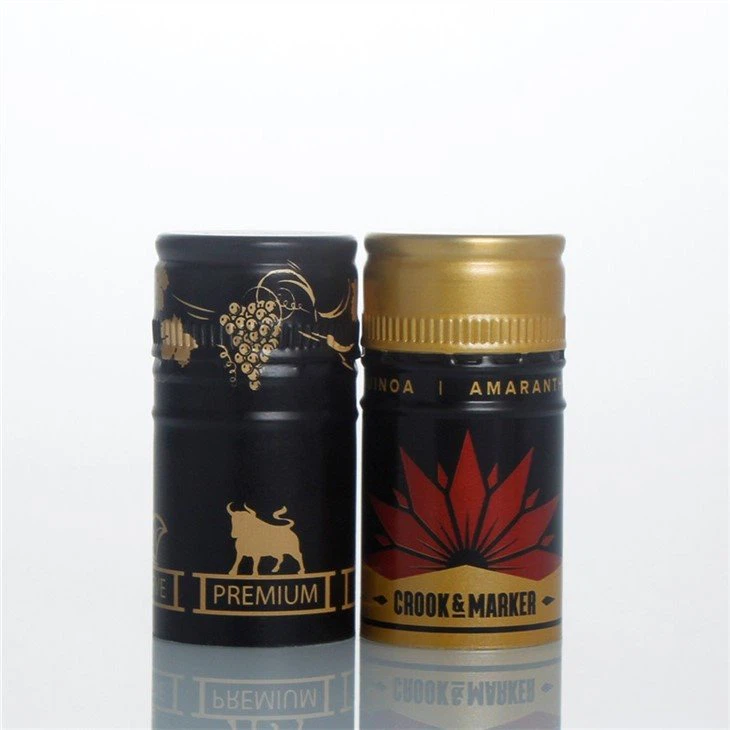
On the outside, aluminum bottle caps might also have a lacquer or a print. The lacquer provides an extra layer of protection against scratches and environmental factors, while the print is for branding and labeling purposes.
Rubber Liners
Many bottle caps, whether plastic or aluminum, have a rubber liner. The most common type of rubber used is butyl rubber. Butyl rubber is made by copolymerizing isobutylene with a small amount of isoprene. It has excellent gas and moisture barrier properties, which is crucial for keeping the contents of the bottle fresh.
Butyl rubber is also very resistant to chemicals and aging. It can maintain its elasticity over a long period, which means it can keep the bottle sealed tightly even after multiple openings and closings.
Just like with plastics, rubber liners can also have additives. Antioxidants are often added to prevent the rubber from oxidizing and becoming brittle. And sometimes, plasticizers are added to make the rubber more flexible.
Why Chemical Composition Matters
You might be wondering why all this talk about chemical composition is important. Well, for one thing, it affects the performance of the bottle cap. If the wrong type of plastic or metal is used, the cap might not seal properly, leading to leaks and spoilage of the product inside the bottle.
It also matters from a safety perspective. The materials used in bottle caps need to be food - grade, especially if the bottle contains a beverage or food item. This means they shouldn't leach any harmful chemicals into the product. For example, the coatings on aluminum bottle caps need to be carefully formulated to ensure they're safe for contact with food and drinks.
From a marketing point of view, the chemical composition can also influence the look and feel of the bottle cap. The color, texture, and durability of the cap can all be adjusted by changing the chemical composition. A well - designed bottle cap can enhance the overall appeal of the product on the shelf.
Our Product Range
As a bottle cap supplier, we offer a wide range of bottle caps to meet different needs. For example, we have the GPI 400/28 Aluminum Screw Cap. This cap is made of high - quality aluminum with a special coating to ensure a tight seal and prevent corrosion. It's perfect for a variety of products, from pharmaceuticals to chemicals.
We also have the 30*60mm Wine Aluminum Screw Cap. This cap is specifically designed for wine bottles. The aluminum provides a sleek and elegant look, while the inner coating protects the wine from any metallic taste. And our Wine Aluminum Screw Cap is another great option for winemakers who want a reliable and stylish bottle cap.
Contact Us for Procurement
If you're in the market for bottle caps, we'd love to hear from you. Whether you need a large quantity for a big - scale production or just a small sample to test out, we can help. Our team of experts can work with you to find the perfect bottle cap for your product, taking into account factors like chemical composition, design, and cost.
Don't hesitate to reach out to us for more information and to start the procurement process. We're here to make sure you get the best bottle caps for your needs.
References
- "Plastics Technology Handbook" by Howard S. Katz
- "Aluminum: Technology, Applications, and Environment" by J. A. Taylor
- "Rubber Technology: Compounding, Processing, and Testing of Rubber" by Michel J. Coran