As a food bottle supplier, I've witnessed firsthand the widespread use of these containers in the food industry. They come in various materials, including glass, plastic, and metal, each with its own set of advantages. However, it's important to also shed light on the disadvantages that come with using food bottles. Understanding these drawbacks can help businesses and consumers make more informed decisions about their packaging choices.
Environmental Impact
One of the most significant disadvantages of using food bottles is their environmental impact. Many food bottles, especially those made of plastic, are single - use items. Once they've served their purpose, they often end up in landfills, where they can take hundreds of years to decompose. Plastic bottles can also find their way into the ocean, posing a serious threat to marine life. Animals may mistake the plastic for food, leading to ingestion and entanglement, which can be fatal.
Even glass bottles, while recyclable, have a high environmental cost in their production. The manufacturing process requires a large amount of energy, contributing to greenhouse gas emissions. Although recycling can reduce the need for new raw materials, not all glass is recycled. Inefficient recycling systems mean that a significant portion of glass bottles still end up in landfills.
Cost
The cost of using food bottles can be a disadvantage for both suppliers and consumers. High - quality glass bottles, such as the Olive Oil Glass Bottle, can be expensive to produce. The cost is not only in the raw materials but also in the manufacturing process, which involves heating the glass to high temperatures. For suppliers, this cost is often passed on to consumers, making products in glass bottles more expensive compared to those in other types of packaging.
Plastic bottles are generally cheaper than glass, but they also have their own cost - related issues. Plastic resins can be subject to price fluctuations based on the global oil market. When oil prices rise, the cost of producing plastic bottles increases, which can also impact the final price of the food product.
Breakage and Fragility
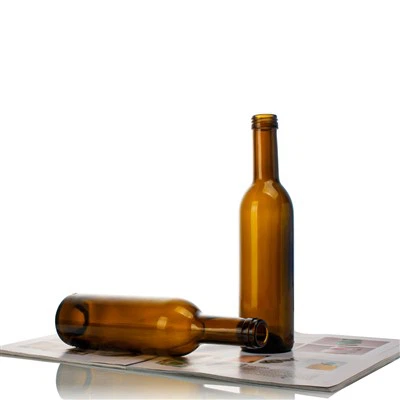
Glass food bottles, like the Multi - Size Brown Olive Oil Glass Bottle, are fragile and prone to breakage. This can be a major problem during transportation and handling. A single dropped glass bottle can not only result in the loss of the food product but also pose a safety hazard due to the broken glass. Special packaging and handling procedures are required to minimize the risk of breakage, which adds to the overall cost.
Plastic bottles are more durable than glass, but they can still be damaged. They can crack or puncture, especially if they are exposed to sharp objects or extreme temperatures. A damaged plastic bottle can lead to leaks, spoiling the food inside and creating a mess.
Chemical Leaching
Another concern when using food bottles is the potential for chemical leaching. Some plastics contain chemicals such as bisphenol A (BPA) and phthalates. BPA has been linked to various health problems, including hormonal imbalances and developmental issues. When plastic bottles are exposed to heat or acidic foods, these chemicals can leach into the food, posing a health risk to consumers.
Even some types of glass bottles can have issues with chemical leaching. If the glass is not properly treated or if it contains certain impurities, trace amounts of heavy metals or other harmful substances could potentially leach into the food over time.
Limited Shelf - Life for Some Products
The type of food bottle used can affect the shelf - life of the product. For example, clear glass bottles do not provide adequate protection against light. Light can cause oxidation in food products, especially those that are sensitive to it, such as olive oil. Oxidation can lead to changes in taste, color, and nutritional value, reducing the quality and shelf - life of the product.
The Olive Oil Bottle needs to protect the oil from light, oxygen, and heat to maintain its quality. If the bottle is not designed properly, the olive oil can go rancid more quickly, resulting in a shorter shelf - life.


Design and Functionality Limitations
Food bottles may also have design and functionality limitations. Some bottles are difficult to open, which can be a problem for consumers, especially those with limited hand strength. Additionally, the shape and size of the bottle can affect how easily the food can be dispensed. For example, a narrow - necked bottle may make it difficult to pour thick liquids or remove food items.
The labeling on food bottles can also be a limitation. In some cases, the labels may be too small or hard to read, which can make it difficult for consumers to access important information such as ingredients, nutritional facts, and expiration dates.
Hygiene Concerns
Maintaining hygiene in food bottles can be a challenge. The shape of some bottles may make them difficult to clean thoroughly, especially in hard - to - reach areas. Residue from the previous contents can accumulate in these areas, providing a breeding ground for bacteria and other microorganisms. This can lead to spoilage of the new food product and potential health risks to consumers.
Even if the bottle is properly cleaned, it can still be contaminated during filling or storage. If the manufacturing environment is not clean or if proper handling procedures are not followed, the food inside the bottle can be exposed to harmful pathogens.
Market Perception
In some cases, the use of food bottles can have a negative impact on market perception. Some consumers are becoming more environmentally conscious and may avoid products that come in single - use plastic bottles. They may perceive these products as less sustainable and less environmentally friendly compared to those in other types of packaging.
Similarly, the use of certain types of bottles may give the impression that a product is of lower quality. For example, a product in a flimsy plastic bottle may be perceived as being of lower value than one in a more substantial glass bottle.
Despite these disadvantages, food bottles still have their place in the food industry. They offer convenience, protection, and visibility for food products. At our company, we are constantly working on solutions to mitigate these drawbacks. We are exploring more sustainable materials, improving bottle designs for better functionality and hygiene, and finding ways to reduce the environmental impact of our products.
If you're interested in learning more about our food bottles or wish to discuss potential procurement opportunities, we're here to assist you. We can provide more detailed information on our products and how we're addressing the challenges associated with food bottle use. You're welcome to reach out and start a conversation about your specific needs.
References
- Dunphy, C. (2019). The Environmental Impact of Plastic Packaging. Journal of Sustainable Materials and Recycling.
- Smith, J. (2020). Chemical Leaching in Food Packaging. Food Science and Technology Review.
- Johnson, R. (2021). Shelf - Life Considerations in Food Packaging Design. Packaging Innovation Journal.