Hey there, fellow liquor enthusiasts! As a liquor bottle supplier, I've seen it all when it comes to storing these precious vessels of liquid gold. And let me tell you, there are some common mistakes that can really mess up your booze. So, let's dive in and talk about what you should avoid when storing your liquor bottles.
1. Ignoring the Temperature
One of the biggest no - no's is not paying attention to the temperature. Liquor is sensitive to heat and cold. If you store your bottles in a place that's too hot, like near a radiator or in direct sunlight, the alcohol can start to evaporate. This not only changes the volume of the liquor but also alters its flavor. The heat can speed up the chemical reactions in the liquor, causing it to age too quickly and lose its original taste.
On the flip side, storing liquor in extremely cold temperatures isn't good either. While most liquors won't freeze (thanks to their high alcohol content), the cold can make the flavors less pronounced. For example, if you keep your whiskey in a freezer for a long time, it might taste a bit flat when you take it out.
The ideal temperature for storing most liquors is between 50°F and 60°F (10°C and 15.5°C). A cool, dark cellar or a closet away from heat sources is a great spot. Some people even use wine coolers to store their liquors, which can maintain a consistent temperature.
2. Incorrect Humidity Levels
Humidity is another factor that's often overlooked. If the air is too dry, the cork in your liquor bottle can dry out and shrink. This allows air to seep into the bottle, which can oxidize the liquor. Oxidation can turn your smooth, flavorful liquor into something that tastes like cardboard.
On the other hand, if the humidity is too high, mold can grow on the bottle and the cork. This not only looks bad but can also affect the taste of the liquor if the mold somehow gets inside.
A humidity level of around 60% to 70% is ideal for storing liquor bottles. You can use a hygrometer to measure the humidity in your storage area. If it's too dry, you can place a small bowl of water in the room. If it's too humid, a dehumidifier can do the trick.
3. Storing Bottles Upright for Too Long
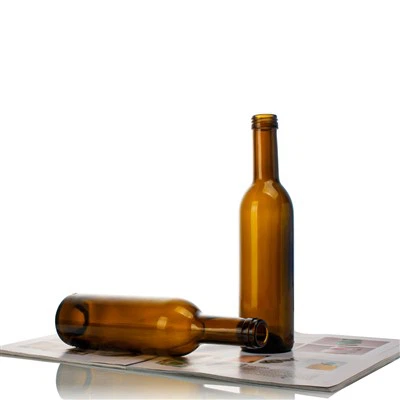
Many people think that storing liquor bottles upright is the best way to go. While it's true that some liquors, like vodka and gin, can be stored upright without any issues, others, especially those with natural corks, should be stored on their sides.
When a bottle is stored on its side, the liquor keeps the cork moist. A moist cork forms a better seal, preventing air from getting in. If you store a bottle with a natural cork upright for a long time, the cork can dry out and lose its ability to seal the bottle properly.
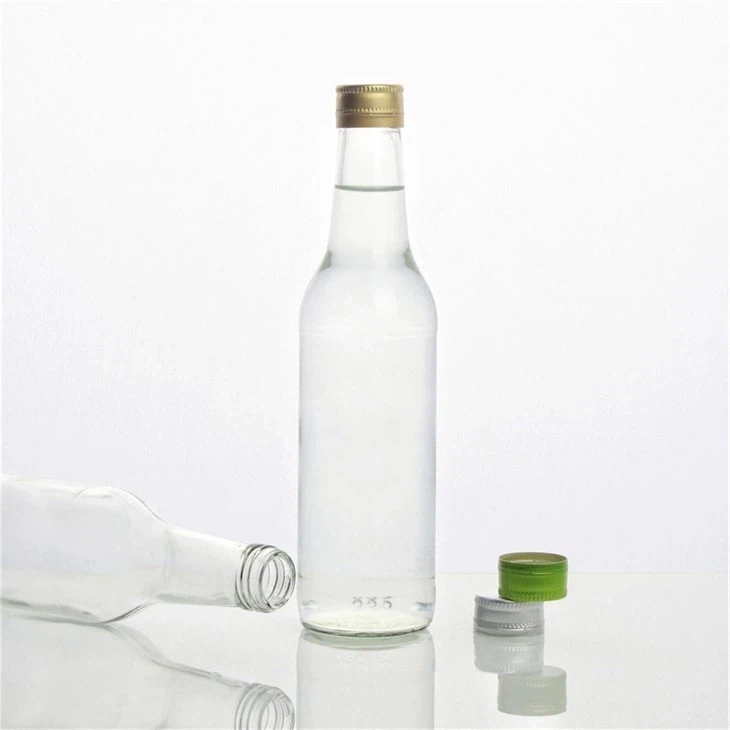
However, if you have a bottle with a screw - cap or a synthetic cork, it can usually be stored upright without any problems. So, check the type of closure on your bottle before deciding how to store it.
4. Not Protecting from Light
Light, especially sunlight and fluorescent light, can be a liquor's worst enemy. UV rays can break down the chemical compounds in the liquor, causing it to lose its color, flavor, and aroma. This is known as light - struck flavor.


Clear glass bottles are particularly vulnerable to light damage. That's why many high - end liquors come in dark - colored bottles, like brown or green glass, which offer some protection from light.
If you have clear glass bottles, store them in a place where they won't be exposed to light. You can also use opaque covers or store them in a dark cabinet. For example, our 4L California Style Beer Bottle looks great, but it's important to keep it away from light to preserve the liquor inside.
5. Mixing Different Types of Liquors in Storage
It might seem like a good idea to save space by storing all your liquors together, but mixing different types of liquors can be a mistake. Different liquors have different storage requirements. For example, fortified wines like sherry and port need to be stored differently from spirits like whiskey and rum.
Fortified wines are more sensitive to oxidation and should be consumed within a few weeks after opening. Spirits, on the other hand, can last much longer once opened. If you store them together, you might end up forgetting about the fortified wines and letting them go bad.
It's a good idea to group your liquors by type and store them separately. This way, you can keep track of their storage needs and expiration dates.
6. Overcrowding the Storage Area
Stuffing too many liquor bottles into a small space is a common mistake. When bottles are overcrowded, they can knock into each other, which can damage the labels or even break the bottles. Also, overcrowding can restrict air circulation, which can lead to uneven temperature and humidity levels.
Make sure you have enough space for your liquor bottles. Leave some room between the bottles so that air can flow freely. This will help maintain a consistent environment for your liquors.
7. Not Checking the Seals Regularly
Even if you've stored your liquor bottles correctly, the seals can still fail over time. A loose cork or a faulty screw - cap can allow air to get into the bottle. That's why it's important to check the seals on your liquor bottles regularly.
If you notice that a cork is loose or a cap is not tight, you can try to fix it. For a loose cork, you can gently push it back in. If the cap is loose, tighten it up. If the seal is completely broken, you might need to transfer the liquor to a new bottle with a proper seal.
8. Storing Opened Bottles Indefinitely
Once you open a liquor bottle, the clock starts ticking. While spirits like vodka, gin, and whiskey can last a long time after opening, they will still gradually lose their flavor and quality. Fortified wines and liqueurs are even more perishable.
As a general rule, it's best to consume an opened bottle of liquor within a few months to a year, depending on the type. If you have a large bottle, like our 3L 6L 12L 15L 24L Large Capacity Glass Bottles, and you don't think you'll finish it quickly, you might want to consider decanting it into smaller bottles to reduce the amount of air in contact with the liquor.
9. Using the Wrong Storage Containers
Not all containers are suitable for storing liquor. If you transfer your liquor to a container that's not airtight or is made of a material that can react with the liquor, you're asking for trouble.
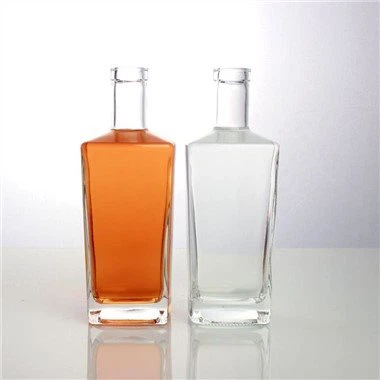
For example, plastic containers are generally not a good choice for long - term liquor storage. Some plastics can leach chemicals into the liquor, which can affect its taste and safety. Glass is the best material for storing liquor because it's inert and airtight. Our 700ml Brandy Glass Bottle is a great option for storing brandy and other liquors because it's made of high - quality glass.
10. Forgetting about the Age of the Liquor
The age of the liquor also matters when it comes to storage. Older liquors are often more delicate and require more careful storage. They have already gone through a long aging process, and improper storage can quickly ruin their complex flavors.
If you have an old, rare bottle of liquor, it's a good idea to store it in a more controlled environment. You might even want to consider using a professional storage facility that specializes in high - end spirits.
In conclusion, storing liquor bottles properly is crucial if you want to enjoy their full flavor and quality. By avoiding these common mistakes, you can ensure that your liquors stay in top condition for as long as possible.
If you're in the market for high - quality liquor bottles, we've got you covered. We offer a wide range of bottles, from the 4L California Style Beer Bottle to the 700ml Brandy Glass Bottle and the 3L 6L 12L 15L 24L Large Capacity Glass Bottles. If you're interested in purchasing our products, feel free to reach out to us for a quote and start a conversation about your specific needs.
References
- "The Complete Guide to Storing Spirits" by Dave Broom
- "Wine and Spirits Storage: Best Practices" by The Wine Enthusiast Magazine