Tequila is a beloved spirit with a rich history and a distinctive flavor profile. As a tequila bottle supplier, I've encountered numerous questions from customers about the longevity of opened tequila bottles. This topic is crucial not only for consumers but also for businesses in the beverage industry. In this blog post, I'll delve into the factors affecting the shelf - life of an opened tequila bottle and provide some practical tips to make the most out of your tequila experience.
Factors Affecting the Shelf - Life of Opened Tequila
-
Tequila Type
There are different types of tequila, such as blanco (silver), reposado (aged), and añejo (extra - aged). Blanco tequila is typically unaged or aged for a short time (less than two months). It has a pure, fresh agave flavor. Since it has less aging, the impact of oxidation might be less noticeable compared to aged tequilas.
Reposado and añejo tequilas are aged in oak barrels, which gives them complex flavors and a smoother finish. However, once opened, these aged tequilas are more prone to changes in flavor because the aging process has developed delicate flavor compounds that can be affected by oxygen. The longer the aging, the more pronounced these flavor changes may be. -
Storage Conditions
The way you store an opened tequila bottle significantly affects its shelf - life. Temperature plays a key role. Tequila should be stored in a cool, dark place. High temperatures can accelerate the chemical reactions that occur when tequila is exposed to oxygen, leading to a quicker degradation of flavor. A room temperature of around 60 - 65°F (15 - 18°C) is ideal.
Exposure to light, especially sunlight, can also be detrimental. Ultraviolet rays in sunlight can break down the chemical compounds in tequila, causing it to lose its flavor and aroma. Therefore, it's best to keep opened tequila bottles away from windows or in a cabinet.
Humidity can also impact the bottle's seal. If the storage area is too humid, it can cause the cork or cap to swell or deteriorate, allowing more oxygen to enter the bottle. On the other hand, extremely dry conditions can cause the cork to shrink, also facilitating oxygen ingress.

-
Bottle Design and Seal
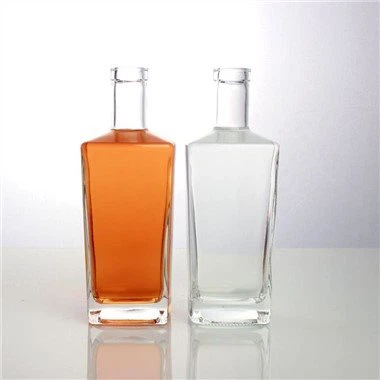
The quality of the bottle and its seal is important. A tight - fitting cap or cork helps to minimize the entry of oxygen. As a tequila bottle supplier, we offer a variety of high - quality bottles that are designed to preserve the tequila inside. For example, our 750ml Heavy Tequila Glass Bottle is made from thick glass, which provides better insulation and protection. The caps are engineered to form a secure seal, reducing the chances of oxygen getting in.
Our Frosted Tequila Glass Bottle not only looks elegant but also offers good protection. The frosted finish can help to block some of the light, adding an extra layer of protection for the tequila. And the 750ml Frosted Tequila Glass Bottle combines both the standard 750ml size and the frosted design benefits.
General Rules for Shelf - Life
Generally speaking, an opened bottle of tequila can last a few years if stored properly. However, its flavor will gradually change over time.
- Blanco Tequila: An opened bottle of blanco tequila can maintain its quality for about 1 - 2 years under optimal storage conditions. The fresh, agave - forward flavors may start to fade after a year, but it can still be drinkable.
- Reposado Tequila: For reposado tequila, the flavor may start to change more noticeably after 6 months to 1 year. The smoothness and complexity developed during aging can be affected by oxidation, but it can still be consumed for up to 1.5 - 2 years.
- Añejo Tequila: Añejo tequila is the most sensitive to oxygen. The delicate flavors and aromas created by long - term aging can start to degrade within 3 - 6 months. However, it can still be palatable for up to 1 - 1.5 years.
Tips to Extend the Shelf - Life
- Keep the Bottle Sealed Tightly
Always make sure the cap or cork is properly fitted and tightened after each use. This simple step can significantly reduce the amount of oxygen that enters the bottle. - Minimize Air Inside the Bottle
If the tequila level in the bottle is low, you can transfer it to a smaller bottle to reduce the amount of air space. Less air means less oxygen available for oxidation. - Use a Vacuum Sealer
There are vacuum sealers available in the market that can remove the air from the bottle. This can be an effective way to slow down the oxidation process and extend the shelf - life of the tequila.
Impact on the Business
As a tequila bottle supplier, understanding the shelf - life of opened tequila is beneficial for both our customers and us. For consumers, providing them with information on how to store tequila properly can enhance their overall tequila - drinking experience. They are more likely to be satisfied with their purchase and return for more.
For businesses in the tequila industry, such as bars and restaurants, understanding tequila shelf - life can help with inventory management. They can ensure that they are serving high - quality tequila to their customers and avoid waste due to spoiled tequila.
Conclusion
In conclusion, the shelf - life of an opened tequila bottle depends on various factors, including the type of tequila, storage conditions, and bottle design. By following the tips mentioned above, consumers can enjoy their tequila for a longer time while maintaining its flavor and quality.
As a tequila bottle supplier, we are committed to providing high - quality bottles that contribute to the preservation of tequila. The bottles we offer, such as the 750ml Heavy Tequila Glass Bottle, Frosted Tequila Glass Bottle, and 750ml Frosted Tequila Glass Bottle, are designed with the needs of tequila preservation in mind.
If you are in the business of producing, selling, or serving tequila, and you are interested in sourcing high - quality tequila bottles for your products, we invite you to contact us for further discussion on procurement and potential partnerships. We look forward to working with you to enhance the presentation and preservation of your tequila.
References
- "Tequila: The Natural History of Mexico's Fiery Water" by Stephen Hackel
- "The Oxford Companion to Spirits and Cocktails" by David Wondrich