As a gin bottle supplier, I often get asked about the best ways to remove labels from gin bottles. Whether you're a home crafter looking to reuse the bottles or a business aiming to repurpose them, removing labels cleanly can be a bit of a challenge. In this blog post, I'll share some effective methods that I've found useful over the years.
Why Remove Labels from Gin Bottles?
There are several reasons why someone might want to remove the label from a gin bottle. For individuals, it could be for DIY projects such as creating homemade candles, flower vases, or decorative items. Reusing gin bottles not only adds a unique touch to your creations but also helps reduce waste. For businesses, removing labels might be necessary when repackaging products or when the bottles are being recycled.
Different Types of Gin Bottles We Supply
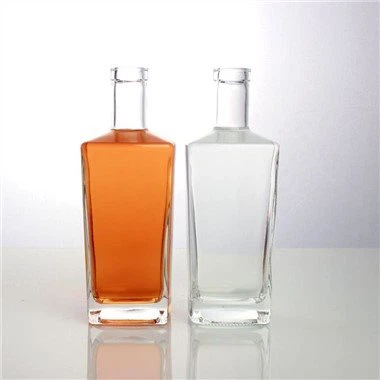
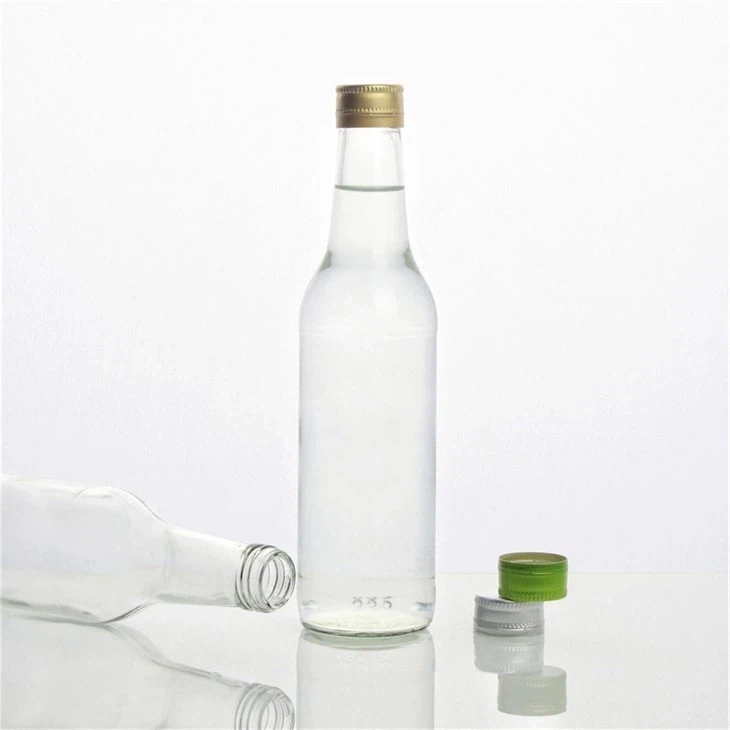
Before we dive into the label - removing methods, let me briefly introduce some of the gin bottles we offer. We have the 700ml Heavy Extra Flint Spirit Glass Bottle, which is a sturdy and high - quality option. Its heavy flint glass gives it a premium look and feel. The 500ML Gin Glass Bottle is another popular choice, ideal for those who prefer a smaller volume. And the Super Flint Gin Glass Bottle stands out with its super flint glass, which provides excellent clarity.
Methods for Removing Labels
1. Soaking in Warm, Soapy Water
This is one of the most common and straightforward methods. Fill a sink or a large container with warm water and add a few drops of dish soap. The warm water helps to loosen the adhesive on the label, while the soap acts as a lubricant.
- Steps:
- First, remove as much of the paper label as you can by hand. This will make the soaking process more effective.
- Place the gin bottle in the soapy water and let it soak for at least 30 minutes. You can leave it for longer, up to a few hours, depending on how stubborn the label is.
- After soaking, use a sponge or a soft cloth to gently rub the label. The label should start to come off easily. If there are any remaining adhesive residues, you can use a bit of rubbing alcohol on a cloth to wipe them away.
2. Using Steam
Steam is another great way to loosen the adhesive on the label. You can use a steam cleaner or even a kettle with a spout.
- Steps:
- Boil water in a kettle. Hold the gin bottle near the spout of the kettle so that the steam hits the label. Be careful not to get too close to avoid burns.
- As the steam penetrates the label and the adhesive, start peeling the label off slowly. You may need to re - steam the bottle in areas where the label is still stuck.
- Once the label is removed, use a damp cloth to wipe away any remaining adhesive. You can also use a mixture of equal parts vinegar and water to clean the bottle and remove any sticky residue.
3. Applying Heat with a Hairdryer
A hairdryer can be an effective tool for removing labels. The heat from the hairdryer softens the adhesive, making it easier to peel off the label.
- Steps:
- Set the hairdryer to a medium - high heat setting. Hold the hairdryer about 2 - 3 inches away from the label and move it back and forth evenly.
- As the label heats up, start peeling it off from one corner. If the label starts to tear, stop peeling and apply more heat to the area until it becomes more pliable.
- After removing the label, use a cotton ball soaked in nail polish remover or rubbing alcohol to clean the remaining adhesive from the bottle.
4. Freezing
Freezing can also be used to remove labels, especially if the adhesive is particularly strong.


- Steps:
- Place the gin bottle in the freezer for a few hours. The cold temperature causes the adhesive to contract and lose its stickiness.
- Take the bottle out of the freezer and immediately start peeling the label off. You may need to use a plastic scraper to help lift the edges of the label.
- Once the label is removed, let the bottle come to room temperature. Then, use a warm, soapy cloth to clean the bottle and remove any remaining adhesive.
Tips for a Clean Removal
- Be Gentle: When using any of these methods, be gentle with the bottle to avoid scratching it. A scratched bottle may not be suitable for reuse or repackaging.
- Test on a Small Area: If you're using a new cleaning agent or method, test it on a small, inconspicuous area of the bottle first to make sure it doesn't damage the glass.
- Patience is Key: Some labels may be more stubborn than others. Don't rush the process; take your time to ensure a clean and complete removal.
Conclusion
Removing labels from gin bottles can be a simple process if you use the right methods. Whether you choose to soak the bottle in warm, soapy water, use steam, apply heat with a hairdryer, or freeze the bottle, each method has its own advantages. As a gin bottle supplier, I understand the importance of having clean and reusable bottles. If you're interested in purchasing high - quality gin bottles from us, we'd love to hear from you. Feel free to reach out to discuss your requirements and start a procurement negotiation.
References
- "The Complete Guide to Bottle Recycling and Reuse", Green Living Magazine
- "DIY Bottle Projects: Transforming Old Bottles into New Treasures", Crafting Today