As a beverage bottle supplier, one of the common concerns I often hear from clients is how to protect the beverages inside the bottles against UV light. UV light can have a negative impact on the quality and taste of drinks, leading businesses to seek effective solutions. In this blog post, I'll share some insights into how different types of beverage bottles protect against UV light.
Why Protect Against UV Light?
UV light is part of the sun's radiation. When it hits beverages, it can cause several problems. For example, it can break down the chemical compounds in the drink. This is especially true for drinks like milk and fruit juices, which are rich in vitamins and other nutrients. When these compounds break down, the nutritional value of the drink decreases. Also, UV light can lead to the formation of off - flavors and odors. No one wants to buy a drink that tastes or smells bad, right?
Types of Beverage Bottles and Their UV Protection
Glass Bottles
Glass is a popular choice for beverage packaging, and it offers some level of UV protection. There are different types of glass bottles, and each has its own characteristics in terms of blocking UV light.
-
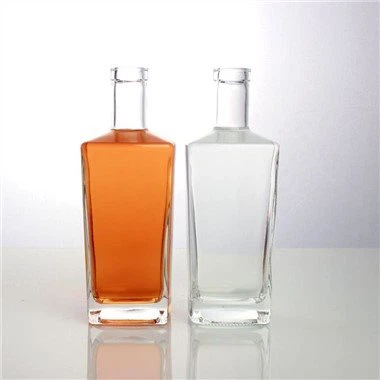
Clear Glass Bottles: Clear glass bottles are the most common ones. They look great on the shelf, allowing customers to see the product inside. However, clear glass doesn't provide much protection against UV light. UV rays can easily pass through it and reach the drink. This might be fine for some beverages that aren't very sensitive to UV light, like carbonated soft drinks. But for light - sensitive drinks, clear glass isn't the best option. You can check out our Glass Milk Bottle With Lid. Although it's made of glass, it's best to keep it away from direct sunlight to protect the milk inside.
-
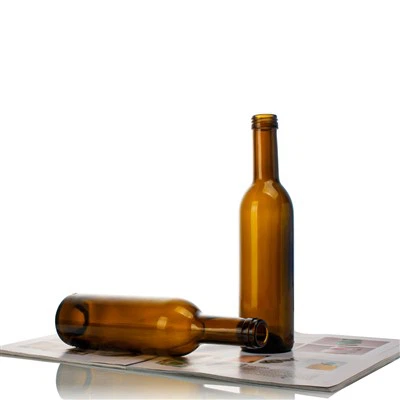
Tinted Glass Bottles: Tinted glass bottles are a much better choice when it comes to UV protection. The tint in the glass can absorb and block a significant amount of UV light. Darker tints offer more protection. For example, amber - colored glass is often used for packaging beer. It does a great job of keeping out UV light, which helps preserve the flavor and quality of the beer. The tint acts like a shield, preventing the UV rays from reaching the beverage inside.
Plastic Bottles
Plastic bottles are also widely used in the beverage industry. There are different types of plastics, and their ability to protect against UV light varies.
-
PET Bottles: PET (Polyethylene terephthalate) is a common plastic used for beverage bottles. Regular PET bottles are transparent, and they don't block UV light well. However, some manufacturers add UV - blocking additives to the PET resin during the manufacturing process. These additives can absorb or reflect UV light, providing some protection for the beverage. For instance, if you're packaging a sports drink that contains vitamins and other sensitive ingredients, a PET bottle with UV - blocking additives can be a good option.
-
HDPE Bottles: HDPE (High - Density Polyethylene) bottles are more opaque than PET bottles. They naturally block more UV light. HDPE is often used for milk and other dairy products. The opacity of the HDPE bottle helps to keep out a large portion of the UV rays, protecting the milk from spoiling due to UV exposure. You can take a look at our Small Milk Bottle, which is made of HDPE and provides decent UV protection for the milk.
Bottles with Special Features
-
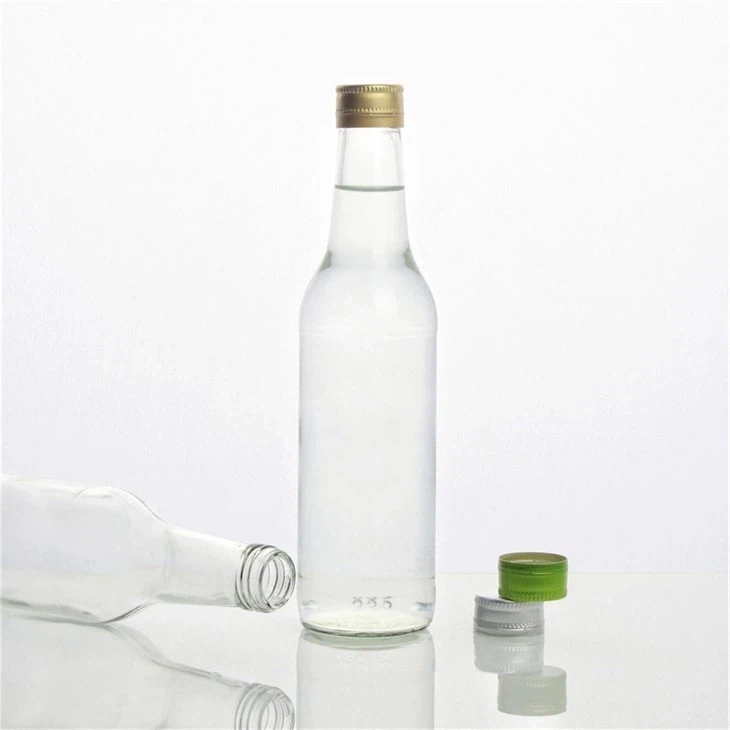
Aluminum Caps and Lids: Some bottles come with aluminum caps or lids. Aluminum is a great reflector of UV light. For example, our Transparent Beverage Bottles With Aluminum Cap use the aluminum cap to reflect UV rays away from the bottle opening. Even though the bottle itself might be transparent, the aluminum cap adds an extra layer of protection.
-
UV - Resistant Coatings: Another way to enhance UV protection is by applying a UV - resistant coating to the bottle. This coating can be applied to both glass and plastic bottles. It acts as a barrier, absorbing and blocking UV light. The coating is usually thin and doesn't affect the appearance or functionality of the bottle.
Factors Affecting UV Protection
- Thickness of the Bottle Material: Generally, the thicker the bottle material, the more UV light it can block. For example, a thicker glass bottle will provide better UV protection than a thinner one. The same goes for plastic bottles. A thicker HDPE bottle will be more effective at blocking UV rays than a thinner one.
- Quality of UV - Blocking Additives or Coatings: If the bottle uses UV - blocking additives or coatings, the quality of these substances matters. High - quality additives or coatings will provide better UV protection. It's important to choose a supplier who uses reliable and effective UV - blocking materials.
Practical Tips for Storing Beverage Bottles
Even with good UV - protection in the bottles, proper storage is still important. You should store the bottles in a cool, dark place. Keep them away from windows and direct sunlight. If you're displaying the bottles in a store, use UV - blocking film on the windows or in the display cases.
Conclusion
Protecting beverages from UV light is crucial to maintaining their quality and taste. Different types of beverage bottles offer different levels of UV protection, and there are also various ways to enhance this protection, such as using special caps, coatings, and additives. As a beverage bottle supplier, I'm committed to providing high - quality bottles that meet your UV - protection needs.
If you're in the market for beverage bottles and want to discuss your specific requirements, feel free to reach out. We can have a detailed chat about the best bottle options for your products. Whether you need small milk bottles, transparent bottles with aluminum caps, or glass milk bottles with lids, we've got you covered.


References
- McLaughlin, J. R., & Breene, W. M. (1990). Influence of packaging on flavor stability of foods. CRC Critical Reviews in Food Science and Nutrition, 29(5), 371 - 406.
- Bunselmeyer, M. R., & Labuza, T. P. (1993). Effects of light on the quality of food products and packaging systems. Food Technology, 47(4), 105 - 110, 114 - 116.